Car storage means parking and protecting your vehicle in a dedicated space, such as an enclosed storage unit, indoor car storage, or covered parking, for an extended period—weeks, months, or seasons. Proper vehicle storage starts with cleaning your car, choosing the right storage unit or parking option, and protecting against sun damage, weather, and mechanical problems. Indoor car storage and enclosed storage units offer the highest protection, while covered parking and outdoor parking also accommodate vehicles, from cars to RVs, depending on your needs.
Securing a safe storage space is just the start. Preparation is essential to preserve your vehicle’s paint, interior, and mechanical condition. Cleaning eliminates salt, moisture, and dirt that can cause odors or damage over time. Following best practices for car storage ensures your vehicle stays in top shape until you’re ready to drive it again.
Drivers using vehicle storage include daily commuters, classic cars, seasonal vehicles, SUVs, trucks, motorcycles, RVs, campers, trailers, boats, and all-terrain vehicles (ATVs). Harsh weather, road grime, rain, and bird droppings can degrade surfaces quickly if cars are not correctly stored in an enclosed unit, indoor facility, or covered parking spot.
By understanding your car storage options and preparing carefully, you can help guarantee your vehicle will look and perform as good as the day you parked it.
Key Takeaways
- Start car storage with a full cleaning, inside and out.
- Leftover dirt, salt, grime, pollen, or bird droppings can cause permanent paint damage.
- Indoor car storage or an enclosed storage unit offers maximum protection, but covered parking and outdoor storage options can work when done right.
- Enclosed units, garages, or covered parking spaces also defend your vehicle against sun damage and rain.
- Larger vehicles—such as RVs, boats, trailers, or ATVs—often require specialty RV storage with accessible, oversized parking.
- Inspect your battery, tires, and fluids, and protect your paint before storing your vehicle.
- Reserve online to secure a unit or parking space at high-demand locations.

What Is Car Storage and Who Needs It?
Car storage is securely parking your vehicle for an extended period in a storage unit, garage, or designated parking area to protect it from the elements and potential damage. Storing cars, trucks, motorcycles, RVs, and trailers helps prevent sun damage, battery drain, and weather-related wear. Anyone going away for a season, owning more vehicles than garage space, or needing RV storage benefits from these storage options.
Typical Vehicles Needing Storage:
- Seasonal vehicles and convertibles
- Classic cars
- Spare household cars, SUVs, or large vehicles
- Student vehicles
- Work trucks and commercial vans
- Motorcycles and all-terrain vehicles (ATVs)
- Recreational vehicles (RVs) and campers
- Boats and trailers of all sizes
- Vehicles left unused during long travel or deployment
Short-term vs. Long-term Storage: Short-term storage covers a few weeks, while long term storage lasts several months or a season. More preparation is needed for long-term car storage or when using uncovered parking spaces.
Car storage is the practice of safely parking and protecting your car, truck, RV, or other vehicle in a purpose-built storage unit, indoor car storage space, or covered parking spot for weeks or months to avoid sun damage, weather, and mechanical issues.
“The vehicle’s condition when it goes into storage matters as much as the storage space. Dirt, salt, and moisture left behind can cause lasting problems.” – Fusion Car Wash team
Why Is Cleaning Important Before Vehicle Storage?
Cleaning your car, truck, or RV is the essential first step before any type of vehicle storage—especially for long-term or outdoor parking. Unremoved dirt, salt, or debris can result in corrosion, mold, and permanent sun damage if the car is stored in direct sunlight or an outdoor storage unit.
Key Reasons to Clean Before Storage:
- Road salt corrodes paint and undercarriages—especially after winter driving.
- Dirt, bird droppings, sap, and bugs can stain and etch paint, risking permanent sun damage in uncovered parking.
- Moisture inside leads to mold and unpleasant odors, especially in enclosed storage units without ventilation.
- Food crumbs attract rodents, which can damage wiring and upholstery.
- Pollen and dust settle into crevices, making later cleaning harder.
- Clean surfaces make it easier to spot dents or scratches before storing.
Always wash your car thoroughly before storage to minimize sun damage, mold, odors, and permanent stains, particularly important for vehicles in uncovered parking spaces or outdoor storage.
“We help customers get their vehicles clean and protected before storage, so they aren’t locking in a season’s worth of grime,” says the Fusion Car Wash team.
Why Is Indoor Car Storage the Best Protection?
Indoor car storage in an enclosed storage unit or climate-controlled facility provides the best protection for cars, SUVs, motorcycles, and collectible vehicles. This form of vehicle storage shields your car completely from weather, direct sunlight, and the elements, reducing the risk of sun damage and rain exposure.
Benefits of Indoor Car Storage:
- Prevents damage from rain, snow, hail, and windblown debris
- Blocks UV rays—reducing sun damage and interior fading
- Keeps tires, trim, and dashboards safe from heat and sun
- Reduces temperature swings and makes it easier to accommodate vehicles of any size
- Increases security with gated access and limited facility entry
Indoor storage units or garages are ideal for classic cars, valuable vehicles, RVs, and anyone seeking long-term storage with maximum protection. However, cleaning is still necessary, as dust and moisture inside an enclosed unit can still cause problems.
Indoor car storage in an enclosed unit offers the highest level of vehicle storage protection—guarding your car or RV from rain, sun damage, and weather extremes.
Is Covered Parking a Good Alternative?
Covered parking provides a practical middle ground in car storage. While not as protected as an indoor or fully enclosed storage unit, covered parking still shields your vehicle or RV from direct sunlight, rain, and most falling debris. This storage option helps reduce sun damage and keeps the vehicle cooler, especially helpful during long-term storage for large vehicles or trucks.
Advantages of Covered Parking:
- Blocks most rain, tree debris, bird droppings, and direct sunlight
- Minimizes paint fading and interior heat damage from sun exposure
- Less expensive and more accessible than enclosed storage units
- Great for short-term storage or vehicles in frequent use
Remember, humidity, wind, and dust are still factors, so careful preparation is always needed to protect your car in covered parking.
“Covered parking is helpful but doesn’t block all elements. Clean and protect your car before parking,” says Fusion Car Wash.
Covered parking shields cars from most sun damage and debris, making it a strong choice for budget-friendly vehicle storage when indoor space is unavailable.
How Do You Protect a Car in Outdoor Parking?
Sometimes, outdoor parking is the only available vehicle storage option—especially for RV storage, large trucks, boats, or all-terrain vehicles. While these uncovered parking spaces are often less expensive and accommodate oversized vehicles, they leave cars exposed to rain, direct sunlight, and other elements.
Tips for Outdoor Car Storage:
- Use a safe, level, and accessible parking space.
- Avoid direct sunlight by steering clear of parking under trees (to prevent sap or droppings).
- Ensure water drains away from your vehicle to avoid tire pooling.
- Invest in a high-quality, breathable car cover for protection from the sun and rain.
- Clean and fully dry your car, RV, or boat before covering—even if storing only for a season.
- Check periodically for pests and to ensure the cover remains secure.
Outdoor vehicle storage exposes cars to sun damage, rain, and extreme temperature swings. Extra preparation helps maintain your vehicle’s value and readiness to drive.
For outdoor parking, clean your car, use a custom, breathable cover, and park in a secure, accessible space to reduce sun and weather damage during long-term storage.
How Do You Choose a Vehicle Storage Unit?
When selecting a vehicle storage unit, you must match unit size to your car or RV and choose a facility that fits your needs for access, protection, and budget. Not every location allows car storage, so check the website or call before making a reservation.
Steps to Choosing a Storage Unit:
- Confirm that the facility accommodates vehicles and offers options for cars, RVs, trucks, and boats.
- Measure your vehicle, RV, or trailer to ensure it fits comfortably (including room for doors to open).
- Prefer indoor car storage or enclosed storage units for best protection; use covered parking or outdoor options for large vehicles.
- Look for good lighting, gated access, and security cameras.
- Compare prices for short-term versus long-term vehicle storage options.
- Reserve online early, especially before high-demand seasons, to lock in your parking or storage space.
Definition: A vehicle storage unit is an enclosed, secure space at a storage facility designed to accommodate cars, RVs, motorcycles, and boats, protecting them from theft, sun damage, and weather.
What Should You Know About RV and Large Vehicle Storage?
RV storage and large vehicle storage require more space and specialized parking accommodations. Many facilities offer outdoor parking or covered parking designed for oversized vehicles, trailers, campers, boats, or commercial trucks.
Important Considerations:
- Measure your RV, trailer, or large vehicle for height, width, and length before reserving a unit or parking area.
- Use specialty parking for all-terrain vehicles, motorcycles, boats, or extra-long trucks.
- Inspect tires, seals, batteries, and roofs before storing any vehicle for a season or longer.
- Wash and dry the exterior and undercarriage to prevent long-term rain or sun damage.
RV and large vehicle storage options include enclosed units for weather protection, covered parking, and outdoor parking spaces sized for trucks, trailers, RVs, and boats.
“Even if you aren’t storing it with us, we can help you get your vehicle clean and ready for storage,” says Fusion Car Wash.
What Are the Main Car Storage Options?
Choosing the right car storage solution depends on your vehicle size, storage needs, and how much protection is needed from the elements or crime.
Garage Storage
Use your home garage or a rented garage unit for convenient, at-home protection for standard vehicles or seasonal cars.
Enclosed Storage Unit
Select an enclosed storage unit at a storage facility for classic, collectible, or valuable cars needing all-weather and theft protection.
Covered Parking
Choose covered parking when budget and accessibility are a priority, and you need protection from sun, rain, and debris, but don’t need full enclosure.
Outdoor Parking
Use outdoor parking for large vehicles such as RVs, boats, or trucks that won’t fit into standard units. Great for short-term, seasonal, or overflow storage when indoor facilities are full.
Specialty Vehicle Storage
Opt for specialty storage options designed to accommodate vehicles like motorcycles, all-terrain vehicles, and campers, with flexible access and extra-large parking options.
How Do You Prepare Your Car for Storage?
Good preparation is the key to effective car storage and to keeping vehicles ready to drive away when you need them.
Critical Steps to Prepare Your Car:
- Wash the exterior: Remove all salt, mud, and debris before long-term storage.
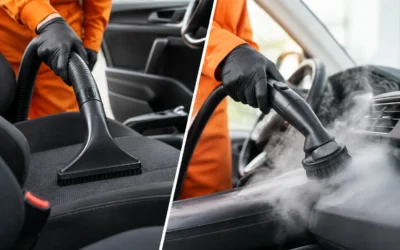
- Clean the interior: Vacuum thoroughly to remove crumbs and dirt, especially important for RV storage or multi-vehicle units.
- Protect the paint: Apply wax or sealant to guard against sun and rain damage.
- Check the battery: Disconnect the battery or use a trickle charger for cars in long-term storage.
- Fill the gas tank: Prevent moisture and evaporation, and use a stabilizer for RV storage or cars left unused for months.
- Check tire pressure: Inflate to the manufacturer’s specs to avoid flat spots.
- Remove valuables: Take out electronics and valuables, especially from vehicles in shared parking spaces.
- Use a breathable cover: Always cover a clean, dry vehicle, especially in outdoor or uncovered parking.
- Choose the right space: Prioritize accessible, well-protected units, and verify the facility’s security.
For best results, clean and prepare your car fully, protect the battery and tires, and choose the most secure and appropriate storage option for your vehicle and season.

How Does Fusion Car Wash Help Before Long-Term Storage?
Fusion Car Wash in Frederick, Maryland, is your one-stop shop for cleaning and prepping vehicles before storage.
Services Include:
- Complete exterior car washes to remove salt, grime, and pollen
- Full-service interior cleaning for all vehicle types
- Signature six-step Fusion Cleaning Process: Bath, Prime, Rinse, Seal, Wax, Repel for maximum protection against sun and rain
- Protective coatings and steam cleaning for enhanced vehicle storage
- Fast, pro service—perfect before you rent a storage unit or reserve parking for any vehicle
“Our six-step Fusion Cleaning Process is designed to protect your vehicle before long-term storage,” the team explains.
What Are the Most Common Car Storage Mistakes?
Some mistakes can ruin the value of your vehicle or lead to costly repairs—especially when using outdoor parking, RV storage, or uncovered parking spaces.
Car Storage Mistakes to Avoid:
- Storing a dirty car or RV with salt, grime, or bird droppings
- Leaving food, drink, or trash inside vehicles
- Parking in direct sunlight without a cover
- Using a non-breathable, low-quality car cover, especially outdoors
- Letting the battery drain or leaving it connected for months
- Ignoring tire pressure—always check before and during storage
- Choosing a parking space or storage unit that’s too small for your vehicle size
- Skipping pre-storage cleaning, even for indoor car storage or enclosed units
- Closing up the car with damp mats or wet surfaces
- Waiting until the last minute to reserve online or in person
Most car storage problems come from skipping cleaning, failing to protect from sun or rain, using a bad cover, and neglecting battery health or tire pressure.
When Should You Wash Your Car Before Storage?
Always wash your car, truck, or RV right before vehicle storage—no matter what type of storage unit or parking you select.
- Dry the vehicle thoroughly before storing or covering.
- Clean the interior and exterior in the days leading up to storage.
- Apply protective wax or paint guard, especially before long-term or outdoor storage.
- Schedule another cleaning after retrieving your vehicle from storage to remove any dust or residue.
Wash and protect your car just before storage, then again after long-term storage or a season in outdoor parking or RV storage.
“Clean your car right before and after storage to keep it protected and looking its best,” advises Fusion Car Wash.
Store Clean, Drive Clean With Fusion Car Wash
Proper car storage starts with careful preparation and ends with regular cleanings—no matter the type of vehicle or storage solution you choose. Whether you’re storing cars, trucks, motorcycles, rv, campers, SUVs, trailers, boats, or all-terrain vehicles, only a clean, well-prepared vehicle truly prevents damage from weather, sun, or debris.
Fusion Car Wash offers advanced, eco-friendly cleaning technology for drivers in Frederick, Maryland. Before you park, rent, or reserve a storage space, let our team help you keep your car shining and protected all year.
Protect your paint. Keep your car, truck, or RV ready to drive. Visit Fusion Car Wash before storing your vehicle, or join our Unlimited Wash Club for year-round, convenient cleanings.
More Car Wash And Car Care Resources For Frederick Drivers
Want to learn more about keeping your vehicle clean, protected, and road-ready? These resources can help you compare car wash options, understand basic maintenance, protect your car’s interior, and make smarter car care decisions.
- Fusion Car Wash | Learn more about Fusion’s wash options, Fusion Cleaning Process, steam services, Unlimited Wash Club, and Frederick car wash locations.
- Fusion Car Wash About Us | Get to know Fusion’s family-owned approach, local Frederick roots, and customer-first car care philosophy.
- Fusion Car Wash Contact Page | Find Fusion’s location, contact information, and details for planning your next visit.
- Fusion Car Wash In Frederick | See why Frederick drivers choose Fusion for quick exterior washes, full-service packages, and everyday vehicle care.
- Fusion Interior Detailing In Frederick | Learn what interior detailing includes and why it matters for comfort, cleanliness, and resale value.
- Consumer Reports: How To Wash Your Car | A helpful guide on safe washing habits, proper car cleaning products, and mistakes to avoid.
- Consumer Reports: Are Car-Wash Extras Worth It? | A useful resource for understanding car wash upgrades, protection options, and when extras may make sense.
- AAA: Time-Stamped Car Maintenance Checklist | A simple maintenance guide for staying on top of oil changes, tire care, battery checks, and other routine vehicle needs.
- NHTSA TireWise Tire Safety Guide | Learn how to check tire pressure, tread depth, tire age, and other safety basics.
- IIHS Headlights Guide | A helpful resource on headlight performance, glare, low beams, high beams, and nighttime visibility.
- AutoZone: What Should Be In Your Car Detailing Kit | A practical guide to detailing kit essentials like microfiber towels, wheel brushes, glass cleaner, wax, and upholstery products.
- AutoZone: How To Detail A Car Step By Step | A beginner-friendly breakdown of exterior and interior detailing tools and steps.
- EPA: Vehicle And Equipment Washing Best Practices | A resource on wash water, runoff, and why proper vehicle washing practices matter for the environment.
- Maryland MVA: Selling A Vehicle | A Maryland-specific guide for title, lien, and paperwork steps when selling a vehicle.
- Maryland MVA: Buying A Vehicle | A useful resource for understanding title transfer, bill of sale, odometer details, and purchase paperwork in Maryland.
- FTC: Buying A Used Car From A Dealer | A consumer-friendly guide on used car buying, vehicle history reports, warranties, and dealer paperwork.
- Visit Frederick: Getting To And Around Frederick County | A local resource for Frederick County routes, highways, and travel context for drivers in the area.
Frequently Asked Questions (FAQ)
- How much do car storage units typically cost in Frederick, MD? | Outdoor vehicle storage or uncovered parking in Frederick, MD, starts at about $40–$60 per month. Premium indoor car storage, climate-controlled options, and enclosed storage units range from $150–$300+ monthly, depending on unit size and facility amenities.
- How far in advance should I reserve vehicle storage? | Reserve online or in person 4–6 weeks ahead of your desired storage date—especially before busy seasons such as late fall or summer when storage units and parking spaces fill up fast.
- What are the main risks of uncovered parking? | Uncovered parking spaces expose cars and RVs to sun damage, rain, hail, bird droppings, and temperature swings, which cause paint fading and interior wear.
- What alternatives exist besides commercial storage facilities? | Alternatives include home garage storage, building a carport, renting a neighbor’s garage space, or protected outdoor storage with a quality vehicle cover.
- Who benefits from the Unlimited Wash Club for storage preparation? | Customers storing several vehicles, classic car owners, fleet managers, and RV or trailer owners rotating storage benefit most from the Unlimited Wash Club’s regular cleaning plan.
- What should I do if I can only use outdoor parking? | Clean and dry the vehicle fully, use a breathable cover, and check the vehicle regularly for sun or rain damage and pests.
- Is it safe to leave the battery connected in storage? | For any car, RV, or boat stored more than a month, disconnect or trickle-charge the battery to avoid a dead battery and prolong battery life.
- How do I prevent flat spots on my tires during storage? | Inflate tires to the recommended pressure, move the vehicle slightly every few weeks, or use tire cradles if storing a car or RV long-term.
- Can I store a car that needs maintenance?| Address mechanical issues before storage. Leaks, low fluids, or battery troubles can worsen in a parked vehicle or storage location over time.
For personal advice and assistance preparing your vehicle for storage, visit Fusion Car Wash in Frederick or contact us through our website today!