A muddy SUV after a Frederick rainstorm is more than a cosmetic problem. Road film, salt, pollen, tree sap, and bird droppings can sit on the finish and become harder to remove over time. So, are washes safe? When a car wash is properly maintained and used with your vehicle in mind, regular washing is one of the simplest ways to protect your vehicle’s appearance.
The key is understanding what makes a wash safe, what can cause damage, and when a little extra attention is the better choice. A clean vehicle should look great when it leaves the wash, but the real value is helping it stay in better condition between washes.
Are Washes Safe for Car Paint?
Yes, professional car washes are generally safe for modern automotive paint. Today’s wash systems are designed to lift dirt, lubricate the vehicle’s surface, rinse away grit, and apply protective products without the rough treatment that people often associate with older car wash equipment.
Paint damage usually comes from friction combined with contamination. Think of dust, sand, road grit, or dried mud rubbing across a vehicle’s clear coat. A quality wash reduces that risk by using pre-soak solutions, controlled water pressure, well-maintained wash materials, and thorough rinsing before the main cleaning stage.
That does not mean every wash is identical. The condition of the equipment, the quality of the wash chemistry, and the level of care behind the process all matter. A wash tunnel with worn materials or poor maintenance can create problems. The same is true of washing a heavily soiled vehicle at home with a dirty sponge or towel.
For most drivers, regular professional washing is safer than letting grime build up for weeks. It is also usually safer than a quick driveway wash that uses dish soap, a single bucket, and a towel that has already picked up grit from the ground.
What Makes a Car Wash Safe?
A safe car wash is not just about whether it uses brushes or operates as a touchless wash. It is about the complete process. Professional equipment should be inspected regularly, wash materials should be kept clean, and each vehicle should receive enough water and lubricating solution to move dirt away from the paint.
Pre-soak is especially valuable during Maryland winters and after wet weather. It begins breaking down salt, oily road film, and stubborn debris before anything touches the vehicle. A strong rinse then helps carry loose contamination away instead of dragging it across the finish.
Quality wash products also make a difference. Automotive wash chemistry is formulated to clean without stripping the vehicle’s finish when used correctly. Premium wash packages may include wax, sealants, ceramic protection, or water-repellent treatments that help water and grime slide off more easily. These are not substitutes for good washing practices, but they can add a useful layer of protection and make future cleaning easier.
At Fusion Carwash, the goal is straightforward: provide a clean vehicle, polished results, and a process drivers can feel good about repeating. Whether you choose express convenience or full-service attention, the best experience comes from matching the wash to your vehicle’s needs.
Soft-Touch vs. Touchless Washes
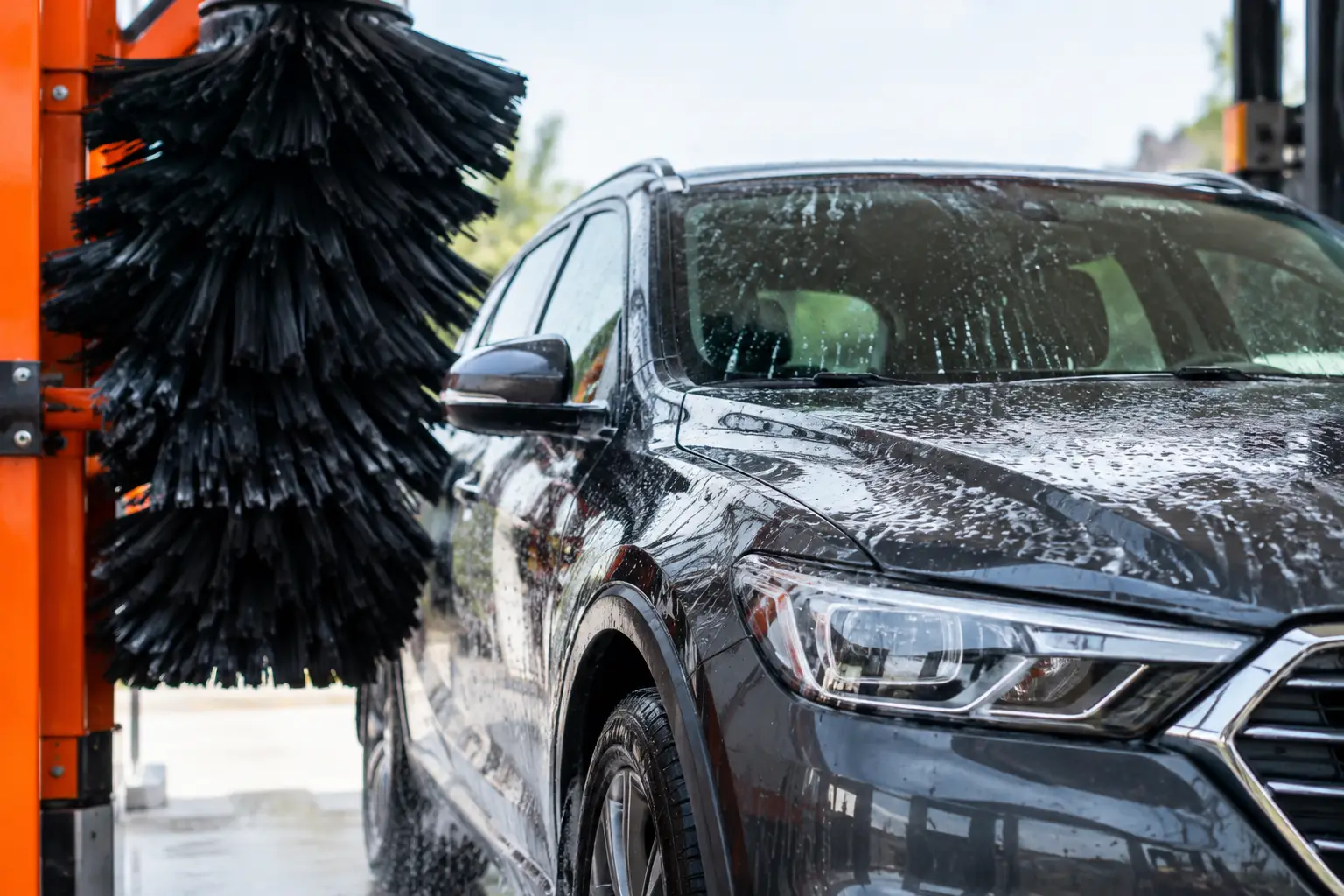
Soft-touch washes use gentle wash materials to clean the vehicle’s surface. Their benefit is more direct cleaning power, especially on the lower panels, rear hatch, wheels, and other areas where road grime tends to cling. When the materials are maintained properly and the vehicle is pre-rinsed, soft-touch washing can be a safe and effective option for routine care.
Touchless washes rely more heavily on water pressure and cleaning solutions. Since nothing physically contacts the paint, some drivers prefer them for that reason. The trade-off is that touchless systems may not remove every layer of stuck-on dirt, especially during winter or after a long highway commute.
Neither option is automatically right for every vehicle. A lightly dusty car may do well with a touchless wash, while a vehicle covered in salt and road film may benefit from the more complete cleaning of a properly maintained soft-touch system. The safest choice is often the one that removes harmful dirt thoroughly without unnecessary repeat passes.
Clean Materials Matter More Than Many Drivers Realize
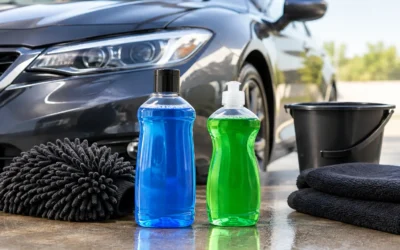
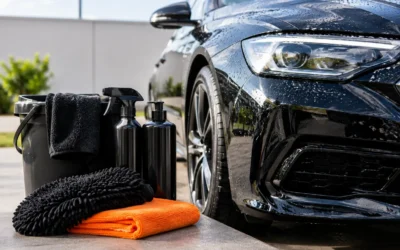
People often worry about brushes, but the bigger concern is dirty or neglected wash materials. Any material can become a problem if it holds grit. That applies to a tunnel wash, a wash mitt, a drying towel, or the old sponge sitting beside a hose at home.
Professional wash operations use systems built around cleaning, rinsing, and maintaining the materials that touch vehicles. That consistent process is difficult to duplicate with casual at-home washing. If you use self-service vacuums or finish your own vehicle after a wash, avoid using a towel that has fallen onto the pavement or has picked up visible debris.
When Should You Be Careful at a Car Wash?
A car wash is safe for most vehicles, but certain conditions deserve extra care. If your vehicle has loose trim, damaged mirrors, a cracked windshield, peeling paint, or an aftermarket accessory that is not securely mounted, address those issues before entering a tunnel. A wash can expose an existing problem, even if it did not cause it.
Convertible owners should make sure the top is fully closed and in good condition. Drivers with very low vehicles, oversized tires, roof cargo, bike racks, or nonstandard exterior accessories should check the wash’s vehicle guidelines before pulling in. Factory-installed antennas and mirrors are typically considered in wash design, but loose or modified accessories can be different.
Fresh paint and repair work require patience as well. Body shops may recommend a waiting period before waxing, sealing, or washing newly painted areas. Follow their guidance, because curing time depends on the repair and products used.
If bird droppings, tree sap, or bugs have baked onto the paint, do not wait for the next monthly wash. These contaminants can be acidic or sticky enough to affect the finish. A prompt rinse and professional cleaning is the smarter move.
How Often Should You Wash Your Vehicle?
There is no single schedule for every driver. For many Frederick-area vehicles, washing every one to two weeks is a practical baseline. Drivers who commute daily, park outdoors, travel on treated winter roads, or regularly drive through construction and rural areas may need to wash more often.
Winter deserves special attention. Road salt can collect underneath the vehicle, around wheel wells, and along lower body panels. An underbody wash helps rinse away that buildup where it is easy to overlook. In spring, pollen and rain can leave a dull film. In summer, bugs, sap, and intense sunlight can make contaminants tougher to remove. Fall brings leaves, moisture, and more debris around drains and trim.
Frequent washing does not have to mean overdoing it. A well-run wash with appropriate products is designed for regular use. For drivers who like a consistently clean vehicle, an unlimited monthly plan can make routine care easier and more predictable than waiting until the car looks neglected.
Protection Helps Between Washes
Wax, sealants, and ceramic protection do not make a vehicle invincible, but they can improve how the paint handles everyday messes. These products create a sacrificial layer between the clear coat and contaminants, helping water bead and making grime easier to rinse away.
Water-repellent treatment can also improve visibility during rainy commutes by helping water move off exterior glass. Tire shine and wheel cleaning add the finished look many drivers want, while interior vacuuming and detailing help keep the cabin as pleasant as the exterior looks.
The right package depends on how you use your vehicle. A family vehicle that sees school drop-offs, sports gear, and weekend errands may benefit from regular interior attention. A commuter who spends hours on highways may prioritize exterior protection, underbody cleaning, and clear glass. There is no need to pay for services you will not use, but it is worth choosing protection that fits your driving routine.
A Clean Car Is a Practical Form of Care
Car washing is not about chasing a showroom finish every day. It is about removing the things that slowly work against your vehicle’s paint, trim, wheels, and visibility. Choose a professional wash that maintains its equipment, use a package that fits the season, and do not let salt or stubborn contaminants sit longer than they need to. Your vehicle will look better on the road, and you will spend less time trying to undo avoidable buildup later.