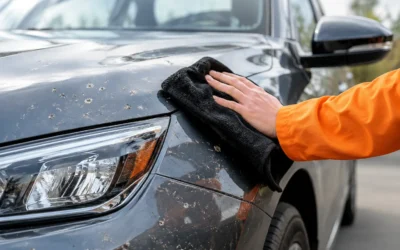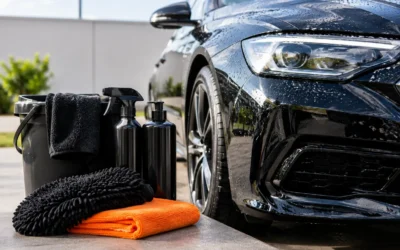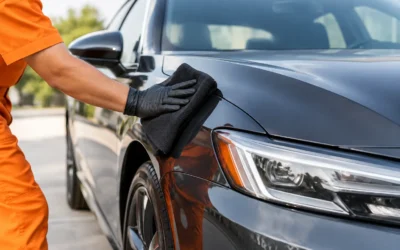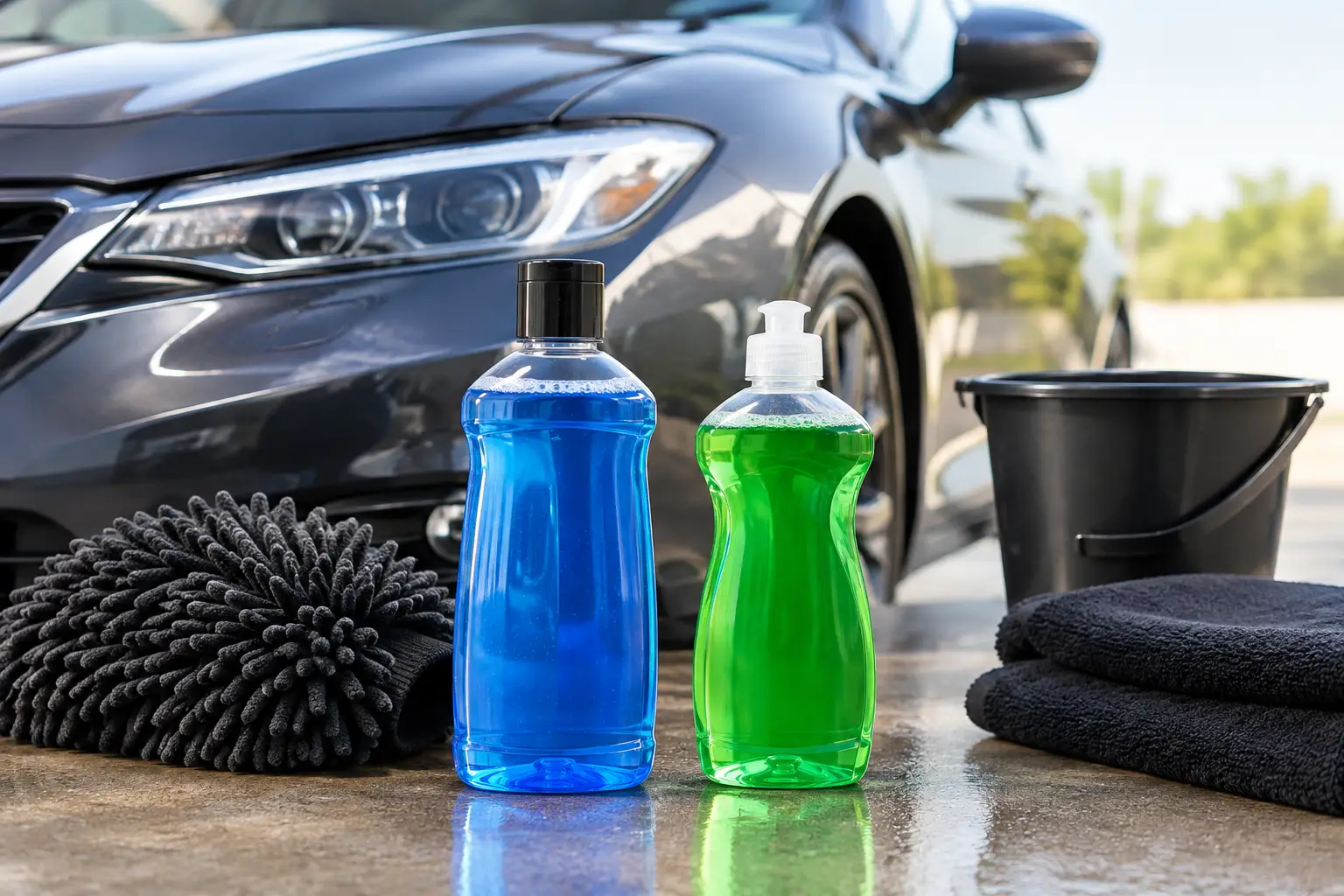
A kitchen bottle may be within arm’s reach when your vehicle is covered in pollen, road film, or a weekend’s worth of family messes. But car shampoo versus dish soap is not simply a question of what makes the most suds. The product you use can affect the finish, the protection already on your vehicle, and how clean it looks once it dries.
Dish soap can remove grime quickly, which is why many drivers reach for it in a pinch. Yet a vehicle’s exterior faces a different job than a dinner plate. Your paint, trim, glass, wheels, wax, sealant, or ceramic protection need cleaning that removes contamination without unnecessarily breaking down the protective layers that help your vehicle keep its shine.
Why Car Shampoo and Dish Soap Are Made for Different Jobs
Dish soap is designed to cut through food grease and oily residue. That strong degreasing action is useful at the kitchen sink, where the goal is to leave dishes free of cooking oils. On a vehicle, though, it can also work against the waxes, sealants, and other protectants that create water beading, boost gloss, and make future dirt easier to rinse away.
Car shampoo is formulated for painted automotive surfaces. A quality formula is made to lift road grime, dust, pollen, and light traffic film while providing enough lubrication for a wash mitt to glide over the paint. That lubrication matters. It helps reduce friction while you clean, lowering the chance of putting fine wash marks into the clear coat.
This does not mean every car shampoo is identical. Some are simple maintenance washes, while others are designed to support wax, add gloss, or work well with ceramic-coated vehicles. The best choice depends on your vehicle’s current protection and how you plan to wash it.
Car Shampoo Versus Dish Soap: What Happens to Protection?
The clearest difference between car shampoo and dish soap is how they treat the protection on your vehicle.
Wax, paint sealants, and many spray protectants are not permanent. They gradually wear down from sun exposure, weather, road salt, repeated washing, and normal driving. Regular use of a strong dish detergent can speed up that process. When the protective layer weakens, water may stop beading as well, the paint can look less rich, and stuck-on grime may take more effort to remove later.
Ceramic coatings are more durable than a traditional wax, but they still benefit from the right maintenance. Dish soap may not instantly remove a professionally applied ceramic coating, but it can leave behind a less appealing surface and interfere with the coating’s water behavior over time. A pH-balanced car shampoo is usually the more appropriate maintenance choice.
There is a trade-off worth understanding: if you are intentionally stripping old wax before applying a fresh coat of protection, a stronger cleaner may have a purpose. That is a preparation step, not a routine weekly wash. For regular care, preserving protection is usually the better value.
The Problem Is Not Just Soap – It Is Friction
A common mistake is focusing only on the cleaning product. Soap matters, but technique matters just as much.
When dust and road grit sit on the paint, rubbing them with a dry towel, an old sponge, or a lightly soaped rag can create tiny scratches. These marks are often most visible in direct sunlight, especially on black, dark blue, and other deep colors. A proper car shampoo helps carry dirt away from the surface, but no soap can fully protect paint from aggressive scrubbing.
Start by rinsing the vehicle thoroughly to remove loose debris. Use a clean wash mitt rather than a worn sponge, and rinse the mitt often. Work from the upper panels down, since lower doors, rocker panels, and bumpers generally hold the heaviest grit. Dry with clean microfiber towels instead of letting hard water air-dry across the paint.
If your vehicle has caked-on mud, tree sap, bird droppings, or winter road salt, avoid trying to solve the problem by using more pressure. Let water and the right cleaning process do the work first.
When Dish Soap Can Make Sense
For most vehicle washes, car shampoo is the safer choice. Still, dish soap is not automatically a disaster in every situation.
If you have a one-time emergency and need to clean a spill from an unprotected older vehicle, a small amount of diluted dish soap is unlikely to cause immediate visible damage. The key is not to turn that emergency solution into a regular habit. Follow up with a proper wash and consider refreshing the vehicle’s protection.
Dish detergent can also be used carefully for certain non-paint tasks, such as cleaning greasy tools or washing removable rubber floor mats. Even then, rinse thoroughly. It is not the go-to product for leather, interior screens, delicate trim, or exterior paint.
What drivers should avoid is assuming that a squeaky-clean feel means a better finish. On a protected vehicle, that stripped feeling can mean the surface has lost the slickness and water resistance you wanted to preserve.
Choosing the Right Car Shampoo for Your Vehicle
The label does not need to be complicated. Look for a shampoo made specifically for automotive paint and follow its dilution directions. Using too much product does not make the vehicle cleaner. It can leave residue, make rinsing harder, and waste product.
If your vehicle has wax or sealant, choose a gentle maintenance shampoo. If it has a ceramic coating, use a coating-safe shampoo without heavy gloss additives unless the coating manufacturer recommends otherwise. If your main concern is a neglected vehicle with embedded grime, it may be time for a more thorough professional cleaning before returning to a normal maintenance routine.
Also consider your water and your wash environment. Frederick-area drivers deal with spring pollen, summer dust, fall leaves, and winter salt. Washing in direct sun can cause water and soap to dry too fast, leaving spots and streaks. Early morning, late afternoon, or a professional wash location can make the process easier and give you a more consistent result.
A Better Option When Time Is Tight
At-home washing can be satisfying, but it is not always practical. A busy commuter may not have time to gather buckets, clean towels, and the right products after a long week. Families may need a quick clean before school pickups, sports practices, or a road trip. And in cold weather, a driveway wash is rarely appealing.
That is where a professional wash can help keep routine care simple. At Fusion Carwash, wash options are built around cleaning and protection, whether you need a fast exterior refresh or want interior and exterior attention handled for you. The goal is not just a cleaner car when you pull away. It is a process that supports the finish you worked to maintain.
Regular washing is especially useful after winter road treatment, heavy pollen days, or long highway drives. Those contaminants do not need to sit on the vehicle until it looks visibly dirty. Staying ahead of buildup makes each wash easier and helps your paint, wheels, and trim look better over the long run.
Protect the Finish You Already Paid For
Your vehicle does not need kitchen-strength degreasing every time it gets dirty. It needs a wash process that removes the grime of everyday driving while respecting the paint and protection underneath. Save dish soap for dishes, choose automotive shampoo for routine hand washing, and let a professional wash handle the details when convenience matters. A clean vehicle should look good today and still be easier to care for next month.