A summer drive through Frederick should not leave your front bumper feeling like sandpaper. Bug residue looks harmless at first, but it can bake onto paint, headlights, mirrors, and glass surprisingly fast. Knowing how to remove bug splatter safely helps protect the clean finish you paid for while keeping a small mess from becoming a stubborn cleaning job.
The key is simple: soften the residue before you touch it. Rubbing dried insects with a towel, sponge, or fingernail is where good intentions can turn into light scratches and dull spots. A little patience, the right wash process, and regular protection make a visible difference.
Why Bug Splatter Should Not Sit on Your Car
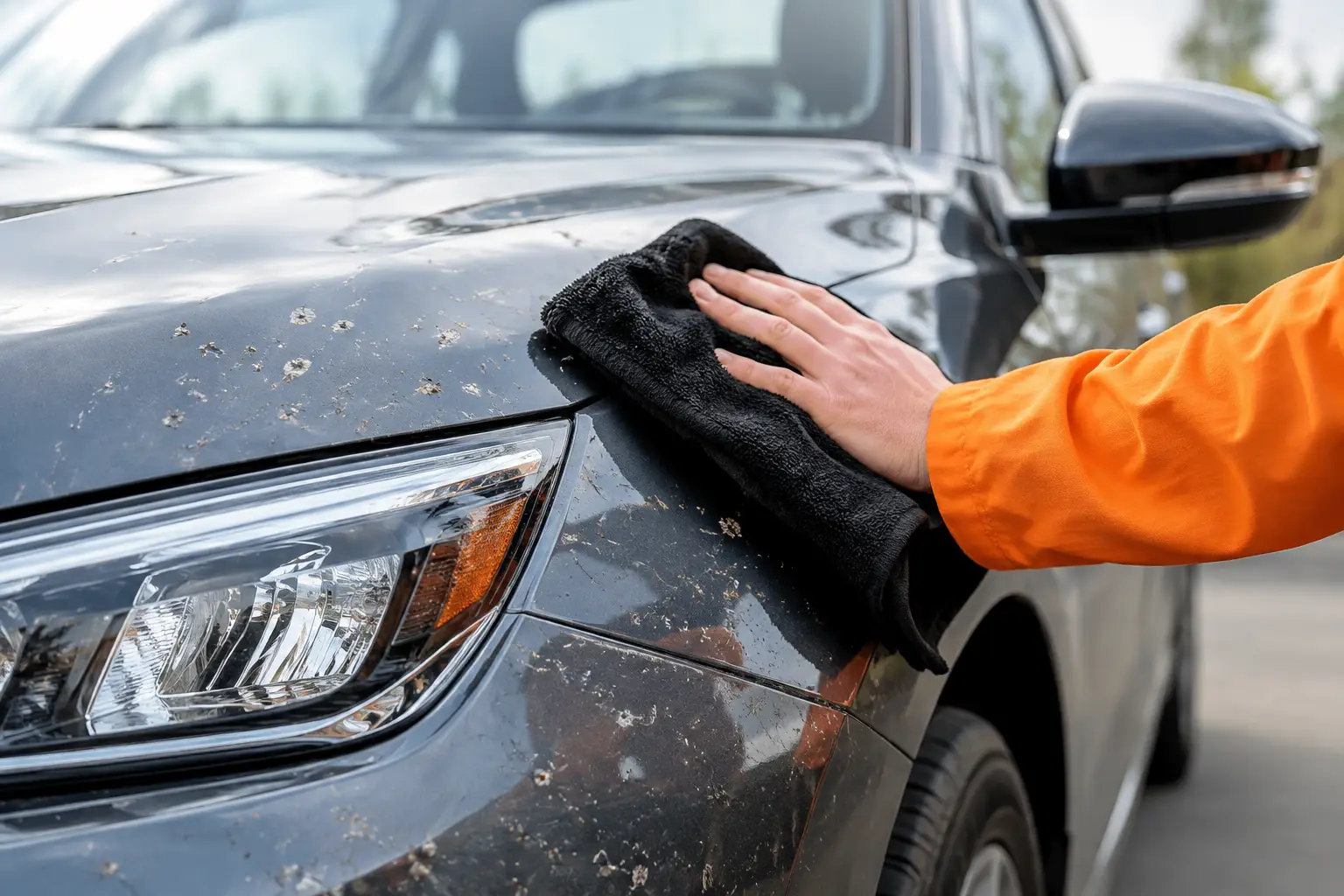
Bugs are more than an appearance issue. Their remains contain proteins and acidic compounds that can cling to a vehicle’s surface. When the sun heats your hood or bumper, that residue dries harder and becomes more difficult to remove. On unprotected paint, leaving it there for days can contribute to staining or etched-looking marks.
This is especially common after highway trips, evening drives, and commutes through warm Maryland weather. The front bumper, grille, windshield, side mirrors, and leading edge of the hood take the most abuse. White and lighter-colored vehicles may show the residue first, but every finish benefits from prompt cleaning.
You do not need to wash your entire vehicle every time you spot a few bugs. But if the splatter is fresh, rinsing it away sooner is always easier than waiting for it to harden in the sun.
How to Remove Bug Splatter Safely
Start with a cool vehicle in a shaded spot whenever possible. Cleaning a hot hood or bumper causes water and cleaning products to dry too quickly, which can leave streaks and make residue harder to loosen. If you have just arrived home from a long drive, give the vehicle time to cool down before getting started.
First, rinse the affected areas with a steady stream of water. This removes loose road dust and grit that could scratch the surface during the next step. A garden hose works well at home. Avoid holding a pressure-washer nozzle extremely close to paint, trim, badges, or chipped areas. Strong pressure can be useful, but it should lift debris rather than force water into places it does not belong.
Next, use a car-safe bug remover or a quality pH-balanced car wash soap mixed according to its directions. Spray or apply it to the bumper, hood, mirrors, and windshield, then give it a minute or two to work. The goal is to rehydrate the residue, not to attack it with harsh chemicals.
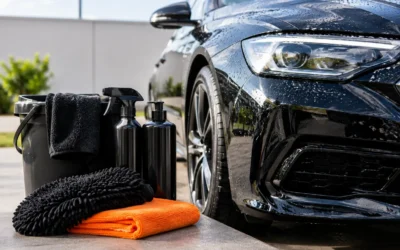
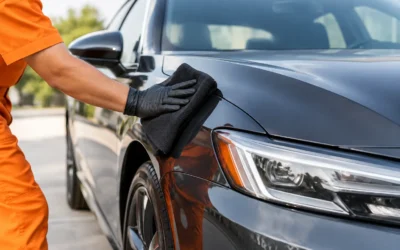
For heavier buildup, lay a wet microfiber towel over the area for several minutes. This simple soak gives dried splatter time to soften without aggressive scrubbing. Keep the towel wet, especially on a warm day. Once the residue has loosened, wipe gently with a clean microfiber wash mitt or towel using light, straight passes.
Rinse the area again, then inspect it before drying. If a spot remains, repeat the soak-and-wipe process instead of pressing harder. Two gentle passes are safer than one forceful one.
Treat Glass, Paint, and Plastic as Different Surfaces
Your windshield can usually handle a dedicated automotive glass cleaner and a clean microfiber towel. Avoid using the same towel that just cleaned the bumper, since it may be holding road grit. Work one section at a time and finish with a dry glass towel if streaks remain.
Paint and clear coat need the gentlest approach. Use automotive wash products, clean water, and microfiber only. Bug splatter on clear protective film, ceramic-coated surfaces, or recently waxed paint should still be removed promptly, but do not assume every cleaner is suitable for every protective finish. Check the product label or choose a professional wash process designed for exterior surfaces.
Plastic grille pieces, mirror housings, and headlight lenses can hold residue in textured areas. Let the cleaner dwell, then use a soft detailing brush only if needed. Do not use stiff household brushes. They can leave noticeable marks on glossy black trim and dull the finish of plastic components.
What Not to Use on Dried Bugs
When bug splatter is stubborn, it is tempting to grab whatever is under the kitchen sink. That is where avoidable paint damage often begins. Household glass cleaners containing ammonia, abrasive pads, strong degreasers, and powdered cleaners are not made for automotive paint or exterior trim.
Skip the dry paper towel, too. It may feel convenient at a gas station, but dry wiping grinds grit across the clear coat. The same goes for scraping residue with a card, fingernail, or ice scraper. If a bug does not lift easily, it needs more moisture and dwell time, not more force.
Melamine foam sponges, often sold as heavy-duty cleaning erasers, should also stay away from paint, clear plastic, and glossy trim. They act like a very fine abrasive. They may remove the bug, but they can also leave haze that is much more difficult to correct.
Protect the Front End Before the Next Drive
The easiest bug removal is the kind that does not stick as aggressively in the first place. A quality wax, sealant, or ceramic protection service creates a more slippery surface that helps grime and bug residue release more easily during a wash. Protection does not make your car immune to splatter, but it reduces the effort needed to clean it off.
This is one reason regular washes matter beyond appearance. Removing contaminants before they bake in helps preserve the shine of your paint, the clarity of your headlights, and the polished look of the vehicle’s front end. Drivers who commute frequently or take regular trips on I-70 may find that a consistent wash routine saves time compared with tackling heavy buildup once a month.
At Fusion Carwash, wash options with protective finishes can be a practical fit for drivers who want a cleaner vehicle without turning every weekend into a detailing project. Whether you prefer a quick express wash or full-service attention, the right package depends on how often you drive, where you park, and how much protection you want between washes.
When a Professional Wash Is the Better Choice
A home rinse is useful for fresh splatter, but some situations call for professional help. If bugs have been sitting on the vehicle through several hot days, if residue is packed into a grille, or if you see dull or etched-looking spots after cleaning, avoid experimenting with stronger chemicals. A professional can assess whether the surface needs a thorough wash, contamination removal, or paint-safe correction.
It also makes sense to choose professional service when your vehicle has specialty finishes, matte paint, paint protection film, fresh bodywork, or a ceramic coating with specific care requirements. The wrong product can compromise the look or performance of those surfaces.
A clean microfiber towel and a quick rinse can handle a lot, but consistent care is what keeps bug season from taking over your bumper. After your next evening drive or weekend trip, give the front of your vehicle a little attention while the splatter is still fresh. Your paint will be easier to clean, and your car will keep looking ready for wherever Frederick roads take you next.