A dusty SUV after a week of school drop-offs, a commuter sedan covered in road film, or a truck carrying winter salt all need more than a quick rinse. The hand wash versus automatic question comes down to what your vehicle needs, how much time you have, and whether you want to handle the work yourself. For many Frederick-area drivers, the best choice is not one method forever. It is choosing the right level of care for the day, the season, and the condition of your vehicle.
Hand Wash Versus Automatic: The Real Difference
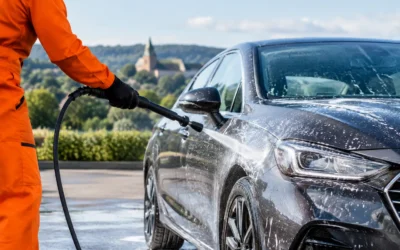
A hand wash gives a person direct control over the process. That can mean washing your vehicle in the driveway, visiting a detailer, or choosing a service where trained attendants handle specific cleaning tasks. The biggest advantage is attention to detail. A person can focus on bug buildup, brake dust, mud behind the wheels, and other areas that need extra care.
An automatic wash uses equipment, chemistry, water pressure, and a repeatable process to clean vehicles efficiently. Modern tunnel washes are built to remove everyday dirt quickly while applying products such as tire shine, wax, sealant, ceramic protection, and water-repellent treatments. The right automatic wash is not simply about speed. It is about consistent results without asking you to spend your Saturday holding a wash mitt.
Neither option is automatically better in every situation. A lightly soiled daily driver may be an ideal candidate for an automatic wash. A vehicle with heavy mud, tree sap, or a neglected interior may benefit from more hands-on attention.
When a Hand Wash Makes Sense
Hand washing can be a good choice when your vehicle needs careful spot treatment. If you have recently driven on gravel roads, parked under a sticky tree, or returned from a beach trip with sand in every corner, a person can slow down and address the trouble spots directly.
It may also appeal to owners of specialty vehicles, older cars, or vehicles with delicate aftermarket accessories. The key is using the right method. A rushed driveway wash with one bucket, an old sponge, and dish soap can do more harm than good. Dirt trapped in a sponge can drag across paint, while harsh household cleaners can strip protective products and dry out trim.
A quality hand wash requires clean tools, proper car-safe soap, plenty of lubrication, and a safe drying method. It also requires time. For a thorough exterior wash, wheel cleaning, drying, and interior touch-up, many drivers will spend an hour or more. That can be satisfying for someone who enjoys the process. For a parent heading to a game or a commuter trying to fit in errands, it can feel like another chore.
Professional hand-attention services can solve the labor issue, but they usually cost more and take longer than a standard automatic wash. That trade-off can be worthwhile when the vehicle’s condition calls for it.
Where Automatic Washing Wins
Automatic washing is often the practical choice for regular maintenance. Road grime does not wait for a free weekend, especially around Frederick, Urbana, Linganore, Middletown, and Adamstown. Rain, pollen, slush, construction dust, and salt can quickly make a clean vehicle look neglected.
A professional automatic wash gives drivers a reliable way to stay ahead of that buildup. The process is designed for repeatability: pre-treatment helps loosen grime, wash materials or touch-free equipment clean the exterior, rinses remove residue, and protectants help preserve the finish. The result is a cleaner vehicle in minutes rather than hours.
Convenience matters because consistency matters. Washing once every few months is rarely enough for vehicles exposed to Maryland weather and daily driving. Frequent washes can help remove contaminants before they sit on painted surfaces, wheels, and lower body panels for too long. Underbody washing is especially useful after winter driving, when salt and brine collect where you cannot easily see them.
An automatic wash also makes sense for drivers who want professional products without keeping shelves of supplies at home. Options such as wax, sealants, ceramic protection, tire shine, and water repellents can add visible gloss and useful protection as part of a regular wash routine.
What About Paint Safety?
Paint safety is one of the biggest concerns in the hand wash versus automatic debate, and the honest answer is that technique matters more than the label alone.
A poorly maintained automatic wash can be rough on a vehicle. So can an improper hand wash. Brushes or cloth materials that are not properly cared for may hold dirt, while a hand washer who scrubs dry dust or uses dirty towels can create scratches and swirl marks. The safest choice is a wash process that prioritizes clean equipment, appropriate chemistry, and proper lubrication.
Modern professional car washes are designed to clean efficiently while treating vehicle surfaces with care. Still, no wash can promise that every mark on a vehicle came from one source. Everyday driving exposes paint to debris, parking lot contact, road grit, and weather. Regular protection helps reduce the impact of those conditions, but it does not make paint invincible.
If your vehicle has a fresh paint correction, specialty coating requirements, loose exterior parts, or unusual modifications, ask for guidance before choosing a wash. It is always smart to match the wash method to the vehicle, not just the clock.
The Time and Cost Trade-Off
A driveway hand wash can look less expensive at first because you are doing the labor. But supplies add up: quality soap, buckets, microfiber towels, wheel cleaner, tire dressing, wax, drying towels, and water usage. Then there is the value of your time.
An automatic wash is usually easier to budget for. You can select a package based on the finish and protection you want, whether that means a basic exterior clean or a more complete service with premium protectants. For drivers who wash often, an unlimited monthly plan can offer predictable value and make it easier to keep up with seasonal messes.
The best value is not always the lowest single price. It is the option you will actually use often enough to keep your vehicle clean, protected, and enjoyable to drive. A lower-cost at-home setup does little for you if the supplies stay in the garage all season.
Full-Service Attention or Express Convenience?
Your ideal wash may also depend on what happens after the exterior is clean. An express wash is a strong fit when you want a fast exterior clean and prefer to use free vacuums at your own pace. It works well for busy drivers who know exactly what they need and want to get back on the road.
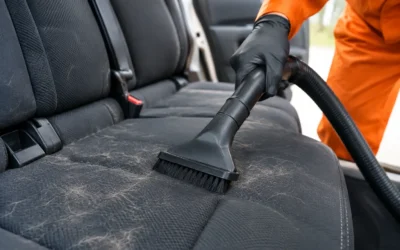
A full-service option is better when you want to relax while someone else handles more of the details. Interior cleaning, vacuuming, windows, and available add-ons such as steam detailing can make a meaningful difference after family trips, long commutes, or a season of muddy shoes and snack crumbs.
Fusion Carwash offers both approaches because Frederick drivers do not all have the same schedule or expectations. Some days call for a quick wash before work. Other days call for a more complete reset.
A Practical Way to Choose
Choose a hand wash when your vehicle has specific problem areas, delicate accessories, or a level of buildup that needs careful, targeted work. Choose an automatic wash when you need reliable maintenance, protection options, and a clean vehicle without giving up a large part of your day.
For most daily drivers, the strongest approach is regular automatic washing paired with occasional deeper attention when conditions demand it. Keep salt off in winter, rinse away pollen in spring, remove bug residue in summer, and stay ahead of leaves and road film in fall. A clean vehicle is easier to maintain than one that has been allowed to collect months of grime.
The right wash should fit your real life. Whether you prefer to handle every detail yourself or let a trusted local team take care of it, keeping a regular wash routine gives your vehicle the attention it deserves and gives you one less thing to worry about.