A clean car should feel like a simple win, not a source of worry. This automatic wash safety guide helps Frederick-area drivers know what to check before entering the tunnel, what conditions call for extra care, and how to leave with a clean, protected finish. For most well-maintained vehicles, a professional automatic wash is a safe, convenient way to remove the road film, salt, pollen, mud, and everyday grime that build up fast around Maryland.
Start With the Right Kind of Wash
Not every vehicle needs the same approach. Automatic washes are designed to safely clean the large majority of passenger cars, SUVs, crossovers, and trucks, but the best choice depends on your vehicle’s condition and equipment.
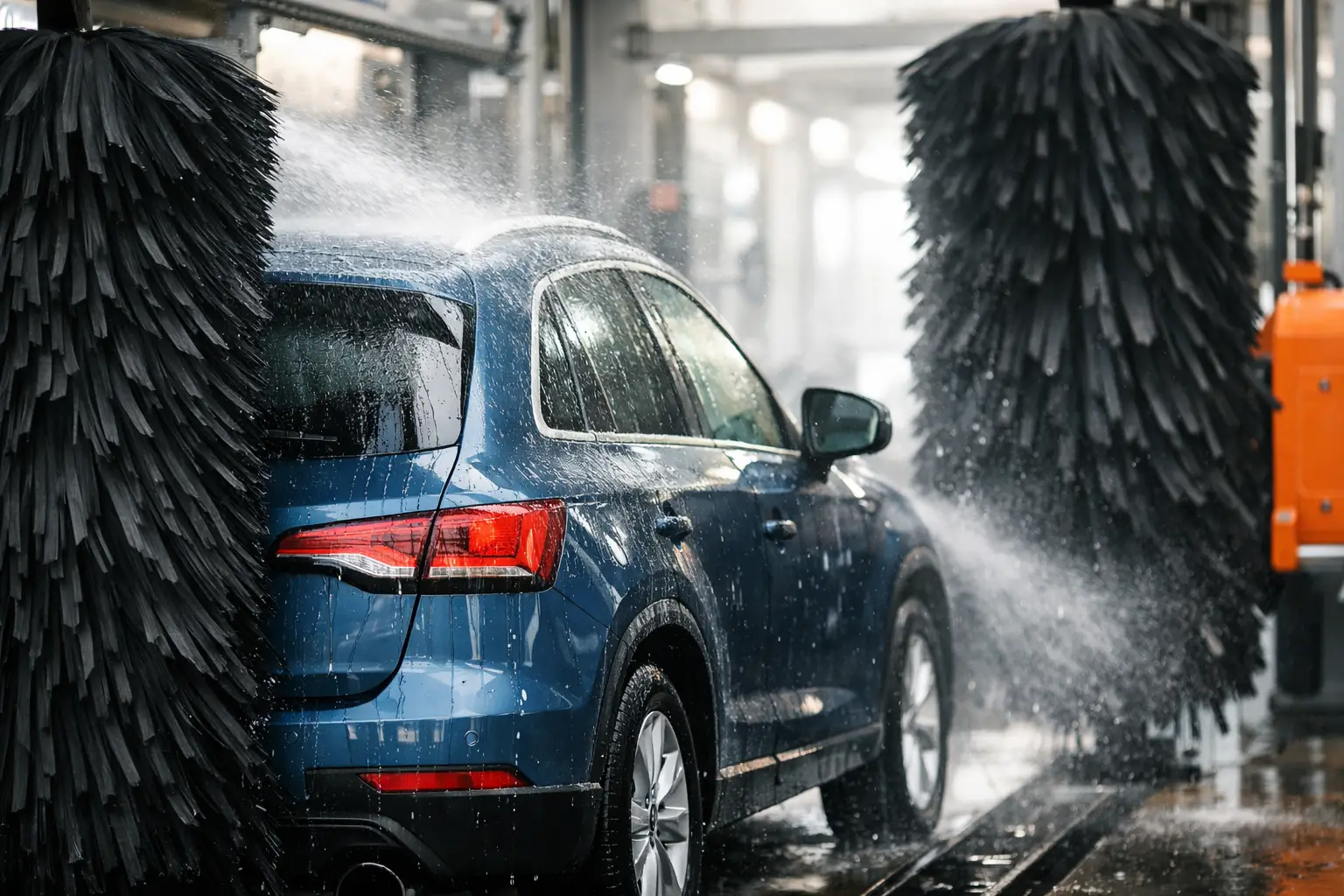
A quality professional wash uses vehicle-safe chemistry, controlled equipment, and a consistent process. That matters more than the old image of harsh brushes and rough treatment. Modern wash materials are made to lift away dirt while reducing unnecessary friction, and protective options such as wax, sealant, ceramic protection, and water repellent can help maintain the finish between visits.
Still, a wash cannot fix existing paint damage or make loose parts secure. If your vehicle has a cracked mirror housing, peeling paint, loose trim, damaged windshield wipers, or an accessory that is not firmly mounted, take care of that issue before any automatic wash. The same goes for a vehicle that has just been repainted or repaired. Follow the body shop’s curing instructions before washing it.
Automatic Wash Safety Guide: Before You Enter
A quick walk-around takes less than a minute and can prevent most avoidable issues. Start by closing all windows, the sunroof, and the fuel door. Make sure the trunk and hatch are fully latched. It sounds basic, but a partially closed window or hatch can turn a routine wash into an unpleasant surprise.
Remove or secure items that extend beyond the vehicle. This may include temporary antennas, magnetic signs, bike racks, cargo attachments, flags, or loose hitch accessories. Factory equipment that is designed for the vehicle is usually fine, but aftermarket accessories vary. If you are unsure whether something can go through a tunnel, ask the wash team before pulling forward.
Fold in mirrors if your vehicle allows it, especially if they are large, manually folding, or aftermarket replacements. If your vehicle has an automatic power-fold setting, check your owner’s manual to confirm the proper wash setting. Some newer vehicles also have a car wash mode that disables automatic wipers, folds mirrors, closes vents, and puts the transmission in neutral as needed.
Drivers with pickup trucks should check the bed before entering. Loose tools, lawn equipment, boxes, and debris can shift or blow out. Tonneau covers should be fully secured. For convertibles, inspect the top and seals for damage before washing. A properly maintained convertible top can typically handle a professional wash, but worn seals or tears need attention first.
Know When to Choose a Different Option
An automatic wash is not the right fit for every situation. If your vehicle is covered in thick, hardened mud, heavy construction debris, or a substance such as tar, paint overspray, or sap, a more focused cleaning approach may be better. Forcing abrasive material through a wash process can create unnecessary friction against the paint.
The same is true for vehicles with delicate modifications. Lowered cars, custom body kits, very wide wheels, unusual roof accessories, or exposed aftermarket components may need special consideration. Clearance, tire guidance, and equipment compatibility can vary by vehicle and wash location.
Fresh damage is another reason to pause. A loose bumper, hanging splash guard, cracked windshield, or mirror that is barely holding on should be repaired before washing. The wash did not create the damage, but water pressure and moving equipment can make an existing problem worse.
If you have questions, speak up before entering. A good car wash team would rather help you select the right service than rush a vehicle through a process that does not fit its condition.
Follow the Loading Instructions Carefully
The safest wash experience depends on the driver and the equipment working together. Pay attention to the attendant’s signals and posted instructions. Pull forward slowly, center your tires on the track or conveyor, and stop when directed.
For conveyor-style washes, put the vehicle in neutral when instructed, take your foot off the brake, and do not steer unless a team member tells you to. Keep your hands away from the wheel if the process requires it, and do not use the parking brake. The conveyor is designed to guide the vehicle through at a steady pace. Braking, accelerating, or steering against it can interrupt that process.
For an in-bay automatic wash, follow the screen or attendant instructions for positioning. Once the wash begins, remain still until the system tells you to exit. Do not open doors or windows during the cycle.
Automatic emergency braking, parking sensors, lane assistance, and rain-sensing wipers can occasionally react to wash equipment or water. Use your vehicle’s car wash mode when available. If it does not have one, consult the owner’s manual for guidance on temporarily disabling features that may interfere. This is especially useful for newer vehicles with advanced driver-assistance systems.
Protect Your Paint Between Washes
The concern many drivers have is simple: will an automatic wash scratch my car? The honest answer is that paint care depends on the condition of the vehicle, the wash process, the materials used, and the dirt on the surface when you arrive.
Dirt itself is abrasive. Leaving road salt, gritty mud, pollen residue, bird droppings, and tree sap on your vehicle for weeks can be harder on the finish than regular washing. Professional wash chemistry and properly maintained equipment help remove that buildup efficiently. Choosing a package with protective services can also make future cleaning easier by helping water and grime release from the surface.
Protection is not permanent armor. Wax, sealants, ceramic protection, and water-repellent treatments work best when they are refreshed as part of a regular care routine. How often depends on where you drive, whether you park outside, and the season. A commuter traveling through winter slush and construction zones may benefit from more frequent washes than a vehicle driven mainly on weekends.
For drivers who wash often, an unlimited monthly plan can make that routine easier to keep. Frequent light cleaning is generally more practical than waiting until grime is heavily layered on the paint, wheels, and lower panels.
Do Not Forget the Details That Matter Most
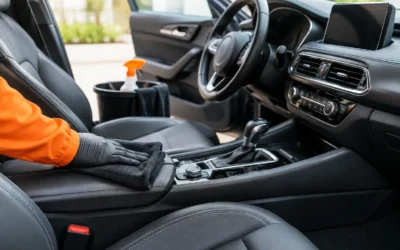
The exterior gets the attention, but a safe, comfortable vehicle also needs a clean windshield, clear mirrors, and tidy interior touchpoints. Use the vacuum area to remove loose debris from the floor mats and seats, especially after muddy sports practices, family trips, or a busy workweek.
Check your wiper blades after the wash. If they leave streaks or chatter across the glass, they may be worn or carrying residue. Clean glass and effective wipers are safety essentials during Frederick’s rain, early-morning fog, and winter weather.
Pay attention to the lower areas of the vehicle, too. Road salt and grime collect around wheel wells, rocker panels, and the underbody. An underbody wash is a practical choice during and after winter, when deicing materials can linger long after the roads look dry.
A Clean Routine Is the Smart Routine
The best automatic wash safety habit is simple: inspect your vehicle, follow the loading instructions, and choose services that match the season and your vehicle’s needs. Most cars are built to handle a professional wash with no trouble, and regular care helps preserve the appearance you enjoy every time you pull into the driveway.
At Fusion Carwash, quality and service come together so you can relax while the details are handled. A little preparation before the tunnel helps make every visit quick, confident, and worth repeating.