Maryland weather gives your vehicle a little bit of everything: road salt in winter, pollen in spring, bug splatter in summer, and wet leaves in fall. A seasonal wash checklist helps you stay ahead of the buildup before it dulls your paint, stains trim, or makes the inside of your vehicle feel neglected. The goal is simple: keep your car looking sharp while protecting the surfaces that take the most abuse.
For Frederick-area drivers, a clean vehicle is not just about appearance. Regular washing helps remove the grime that collects during commutes, school drop-offs, weekend trips, and everyday errands. A few well-timed washes can make a real difference in how your vehicle looks and holds up over time.
Why Your Wash Routine Should Change With the Seasons
Your vehicle does not face the same conditions in January that it does in July. Winter grime can cling to the underbody and wheel wells. Spring pollen settles into every crevice. Summer sun can bake contaminants onto the paint, while fall leaves hold moisture against exterior surfaces.
That is why washing only when your vehicle looks dirty can leave you behind. Some contaminants do their damage before they are easy to see. A seasonal approach gives you a practical schedule for cleaning, protecting, and checking the areas that deserve extra attention.
How often you wash depends on where and how you drive. A daily commuter who travels salted roads or parks outside may need more frequent visits than someone who drives mostly on weekends and parks in a garage. The right routine is one you can keep up with consistently.
Winter: Remove Salt Before It Lingers
Winter is one of the most important times to wash your vehicle in Maryland. Road salt, slush, sand, and brine can collect underneath your car, around the wheels, and along the lower doors. Left alone, that buildup can affect the finish and contribute to corrosion over time.
Wash after a major snow or ice event, especially once roads have been treated. You do not need to wait for a warm, sunny day. A quality wash removes the material that is sitting on your vehicle now, which matters more than waiting for perfect weather.
Give extra attention to the underbody, wheel wells, rocker panels, and lower rear bumper. These areas catch the heaviest spray from wet roads. An underbody wash is especially useful during winter because it reaches places that are hard to clean at home.
If your vehicle has a wax, sealant, or ceramic protection service, winter is when you will appreciate it most. Protection cannot prevent dirt from landing on your paint, but it can make washing easier and help water and grime release more effectively.
Spring: Clear Away Pollen and Winter Leftovers
When the weather starts warming up, your vehicle may look cleaner from a distance while still carrying months of winter residue. Spring is the right time for a more complete reset. Start with a thorough exterior wash, including the underbody if winter road treatments are still fresh in your area.
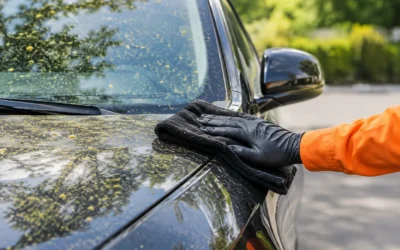
Pollen is also a major factor for Frederick drivers. It settles on paint, glass, trim, and inside door jambs. Pollen may look harmless, but rubbing it with a dry towel can create fine scratches. Wash it away with proper water and wash chemistry rather than trying to dust it off in the driveway.
Spring is also a smart time to refresh the interior. Mud, gravel, damp floor mats, and leftover winter clutter can make a vehicle feel worn out fast. If your schedule is packed, a full-service option can take the work off your hands while you handle the rest of your day.
Spring checklist: focus on the details
As winter turns to spring, make sure your wash routine includes these four areas:
- A complete exterior wash to remove pollen, winter film, and road grime.
- Wheel and tire cleaning to clear brake dust and residue around the rims.
- Interior vacuuming, especially floor mats, seat creases, and cargo areas.
- Glass cleaning and a water-repellent treatment for clearer visibility in spring rain.
Summer: Protect Against Sun, Bugs, and Weekend Miles
Summer brings road trips, construction dust, bug splatter, tree sap, and stronger sunlight. These are the months when a vehicle can go from freshly cleaned to noticeably dirty in a few days. The key is not perfection. It is removing the stuff that can stick, stain, or become harder to clean later.
Bug splatter deserves quick attention. Heat can bake it onto the front bumper, grille, mirrors, and windshield, making it more difficult to remove. If you have just returned from a long drive, washing within a day or two is usually easier on your vehicle than letting the residue sit through a hot week.
Summer is also a good season to maintain paint protection. Wax, sealants, and ceramic protection services can improve shine while helping your exterior handle water, dust, and everyday contaminants. The best choice depends on your budget, how long you plan to keep the vehicle, and how often it is exposed to the elements.
For busy families and commuters, an unlimited monthly plan can make summer upkeep feel far more manageable. Instead of saving every wash for when the vehicle is overdue, you can stop in after a beach trip, a rainy commute, or a dusty weekend without overthinking the cost of each visit.
Fall: Stay Ahead of Leaves and Rain
Fall weather can make a clean vehicle look dirty quickly. Leaves, acorns, rainwater, and damp debris collect around the windshield, wiper area, roof channels, and trunk seams. When wet leaves sit against paint or get packed into drainage areas, they can trap moisture where you do not want it.
A regular wash helps clear this debris before it becomes a bigger cleanup job. Pay attention to the base of the windshield and around door frames, where leaves often gather. If you park under trees, checking these areas weekly is worth the extra minute.
Fall is also the time to prepare for winter. Consider refreshing your exterior protection before salt season returns, and make sure your tires, glass, and lights are clean and easy to see. A tire shine service can give the finishing touch, but the more practical benefit is starting the colder months with wheels and lower panels already cleaned up.
Build a Wash Schedule You Will Actually Use
The best seasonal wash checklist is not the most complicated one. It is the one that fits your life. For many drivers, washing every two weeks is a solid baseline. During heavy pollen, road salt, or frequent rain, weekly washes may make more sense. If your vehicle stays garaged and sees light use, you may be able to stretch the schedule a bit longer.
Think about your service preference, too. An express wash is a great fit when you need a fast exterior clean and want to use free vacuums on your own schedule. Full-service care makes sense when the interior needs attention, the vehicle has been through a messy season, or you simply want to relax while someone else handles the details.
At Fusion Carwash, customers can choose the level of attention that matches the season and the condition of their vehicle. That flexibility matters because a quick pollen cleanup is different from a post-winter reset with underbody washing, interior care, and paint protection.
Do Not Wait for Dirt to Become the Problem
A vehicle does not need to be covered in mud to benefit from a wash. Light film on the paint, salt underneath the body, and pollen around trim can all add up. Regular care keeps each visit simpler, helps preserve the clean look you paid for, and makes getting into your car feel better every day.
Before the next weather shift catches up with you, take a look at your vehicle’s lower panels, wheels, windshield, and floor mats. A timely wash now is easier than dealing with a season’s worth of buildup later.