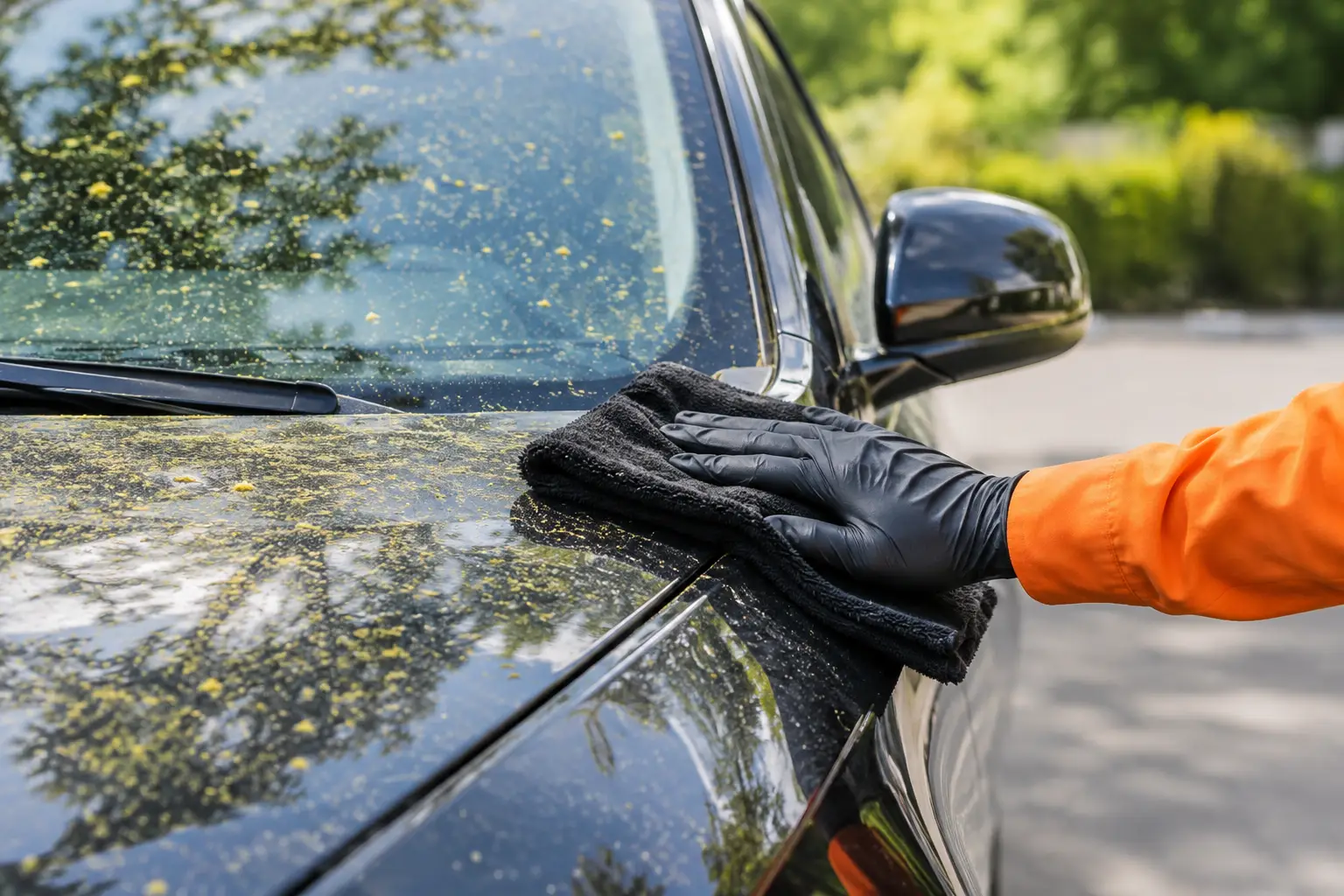
That yellow-green film can cover a clean vehicle overnight during a Frederick-area pollen season. It may look like harmless dust, but the wrong cleaning method can drag gritty particles across clear coat, leave streaks on glass, and turn a quick wipe-down into a bigger paint-care problem. To remove pollen from cars safely, the goal is simple: use plenty of water and lubrication, then let quality wash products do the work.
For commuters, families, and drivers who park outside in Frederick, Urbana, Linganore, Middletown, and Adamstown, pollen cleanup can feel endless in spring. A smart routine keeps the job quick while helping your vehicle retain the clean, protected finish you want.
Why Pollen Should Not Be Wiped Off Dry
Pollen itself is tiny, but it does not land on your vehicle alone. It mixes with road dust, tree debris, bird droppings, moisture, and whatever else has settled on the paint since your last wash. When you rub a dry towel, paper towel, or dusty duster over that layer, those particles can act like fine abrasives.
The result may be light swirls that are hard to notice at first. Look at the paint in direct sunlight, though, and you may see dull-looking circular marks, especially on dark vehicles. Dry wiping also tends to push pollen into the edges around trim, mirrors, emblems, and windshield wipers instead of actually removing it.
Pollen can also become more stubborn after rain or morning dew. Once it gets wet and dries again, it can cling to the surface and leave a patchy residue. That is why waiting for the next storm is not always the easy answer. Rainwater does not provide the controlled rinse and wash chemistry needed to leave paint truly clean.
The Safest Way to Remove Pollen From Cars at Home
If the pollen layer is light and you have access to a proper wash setup, start with a thorough rinse. Use a gentle stream of water to loosen debris from the roof, hood, windshield, trunk, and lower panels. Work from the top down so dirty water does not run back over areas you have already cleaned.
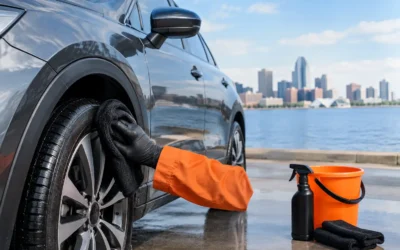
Next, use a car-safe soap mixed according to its directions and a clean microfiber wash mitt. The soap creates lubrication between the mitt and paint, helping loosen pollen instead of grinding it into the finish. Rinse the mitt often. If the wash water looks cloudy or gritty, refresh it before continuing.
Wash one section at a time: roof, glass, hood, upper doors, lower doors, then wheels and tires. Wheels should be last because they hold heavier brake dust and road grime. Using the same mitt on paint after cleaning wheels is an easy way to transfer abrasive particles where they do not belong.
Finish with a clean rinse and dry the vehicle using soft, clean microfiber towels. Pat or gently glide the towel across the surface rather than pressing hard. A drying aid or protective spray can add slickness and make it easier to remove fresh pollen next time.
When a Rinseless Wash Makes Sense
A rinseless wash can be useful when your car has a light coating of pollen, the vehicle is not muddy, and water access is limited. It is not the best choice for a heavily soiled vehicle. If you can see thick pollen buildup, sand, or road film, a full rinse first is the safer option.
Use multiple clean microfiber towels with a quality rinseless solution, changing towels as they become dirty. One towel should not be expected to clean the whole vehicle. The trade-off is convenience versus contamination control: rinseless products are efficient for light dust, but a full wash is better when the surface needs more than a gentle cleanup.
What Not to Use on a Pollen-Covered Vehicle
The fastest-looking fix is often the riskiest one. Avoid brushing pollen away with a household broom, a dry rag, or a paper towel. Household glass cleaner, dish soap, and rough sponges are also poor choices for regular vehicle washing. They may strip protective products, dry out trim, or leave behind their own residue.
Leaf blowers and car dusters can be tempting, especially when the pollen is fresh. A blower may help remove loose debris from grilles, cowl areas, and crevices, but it will not clean the paint. A duster can create scratches if there is any grit in the pollen layer, which is common after a drive or an overnight rain.
Do not forget the windshield wipers. Running them over a dry, pollen-heavy windshield can create smears and wear the rubber edges faster. Rinse the windshield well, clean the blades with a damp microfiber towel, and use washer fluid only after loose pollen has been removed.
Protecting Your Paint Through Maryland Pollen Season
The best pollen strategy is not just washing more often. It is making each wash work harder for your vehicle. A clean, protected surface gives pollen less to cling to and makes routine cleanup faster. Wax, sealants, and ceramic protection can all improve water behavior and surface slickness, though they do not make a car immune to pollen.
The right level of protection depends on your vehicle, parking situation, and maintenance habits. A driver who garages a vehicle and washes regularly may prefer a straightforward wax or sealant. Someone who parks outdoors every day, drives a long commute, or wants longer-lasting protection may see more value in ceramic protection. Protection still needs maintenance, but it can reduce the effort required between deeper cleanings.
During peak season, a weekly wash is a practical target for many Maryland drivers. You may need more frequent rinses if your vehicle sits under flowering trees, collects sticky sap, or gets covered after windy days. There is no need to chase perfection every morning. Focus on removing the buildup before it becomes baked on, while keeping paint safely lubricated.
Pay attention to hidden spots as well. Pollen collects under wiper arms, inside door jambs, around the fuel door, behind license plates, and in the channels near the trunk or hatch. These areas can release yellow streaks after a rain if they are skipped repeatedly.
When a Professional Wash Is the Better Choice
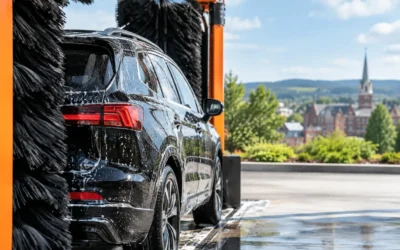
Home washing is a good option when you have the right supplies, space, and time. But spring weather does not always cooperate, and not every driver wants to manage buckets, towels, runoff, and cleanup after a long workday. A professional wash offers a consistent process built to remove surface contamination efficiently.
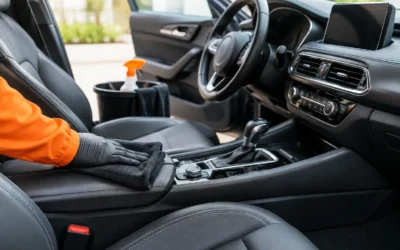
For a heavy pollen coating, choose a wash that includes a proper pre-rinse, quality cleaning chemistry, and drying. If your interior is also carrying pollen from open windows, shoes, backpacks, and kids’ gear, a full-service visit can save time by handling the details inside and out. An express wash is a strong fit when you need a fast exterior reset and want to use free vacuums at your own pace.
At Fusion Carwash, package options make it easier to match the wash to the season and your vehicle’s needs, whether that means a quick exterior clean or added protection for the road ahead. For drivers washing often during spring, an unlimited monthly club can be especially practical. Pollen does not wait for your schedule, and predictable wash access can make regular maintenance feel much easier.
A Simple Pollen Cleanup Routine
If pollen is light, rinse it off before it is rubbed into the paint. If it is heavy or mixed with road grime, choose a full wash rather than a shortcut. Keep microfiber towels clean, avoid dry wiping, and maintain a protective finish so the next cleanup takes less effort.
Your vehicle does not need to lose its shine every time the trees bloom. A careful wash now protects the finish you will appreciate long after pollen season has passed.