A ceramic coating can make your paint look glossy, feel slick, and shed water with less effort. But it is not a force field. To maintain a ceramic coated vehicle, you still need to remove road film, salt, pollen, bird droppings, and everyday grime before they have time to sit on the surface.
For drivers in Frederick, that matters all year. Winter brine, spring pollen, summer heat, and wet fall roads all leave something behind. The good news is that ceramic-coated paint is easier to care for when you follow a consistent, simple routine.
What a Ceramic Coating Does – and Does Not Do
Ceramic protection forms a durable, water-repelling layer over your vehicle’s clear coat. Water tends to bead and roll away, dirt is less likely to bond tightly to the paint, and routine washing becomes more efficient. That clean, glossy look is one of the biggest reasons drivers choose it.
What it does not do is prevent scratches, rock chips, water spots, or contamination forever. Improper washing can still create swirl marks. Hard water can still leave mineral deposits. Road salt can still collect in wheel wells, around trim, and underneath the vehicle. Think of ceramic coating as a strong layer of protection that makes proper maintenance easier, not a reason to skip maintenance.
How to Maintain a Ceramic Coated Vehicle Between Washes
The best habit is simple: do not let contamination build up. If your vehicle is driven daily, especially on Maryland roads in winter or during pollen season, a wash every one to two weeks is a practical target. A vehicle that stays garaged and sees lighter use may need less frequent attention.
Frequency depends on what is sitting on the paint. Bird droppings, bug splatter, tree sap, and fuel spills should be removed as soon as reasonably possible. These substances can be more aggressive than ordinary dust, particularly when the vehicle is parked in direct sun. Ceramic coating gives you extra time, but it should not be treated as permission to wait for weeks.
When you notice light dust or pollen, resist the temptation to wipe it off with a dry towel. Dry wiping drags grit across the surface and can leave fine scratches. A proper wash or a gentle rinse is the safer choice.
Use the Right Wash Process
A ceramic-coated vehicle does best with a wash process that lifts away dirt instead of grinding it into the paint. Start with a thorough rinse to remove loose debris, paying attention to the lower panels, wheels, wheel wells, front bumper, and rear hatch or trunk area. Those spots collect the most road grime.
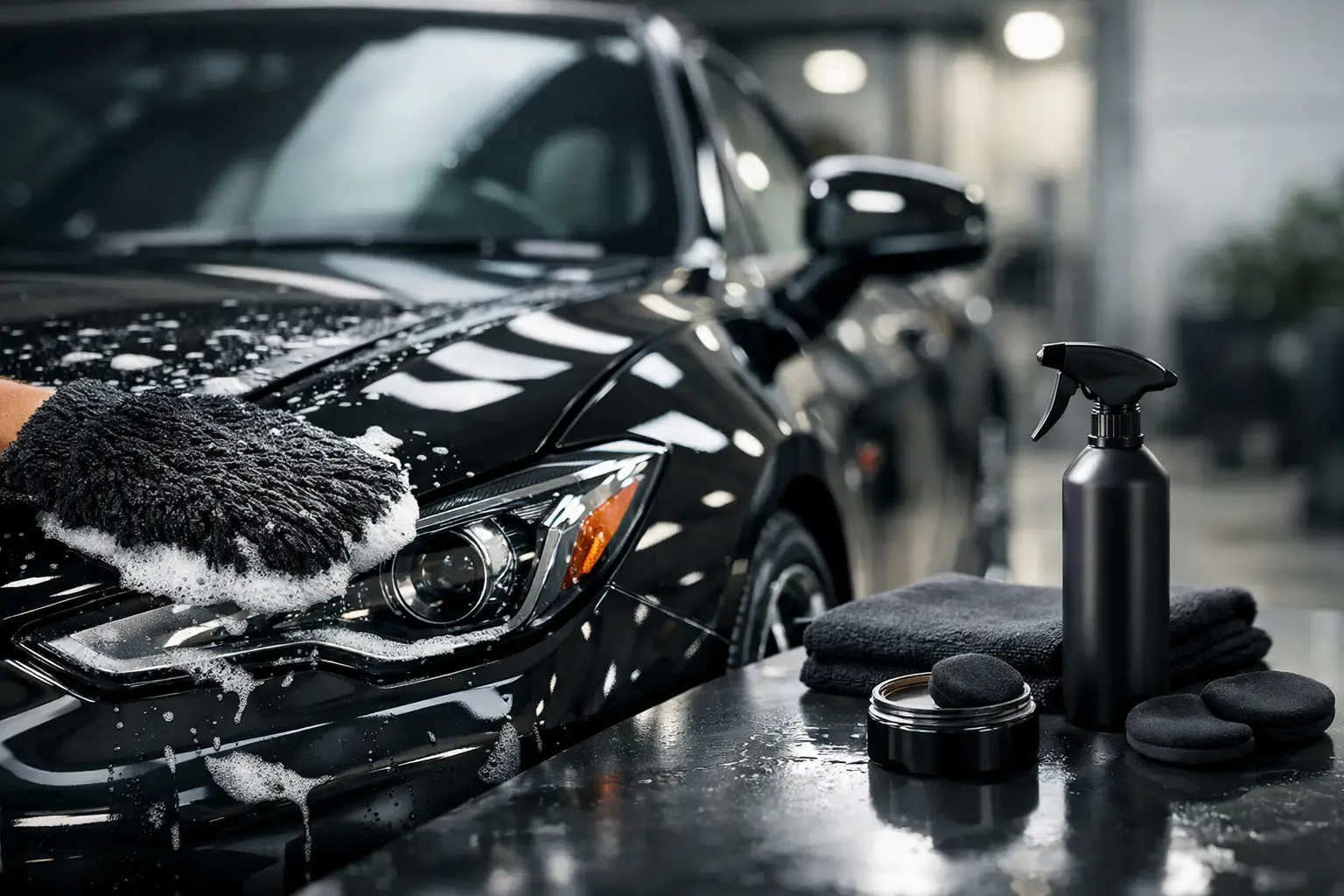
Use a pH-balanced car wash soap when washing by hand. Harsh household detergents may strip away protective maintenance products and leave the surface looking dull. Clean wash mitts, buckets, and drying towels matter just as much as the soap. If a towel hits the ground, set it aside rather than using it on the paint again.
Automatic washes can be a convenient fit for busy commuters and families, but quality matters. A modern wash using vehicle-safe chemistry and well-maintained equipment is a better choice than a neglected tunnel with dirty brushes. Touchless washes reduce physical contact, although they may not remove heavy film as completely. Soft-touch washes can clean more thoroughly, but the equipment must be properly maintained to minimize the risk of marring.
At Fusion Carwash, regular exterior cleaning can help keep the contamination load low, especially for drivers who use an unlimited monthly plan during salt, pollen, or rainy seasons. The key is consistency, not waiting until the vehicle looks heavily soiled.
Do Not Skip the Drying Step
Water spotting is one of the most common frustrations with coated vehicles. The coating makes water bead, but those beads can dry in place and leave minerals behind, especially in warm weather or with hard water.
Whenever possible, dry the vehicle with clean, plush microfiber towels or filtered air. Work from the top down and use light pressure. If water spots appear, address them early with a product designed for automotive water spots. Avoid aggressive scrubbing, since that can damage the finish you are trying to protect.
Keep Wheels, Glass, and Lower Panels Clean
Paint is not the only surface affected by road conditions. Brake dust can bake onto wheels, salt can settle around suspension components, and road film can make glass harder to see through. A well-maintained ceramic-coated vehicle should receive attention in these areas too.
Use wheel cleaners that are appropriate for your wheel finish, and do not use the same mitt or brush on wheels and paint. Wheels are usually the dirtiest part of the vehicle. Cleaning them with separate tools helps keep brake dust and grit away from the body panels.
For glass, use a quality automotive glass cleaner and clean microfiber towels. If your vehicle has water-repellent glass treatment, regular cleaning helps it perform better. Clear windshields and side windows are not just about appearance – they are a real safety benefit during rain, snow, and early morning commutes.
An underbody wash is also worth considering after winter storms or long stretches of salted roads. Ceramic coating protects painted surfaces, but it does not replace the need to rinse corrosive salt from areas beneath the vehicle.
Avoid Products That Leave Heavy Residue
Not every shine product belongs on a ceramic-coated vehicle. Some old-school waxes, oily dressings, and silicone-heavy sprays can leave residue that interferes with the coating’s water behavior. You may notice water no longer beads as cleanly, even though the coating itself is still intact.
Use ceramic-safe maintenance sprays only when they are needed. These products can refresh gloss and water repellency, but more product is not always better. If the paint feels rough or looks dull after washing, it may need a professional decontamination service rather than another layer of spray-on protection.
Be cautious with automatic car wash add-ons as well. A ceramic-safe protectant can be useful, while an unknown heavy wax or dressing may create buildup. If you are unsure, ask what chemistry is being used and whether it is compatible with ceramic protection.
Watch for Signs Your Coating Needs Attention
Water beading is helpful, but it is not the only sign of a healthy coating. A coated surface should generally feel smooth after washing and release dirt more easily than unprotected paint. If water begins to sheet differently, that does not automatically mean the coating has failed. It may simply be covered by road film, minerals, or embedded contamination.
Start with a thorough wash and dry. If performance does not improve, a professional inspection can determine whether the surface needs decontamination, a topper, or more involved correction. This is especially valuable before winter, after a harsh season, or when buying a used vehicle with an unknown protection history.
Parking choices also affect longevity. A garage or covered parking helps limit UV exposure, sap, bird droppings, and standing water. That said, a daily driver parked outside can still look excellent with regular washing and prompt spot cleaning. Real-world maintenance should fit your life, not require a perfect garage routine.
A Simple Seasonal Routine for Frederick Drivers
In winter, wash more often when roads are treated for snow and ice. Focus on lower panels, wheels, and the undercarriage. In spring, rinse pollen before it mixes with rain and forms a stubborn film. Summer calls for avoiding midday washes when possible, since heat speeds up water spotting. In fall, clear leaves and organic debris from cowl areas, window seals, and trunk channels before moisture gets trapped.
The payoff is not just a better-looking vehicle in the driveway. A consistent wash routine helps protect the finish, preserves resale appeal, and makes every drive feel a little more put together. Give the coating the regular care it was designed to support, and it will keep doing the hard work when your vehicle meets the next muddy road, pollen cloud, or winter commute.