That brown bubble at the edge of a wheel well rarely starts as a major repair. It often begins with one winter commute, a little trapped road salt, and moisture left sitting where you cannot see it. The top ways to prevent rust are not complicated, but they do require consistency – especially for drivers around Frederick, where wet roads, changing temperatures, and winter treatment can be tough on a vehicle.
Rust is more than a cosmetic issue. Once corrosion works beneath paint or into a metal seam, it can spread quickly. Regular care helps protect your vehicle’s appearance, resale value, and the components underneath that work hard every day.
Top Ways to Prevent Rust Before It Starts
The best rust prevention plan combines routine washing with quick attention to small problems. One good wash helps, but the real protection comes from keeping contaminants from building up over time.
Wash off salt, brine, and road grime promptly
Salt is one of the biggest reasons vehicles rust in Maryland. Road crews use salt and liquid brine to improve winter driving conditions, but those materials stick to wheel wells, rocker panels, suspension parts, brake components, and the underbody. Add moisture, and corrosion gets the conditions it needs to begin.
After driving on treated roads, do not wait for the car to look dirty. A vehicle can appear fairly clean while salt residue is collecting underneath. Wash it after a storm or after several days of winter commuting, then continue washing regularly while roads are being treated.
The same rule applies beyond winter. Mud, wet leaves, pollen, and grime can hold moisture against painted surfaces. A clean vehicle dries better and gives you a chance to spot damage before it turns into a larger issue.
Make underbody washing part of your routine
Your paint gets attention because you see it every day. The underside of your vehicle needs just as much care because it takes the direct hit from road spray. The undercarriage includes areas that are especially vulnerable to salt and grime, including the frame, exhaust system, suspension, fuel lines, and mounting points.
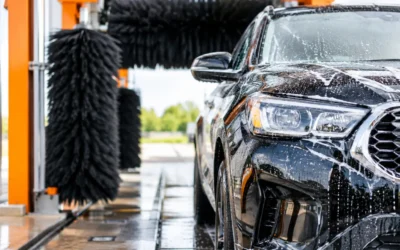
An underbody wash uses targeted water pressure to rinse away buildup in these harder-to-reach areas. It is particularly valuable after winter storms, trips on slushy roads, or a stretch of rainy weather. For commuters and families making frequent school, work, and weekend trips, this is a practical form of preventive maintenance.
There is a balance to keep in mind. High-pressure water is useful for removing buildup, but it should be applied through proper car wash equipment and techniques. Avoid aiming an aggressive home pressure washer at seals, electrical connections, or already-damaged areas without knowing what you are doing.
Keep drain channels and door jambs clear
Water is supposed to move off your vehicle, not sit inside its seams. Door jambs, trunk channels, sunroof drains, and the lower edges of doors can collect leaves, dirt, and debris. When drains clog, water lingers where metal panels overlap, creating the right environment for rust.
During routine cleaning, look around door openings, the trunk lid, hood seams, and the base of the windshield. Wipe out leaves and built-up dirt. If you notice standing water, a musty odor, wet carpet, or water entering the cabin, have the drainage issue inspected instead of hoping it clears on its own.
Protect the paint with wax, sealant, or ceramic protection
Paint is your vehicle’s first line of defense, but it is not invincible. UV exposure, bird droppings, tree sap, road film, and repeated washing gradually wear on its surface. A quality protectant adds a sacrificial layer that makes contaminants easier to remove and helps water bead away.
Wax is a straightforward option for drivers who want periodic shine and protection. Paint sealants generally last longer, while ceramic protection can offer durable water repellency and easier maintenance. The right choice depends on how often you drive, where you park, and how much ongoing upkeep you want to handle.
Protection is not a replacement for washing. Even a well-protected vehicle still needs salt and grime removed. Think of it as making each wash more effective while giving your paint extra support between visits.
Catch Small Paint Damage Early
A rock chip on the hood or a scrape near the wheel arch can expose metal to air and moisture. Left alone, that small spot may turn into peeling paint and visible corrosion. The faster you address it, the easier and less expensive it is likely to be.
Walk around your vehicle every few weeks in good light. Pay close attention to the front edge of the hood, lower doors, wheel wells, roofline, trunk lip, and around the windshield. These areas see a lot of debris, water, and road spray.
For a tiny chip, a properly matched touch-up product may be enough to seal the area. Deep scratches, bubbling paint, bent metal, or rust that has already spread deserve professional body repair. Covering active rust with touch-up paint without removing the corrosion may hide the issue briefly, but it will not stop it from growing underneath.
Keep Wheels and Wheel Wells Clean
Wheel wells are a rust hotspot because they are constantly exposed to water, sand, salt, and gravel. Dirt can pile up behind plastic liners and along the lip of the fender. Over time, that wet debris holds moisture against metal.
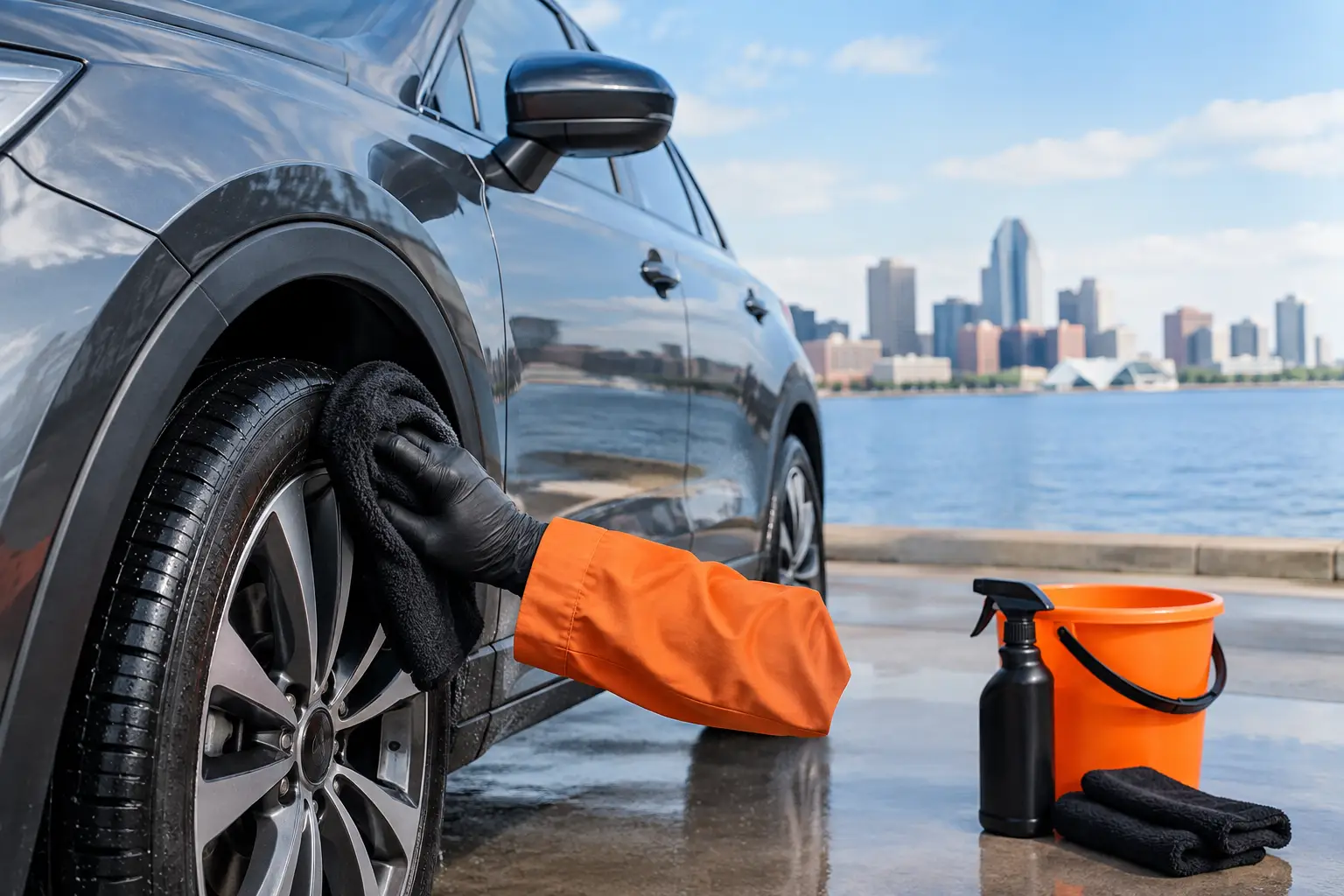
Give wheel wells attention during every wash, especially in winter. Clean wheels matter too. Brake dust and road film can damage wheel finishes, and damaged finishes can eventually corrode. If you notice peeling coating, curb damage, or flaking paint on a wheel, address it before the damage worsens.
Do not forget the spare tire area and mud flaps, if your vehicle has them. These spots can trap debris and are easy to overlook during a quick driveway rinse.
Be Smart About Parking and Storage
Where you park affects how much moisture your vehicle holds. A garage can help, but only when it is reasonably dry and ventilated. Parking a salt-covered car in a warm, closed garage can speed up corrosion if the vehicle stays wet and the salt remains in place.
If possible, wash off winter road treatment before storing your vehicle. For a car that will sit for weeks or months, clean it thoroughly, dry it, and keep it in a dry location. A breathable cover can help protect against dust, but avoid trapping moisture under a cover on a damp vehicle.
Outdoor parking is common and completely manageable. The key is not perfection. It is washing more often after storms, clearing debris from problem areas, and checking the vehicle after long periods of rain or snow.
Build a Wash Schedule That Fits Your Driving
Rust prevention works best when it is part of your normal routine instead of a once-a-year project. During the winter, frequent drivers may benefit from washing every one to two weeks, with extra attention after heavily treated roads. In milder months, the right schedule depends on rain, tree cover, construction dust, and how often the vehicle is driven.
An unlimited wash membership can make that routine easier for drivers who commute daily or manage busy family schedules. At Fusion Carwash, options such as underbody washing and protective finishes help make regular exterior care feel less like another chore on the calendar.
The goal is simple: do not let salt, dirt, and moisture settle in for the long haul. A few consistent minutes of care today can help your vehicle stay cleaner, look sharper, and avoid the kind of rust repair nobody wants to schedule later.