A cup-holder spill, damp floor mats, muddy shoes, and a busy week can make a vehicle feel dirty fast. But can steam sanitize a car interior, or is it simply another way to make surfaces look cleaner? Steam can be a highly effective detailing tool when it is used correctly. It uses heat and low moisture to lift grime from tight areas while helping reduce germs on suitable hard surfaces. The key is matching the process to the material, the mess, and the condition of your vehicle.
What sanitizing with steam really means
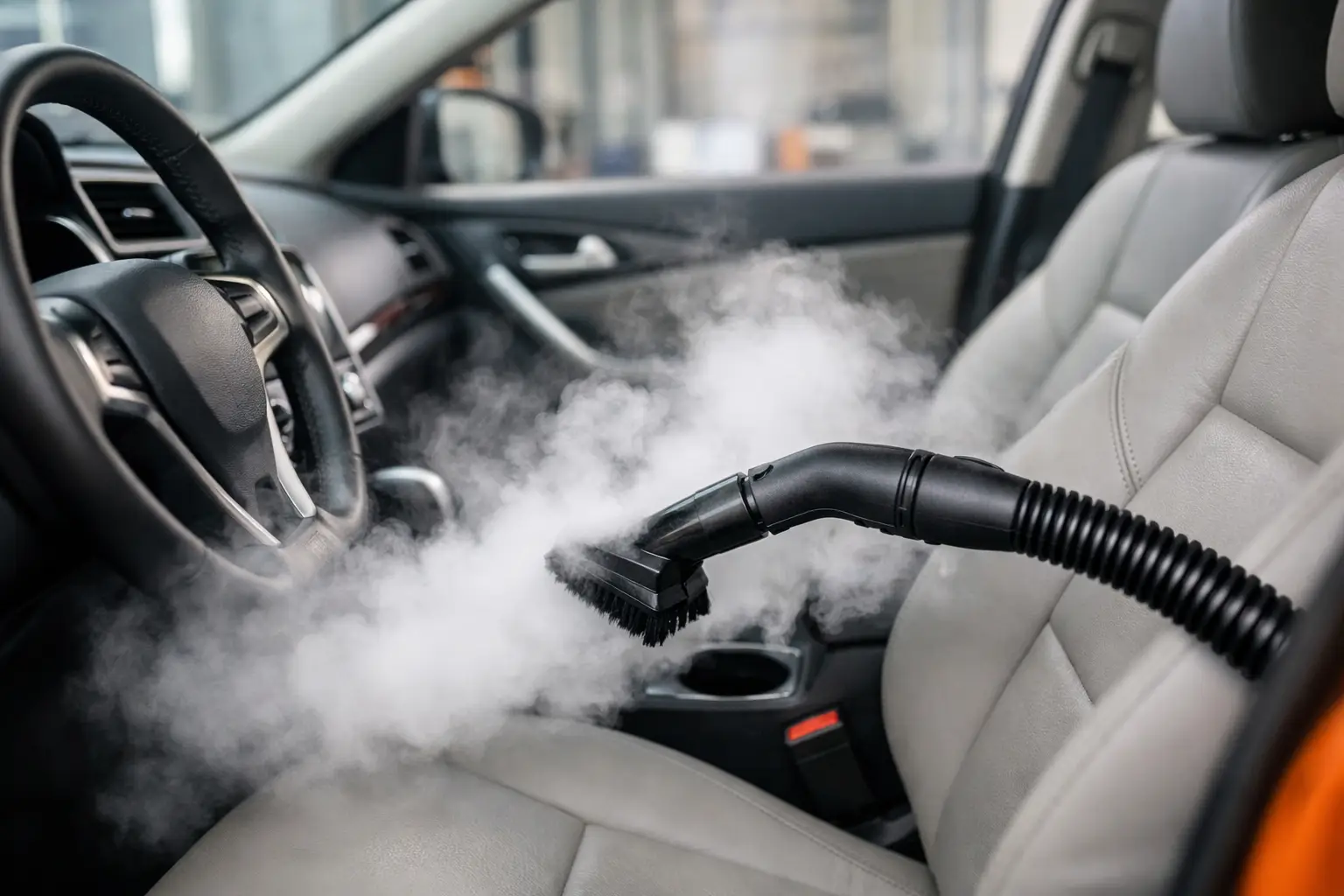
Steam cleaning is not the same as spraying a fragrance or wiping down a dashboard. A quality steam machine produces vapor at a high temperature, which can loosen oils, stuck-on residue, and everyday buildup without soaking the area in water. When the steam reaches a surface for the right amount of time, it can also reduce many common bacteria and germs.
That does not mean every quick pass of a steam wand qualifies as true sanitization. Results depend on the machine’s temperature, how close the nozzle is held, the amount of contact time, and whether the surface has been cleaned first. Dirt, food residue, and oily films can create a barrier between the heat and the surface beneath it.
For that reason, professional detailers use steam as part of a complete interior-care process. Vacuuming, spot treatment, gentle agitation, steam application, and microfiber wiping all play a role. The result is an interior that is visibly cleaner and more refreshed, not just briefly warmed up.
Can steam sanitize car interiors effectively?
Yes, steam can sanitize many areas of a car interior when the surface is heat-safe and the treatment is performed carefully. It is especially useful for hard, textured, and difficult-to-reach areas where conventional cleaning towels cannot reach well. Think around cup holders, door pulls, seat tracks, shifter surrounds, vents, rubber mats, and the small seams in trim panels.
Steam is also valuable because it uses very little water. That matters in a vehicle, where overly wet carpet, headliners, and upholstery can take a long time to dry. Excess moisture can leave odors behind or create problems in areas that are not meant to get wet.
Still, steam is not a cure-all. It will not erase every stain, reverse worn upholstery, or safely clean every surface at maximum heat. A good detailer knows when steam is the right answer and when a different cleaning method will deliver better results.
The areas where steam works best
Hard plastic, sealed vinyl, rubber, metal trim, and durable floor mats are often strong candidates for steam cleaning. These surfaces collect fingerprints, road dust, food splatters, and the grime that settles into small textures. Steam can soften that buildup, allowing it to be lifted away with a clean microfiber towel.
Steam can also help refresh fabric seating and carpet in controlled applications. Instead of saturating the material, the detailer works in small sections and extracts or wipes away loosened soil. This can be particularly helpful after winter, when moisture, salt, and mud from Frederick-area roads find their way into the cabin.
For families, steam is useful around the places that get the most daily use: rear-seat areas, booster-seat footprints, snack zones, and door pockets. For commuters, it can make the steering wheel area, console, and driver-side floor space feel much more cared for after weeks of regular use.
Surfaces that need extra caution
Not every interior material should receive direct, high-heat steam. Leather can dry out or lose its finish if it is overheated. Older vinyl, delicate trim, unsealed wood, glued-on badges, and damaged upholstery may react poorly as well. Screens, buttons, switches, speaker grilles, and electronic controls require careful technique because steam should never be forced into openings.
Headliners deserve special attention. The fabric overhead is usually attached with adhesive, and too much heat or moisture can weaken that bond. Rather than blasting the material, a trained detailer uses a light touch and chooses the safest method for the stain or soil involved.
This is where professional experience matters. The best interior cleaning is not about using the strongest setting everywhere. It is about getting the cleanest result while protecting the surfaces that make your vehicle comfortable and valuable.
Why preparation matters before steam sanitizing
Steam works better on a prepared interior. Before any heat is applied, loose dirt should be vacuumed from carpets, seat seams, floor mats, and storage areas. Trash and personal items need to be removed so the detailer can reach the surfaces that are usually hidden.
Heavy stains may need a dedicated treatment before steam. Grease, makeup, coffee, pet accidents, and road salt all behave differently, so one cleaning method will not handle every problem. Steam can help lift the remaining residue, but it is most effective when it supports the right stain-removal process instead of replacing it.
A clean microfiber towel is also essential. Steam loosens soil, but the towel removes it from the surface. Reusing a dirty towel can spread residue back across the interior, which is why quality detailing relies on clean tools and careful section-by-section work.
Professional steam detailing versus DIY cleaning
A consumer steam cleaner can be useful for light upkeep, especially on rubber mats, plastic trim, and small spills. If you use one at home, start with the lowest practical setting, keep the nozzle moving, and test an inconspicuous spot first. Never hold steam in one place long enough to make a material overly hot or damp.
Professional steam detailing brings more control to the job. Detailers understand which materials can handle heat, how to work around electronics, and when to switch to brushes, upholstery cleaners, extractors, or protectants. They also have the time and equipment to clean the areas that are easy to overlook, including seat rails, vents, door jambs, and console seams.
At Fusion Carwash, add-on steam detailing is a practical option for drivers who want more than a quick wipe-down. It can be a smart choice before a road trip, after a messy season, when buying a used vehicle, or whenever the inside of your car needs the same level of attention as the outside.
How often should you steam clean an interior?
For most drivers, a professional interior steam service a few times per year is enough to support regular maintenance. Families with young children, pet owners, rideshare drivers, and people who spend long hours commuting may benefit from more frequent attention.
The better approach is to watch your vehicle, not just the calendar. If the cabin has lingering odors, sticky touchpoints, visible grime in crevices, or floor mats that never seem clean after vacuuming, it may be time for a deeper service. Between visits, regular vacuuming and wiping down high-touch surfaces can keep the interior in good shape.
Steam cleaning should leave your car better, not just hotter
The value of steam is in the details: cleaner seams, fresher mats, less residue on frequently touched surfaces, and a cabin that feels pleasant when you open the door. It is a powerful tool, but only when it is applied with the right temperature, restraint, and respect for the materials inside your vehicle.
When your car needs a reset, choose care that fits the condition of the interior and the way you use it. A thoughtful steam detail can help you enjoy every mile with a cleaner space for the people who ride with you.