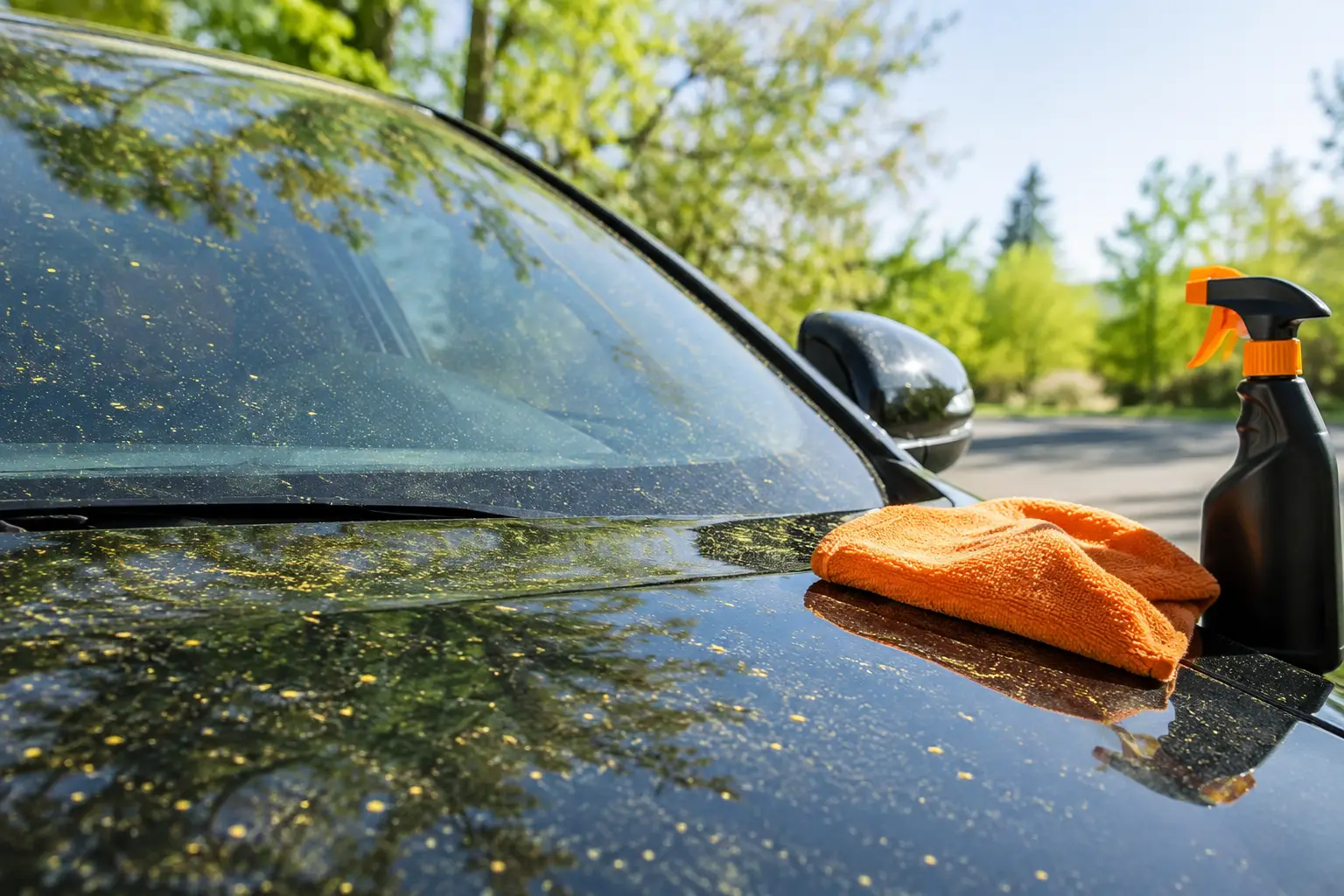
That yellow-green film on your hood may look harmless, but pollen damage paint concerns are worth taking seriously during a Frederick spring. Pollen does not usually ruin a healthy finish overnight. The problem is what happens when it sits, gets wet, bakes in the sun, and mixes with the everyday grime already on your vehicle.
For commuters, busy families, and anyone parking outdoors in Frederick, Urbana, Linganore, Middletown, or Adamstown, pollen season can make a clean car look dusty again in a day. A consistent wash routine keeps buildup from lingering and helps your paint keep the clean, glossy look you paid for.
Can Pollen Damage Paint?
Pollen itself is made up of tiny plant particles, and it is not automatically as harsh as salt, bird droppings, or tree sap. Still, pollen is not something to leave on your vehicle for weeks. Those tiny grains can hold moisture and debris against the surface, especially after a spring rain or a humid Maryland morning.
When pollen mixes with dirt, road film, sap, or pollution, it creates a gritty layer on the paint. Wiping that dry layer away with a towel, sleeve, or dry brush can drag particles across the clear coat. That is where light scratches and swirl marks often start.
Heat adds another concern. A pollen-covered vehicle parked in direct sun can develop a stubborn film that is harder to remove with a quick rinse. It may not be permanent paint damage, but the finish can look dull, hazy, or uneven until it receives a proper wash. On older paint or vehicles without protection, repeated exposure can make that tired appearance more noticeable.
The practical answer is simple: pollen is usually a maintenance issue before it becomes a paint-correction issue. Wash it away regularly, rather than giving it time to build up.
Why Dry Wiping Is the Bigger Risk
The temptation is understandable. Your car is coated in yellow dust, you are headed to work, and a quick wipe seems like the fastest fix. Unfortunately, dry wiping is one of the easiest ways to turn pollen into visible paint marks.
Pollen grains and the dust trapped around them act like fine abrasives. Even a soft microfiber towel can cause swirls if it is used on a dry, dirty panel. The same goes for rubbing a hand across the hood to check how heavy the pollen is. If you can see the layer, treat it as dirt that needs lubrication and rinsing, not as dust that should be brushed away.
A quality wash uses water and appropriate wash chemistry to loosen contamination before the vehicle is cleaned. That process matters because it removes particles rather than pushing them across the paint. It is also why an occasional rainstorm is not a substitute for washing. Rain can wet and redistribute pollen, but it does not reliably rinse away the road grime, oils, and residue underneath it.
Signs Your Vehicle Needs More Than a Quick Rinse
A rinse can be helpful when pollen is fresh and light, but it will not always remove what has settled onto the finish. If the paint still feels rough after rinsing, looks cloudy in direct sunlight, or has streaks around the mirrors, wiper area, and door seams, it is time for a complete wash.
Pay attention to the areas pollen tends to collect. The base of the windshield, the cowl beneath the wipers, around badges, near trim, and along the rear hatch or trunk can hold damp debris longer than the flat panels of the car. These spots are easy to miss at home, and they can keep releasing pollen onto a freshly cleaned surface.
Glass, rubber trim, and wheels need attention too. Pollen residue on the windshield can smear when the wipers are used, especially when mixed with overnight moisture. On wheels, pollen combines with brake dust and road grime, leaving the vehicle looking unfinished even if the body panels are clean.
How Often Should You Wash During Pollen Season?
There is no single schedule that fits every vehicle. If your car stays in a garage, is driven lightly, and pollen levels are moderate, a weekly wash may be enough. If it sits outside, travels daily, or is parked beneath flowering trees, washing every few days can be the better choice during peak season.
Think about the conditions, not just the calendar. A heavy pollen day followed by rain is a good reason to wash sooner. The same is true after a long highway commute, when pollen has mixed with bug residue and road film on the front of the vehicle.
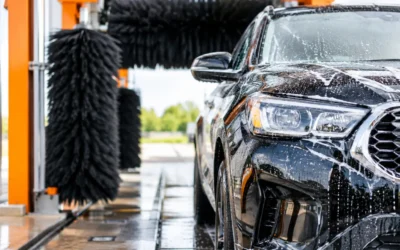
For drivers who wash frequently in spring, an unlimited monthly wash plan can make the decision easier. Instead of putting off a wash because the car will get dusty again, you can keep the finish consistently clean as conditions change. At Fusion Carwash, that means choosing a wash option that fits your routine, whether you need a quick exterior clean or want the interior and exterior handled for you.
How to Prevent Pollen Damage to Paint
The best protection is not complicated. It comes down to removing pollen safely and maintaining a protective layer that makes cleanup easier.
Start with a proper wash rather than a dry wipe. A good wash should rinse away loose contamination before the paint is contacted. This reduces the chance of rubbing grit into the clear coat. If you are washing at home, use clean wash tools, plenty of water, and a car-specific soap. Household cleaners can strip protection or leave residue behind.
Next, make sure the vehicle is dried with clean materials. Letting hard water dry on pollen-covered paint can leave mineral spots and streaks that distract from the shine. A professional wash is especially useful when you want a thorough rinse, cleaner drying, and attention to areas that trap debris.
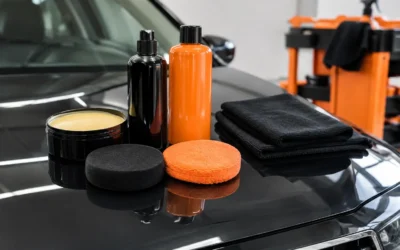
Protection also makes a real difference. Wax, sealants, and ceramic protection do not make your vehicle pollen-proof, and they do not eliminate the need to wash. What they can do is create a smoother, more protected surface so pollen, water, and everyday grime are less likely to cling stubbornly to the finish. The right choice depends on your vehicle, how often it is outdoors, and how much long-term protection you want.
Do not forget the windshield and wiper blades. Clean glass improves visibility, while clean wipers help prevent smearing when spring showers arrive. If pollen has heavily coated your vehicle, avoid running the wipers before the glass has been rinsed or washed.
A Better Spring Routine for Frederick Drivers
Spring in Maryland does not offer many perfectly clean weeks. Pollen is followed by rain, then road spray, then another warm day that brings a fresh coating. Waiting for pollen season to end can leave your vehicle looking neglected for months.
A more realistic approach is to wash after the heaviest buildup, after rain has turned the dust into a film, and before residue has time to sit in the sun. This is not about chasing a spotless car every hour. It is about keeping contaminants from building up and preserving the finish between deeper care services.
If you notice persistent dullness, roughness, or marks that remain after a thorough wash, do not scrub harder. That may be a sign that the vehicle needs more specialized attention than a standard cleaning. Addressing the issue early gives you a better chance of restoring the look without causing additional wear.
Your car works hard through Maryland’s busiest spring days. Give it the same practical care you would give any part of your routine: wash away the pollen safely, keep protection on the paint, and enjoy a cleaner drive every time you pull out of the driveway.