A freshly washed vehicle can look great for an afternoon, then pick up pollen, rain spots, road film, or construction dust on the next drive through Frederick. That is where wax treatment vs paint sealant becomes more than a detailing question. Both add gloss and help your paint shed water and grime, but they deliver different kinds of protection, different looks, and different maintenance schedules.
The right choice depends on how you use your vehicle. A weekend car that is carefully washed may benefit from the warm shine of wax. A commuter, family SUV, or vehicle that spends every day outside may be better served by a longer-lasting paint sealant. Here is how to choose with confidence.
Wax Treatment vs Paint Sealant: The Core Difference
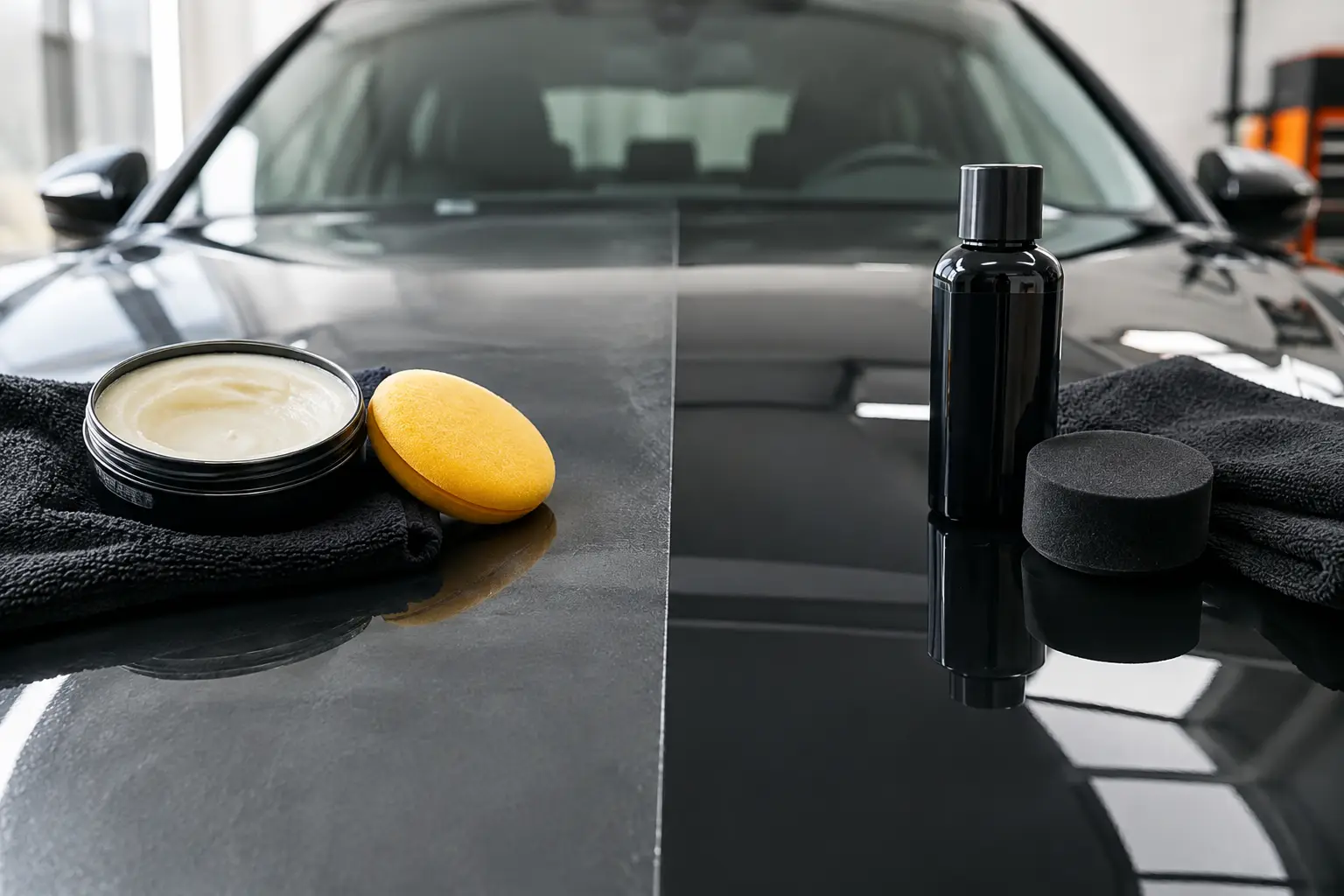
Wax is traditionally valued for appearance. It sits on top of the clear coat, creating a smooth, glossy layer that makes paint look richer and more reflective. Natural waxes often contain carnauba, while many modern wash-applied wax treatments blend natural and synthetic ingredients for easier application and better durability.
Paint sealant is a synthetic protective product, usually made with polymers. It also bonds to the surface of the paint, but it is designed first for durability and resistance. A sealant creates a slick barrier that helps repel water, road grime, bird droppings, tree sap, and other contaminants before they have as much opportunity to cling to the finish.
Neither option makes a vehicle invincible. Protection can be weakened by harsh weather, frequent driving, strong cleaners, automatic brushes, and contaminants left on the paint too long. Still, both treatments give your vehicle a meaningful advantage over bare, unprotected paint.
What a Wax Treatment Does Best
Wax is a popular choice because the visual result is immediate. On darker colors especially, a quality wax treatment can add depth and warmth that drivers notice right away. It also improves water beading, so rain rolls away more easily and the vehicle often looks cleaner between washes.
For drivers who enjoy that freshly detailed appearance, wax can be a great fit. It is especially useful before a special event, a road trip, or a season when you want your vehicle looking its best. Wax also makes regular cleaning easier because dirt and light grime have a smoother surface to release from.
The trade-off is longevity. Depending on the formula, weather exposure, and how often the vehicle is washed, wax may need to be refreshed more frequently than a sealant. That is not necessarily a downside. If you wash regularly and want a rich, high-gloss finish every visit, a wax treatment can be a smart part of your routine.
Choose wax when appearance is the priority
Wax makes sense when your vehicle is garaged often, driven less frequently, or cared for on a consistent schedule. It is also a strong choice for drivers who prefer the look of a deep, polished finish and do not mind refreshing protection more often.
A wash-applied wax treatment is convenient for busy families and commuters because it adds that extra shine without turning car care into a weekend project. You get visible results while the wash team handles the details.
What Paint Sealant Does Best
Paint sealant is built for daily life. It is a practical choice for vehicles that face Maryland rain, summer sun, winter salt, muddy roads, parking-lot dust, and the everyday mess that comes with school drop-offs and work commutes.
Because a sealant is engineered to last longer, it usually provides more durable protection than a traditional wax treatment. The finish tends to feel slick, water beads or sheets away more effectively, and contaminants are easier to remove during future washes. That can help preserve the clean, glossy look of your paint between visits.
Sealants often create a crisp, glassy shine rather than the warmer glow associated with carnauba-based wax. Some drivers prefer that sharp, polished look, especially on newer vehicles, metallic paint, white paint, and silver paint. Others simply appreciate that the protection keeps working after several weeks of normal driving.
Choose sealant when protection and convenience matter most
A paint sealant is usually the better fit for a daily driver parked outdoors, a vehicle that travels heavily, or a household car that has to handle a full schedule. It is also a good option if you want to protect your finish but do not want to think about reapplying a product every few weeks.
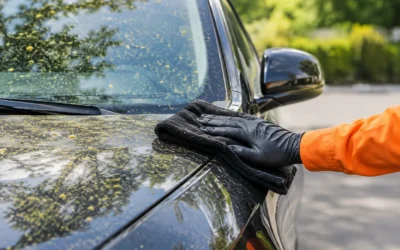
For many Frederick-area drivers, that added durability matters most from late fall through early spring. Road salt and winter grime can build up quickly, and a protected surface is easier to clean. The same applies during pollen season, when yellow dust can settle on every horizontal panel overnight.
Durability Depends on More Than the Product
It is tempting to treat wax and sealant as a simple short-term versus long-term decision. In practice, the condition of your paint and your wash habits matter just as much.
A sealant applied to a clean surface will perform better than one applied over heavy film, embedded contamination, or neglected paint. The same is true for wax. Washing consistently helps remove the materials that can wear down protection, including salt, bug residue, bird droppings, and tree sap.
How and where you park also matters. A garage-kept vehicle will generally hold protection longer than one parked outside under trees or exposed to direct sun every day. If your vehicle is driven on gravel roads, construction routes, or highways during wet weather, expect to refresh protection sooner.
Keep in mind that paint protection does not repair scratches, rock chips, oxidation, or clear-coat failure. Wax and sealant can improve gloss and make fine surface marks less noticeable, but they are maintenance products, not paint correction. If a vehicle has visible damage or dull, heavily oxidized paint, it may need more specialized attention first.
Can You Use Wax and Sealant Together?
Yes, but it is not necessary for every vehicle. Some detailers apply a sealant for durable protection, then add wax on top for extra depth and visual warmth. That approach can give you the best of both worlds, but the wax layer will still need more frequent renewal.
For most drivers, choosing one quality protection service that fits their routine is more valuable than layering products without a plan. If your goal is a rich shine before a gathering or a seasonal refresh, choose wax. If your goal is longer-lasting defense against the elements, choose sealant.
Ceramic protection is another category altogether. Ceramic-based products can offer stronger chemical resistance and longer-lasting performance, depending on the service and formula. They can be an excellent option for drivers seeking elevated protection, but they still require regular washing. No coating eliminates the need to remove dirt, salt, and environmental buildup.
How to Make Either Treatment Last Longer
The simplest way to extend the life of wax or sealant is to wash before grime becomes baked on. Regular washing removes contaminants that dull paint and compromise protective layers. Waiting until the vehicle looks heavily soiled can make cleanup harder and give road film more time to cling to the finish.
Avoid rubbing dry dust or dirt off with a towel. That can create fine scratches in the clear coat, especially on darker paint. When possible, rinse or wash the vehicle first, then dry it with clean materials.
It also helps to address bird droppings, tree sap, and bug residue promptly. These are more than cosmetic issues. Left in place, they can etch or stain the clear coat, particularly in hot weather. Protection gives you more time to remove them, but it should not be treated as a reason to wait.
A consistent wash schedule is often the best value. Drivers who visit regularly can maintain gloss, remove seasonal contaminants, and refresh protective services before the finish starts looking flat. At Fusion Carwash, that means choosing a package and wash routine that matches how your vehicle is actually used, not how you wish you had time to care for it.
The Better Choice Is the One You Will Maintain
Choose wax if you want a warm, freshly detailed shine and enjoy refreshing that look regularly. Choose paint sealant if your priority is durable, low-maintenance protection for a vehicle that works hard every day. Both can make washing easier, help preserve your vehicle’s appearance, and give you more pride when you pull into the driveway.
The next time rain, pollen, or road grime starts taking the shine off your vehicle, do not wait for the finish to look tired. A timely wash and the right layer of protection can keep your car looking cared for through every season.