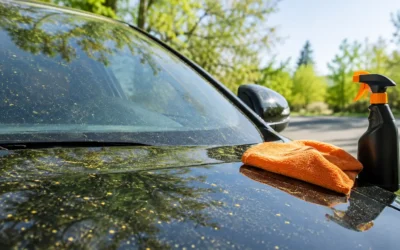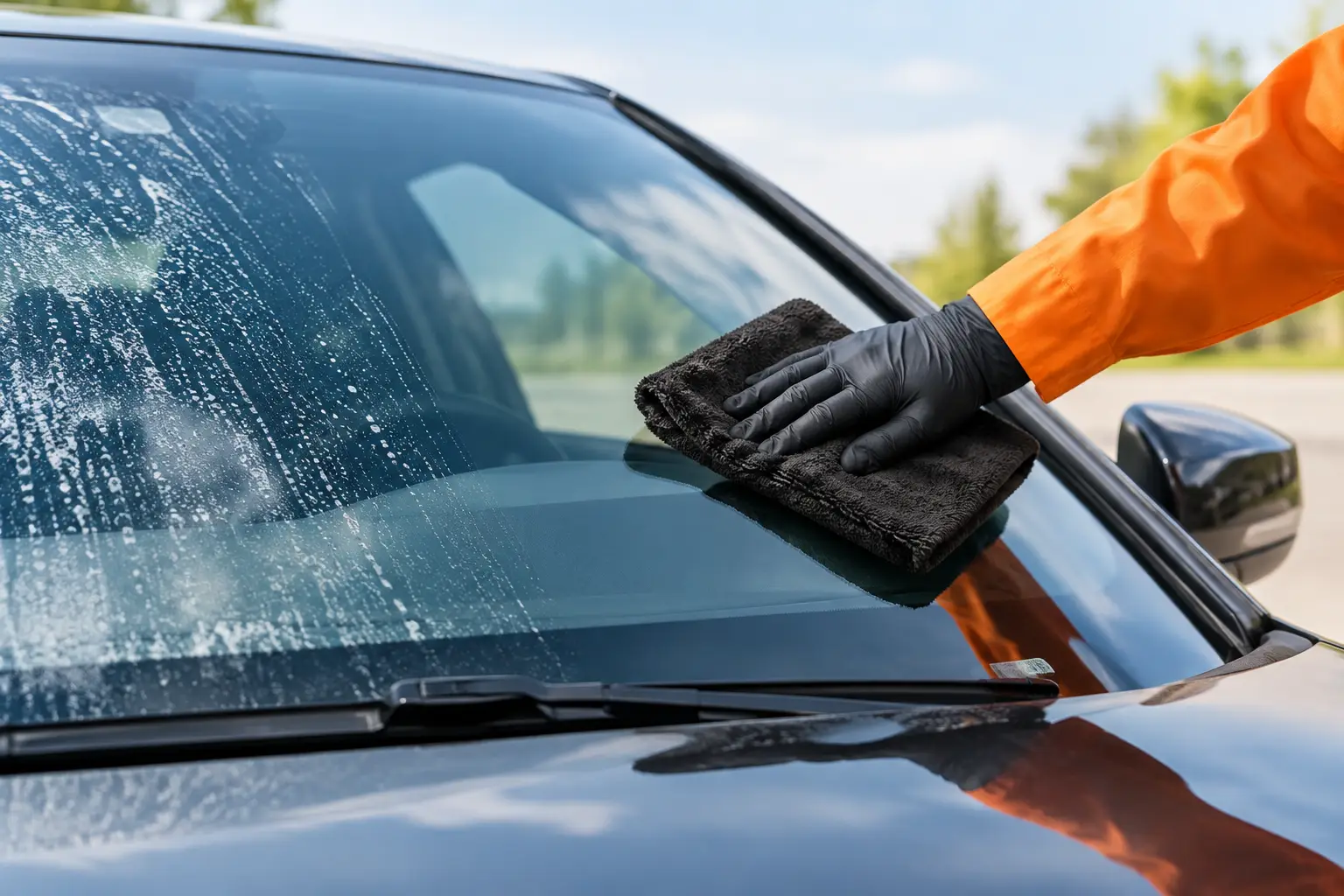
A clean windshield can look perfect in the driveway and still turn hazy the moment the sun hits it on I-70. If you want to keep windshield streak free results that hold up on the road, the answer is not simply using more glass cleaner. It comes down to removing the film that builds up inside and outside the glass, using clean tools, and keeping wipers in good condition.
For Frederick-area drivers, that film can arrive fast. Pollen, rain, road spray, construction dust, de-icing products, and morning condensation all leave something behind. A few simple habits can make every commute clearer and more comfortable.
Why Windshields Get Streaky
Most streaks are caused by residue, not a lack of effort. Glass cleaner can smear when it is applied over oily buildup from dashboard materials, fingerprints, smoke, or interior off-gassing. On the outside, wax overspray, bug residue, mineral deposits, and washer fluid can create the same frustrating haze.
The cleaning towel matters just as much. A microfiber towel that has touched tire shine, dressing, wax, or greasy door jambs can transfer that product right back onto the windshield. Even a towel that looks clean may be carrying detergent residue from the laundry.
Then there are the wipers. Old blades drag rubber residue and trapped grit across the glass every time it rains. A freshly cleaned windshield will not stay clear for long if the blades are dirty, cracked, or hardened by summer heat and winter cold.
How to Keep Your Windshield Streak Free
Start with the right conditions. Avoid cleaning glass in direct sunlight whenever possible. Heat causes cleaner to dry before you can wipe it away, leaving streaks that seem to appear out of nowhere. Early morning, late afternoon, or a shaded area gives you more working time.
Use a glass cleaner made for automotive glass and two clean, dry microfiber towels reserved only for glass. One towel does the cleaning. The second towel buffs the surface dry. That second pass is what removes the faint film that becomes obvious when headlights or low sun shine through the windshield.
Spray the towel rather than soaking the glass, especially inside the vehicle. This gives you better control and helps prevent overspray on the dash, screens, and trim. Work in manageable sections instead of trying to clean the whole windshield at once. Wipe vertically on the inside and horizontally on the outside. If you see a streak later, this pattern helps you tell which side of the glass needs attention.
For stubborn spots, do not keep adding cleaner and rubbing harder. Soften bug residue first with a damp microfiber towel, then clean the area normally. For oily interior film, make a second gentle pass with fresh towel sections. The goal is to lift residue away, not move it across the glass.
Do Not Forget the Inside of the Glass
The interior windshield is easy to overlook because it does not get splashed with mud or rain. Yet it is often the side responsible for the glare you notice at night. Vent airflow, passengers, dashboard materials, and everyday use create a thin layer that can make oncoming headlights bloom across the glass.
Reach the lower corners with a folded microfiber towel or a glass-cleaning tool with a handle. Keep pressure light but consistent. If the windshield is especially hazy, clean it twice, switching to a fresh towel for the final buff. The difference is often most noticeable after dark or during a rainy drive.
Clean Wiper Blades Before Replacing Them
Before buying new wipers, wipe the blades with a clean damp microfiber towel. You may be surprised by the black residue that comes off. Follow with a little glass cleaner on the towel, then wipe the rubber dry. This quick step can improve wipe quality and stop a newly cleaned windshield from looking smeared after the next rainstorm.
Replacement is still necessary when blades chatter, leave lines, skip sections, or have visible cracks. There is no single schedule that fits every driver. Vehicles parked outside year-round and those driven through frequent rain, snow, and highway miles may need blades sooner than a garage-kept vehicle.
When you replace them, clean the windshield first. New blades work best on clean glass, and they can last longer when they are not constantly dragging through grit and residue.
Use Washer Fluid That Matches the Season
Windshield washer fluid is not just water with a little color. The right formula helps dissolve road film and keeps the system working when temperatures drop. In Maryland winters, use a washer fluid rated for freezing conditions. Plain water can freeze in the reservoir or on the windshield, creating a problem exactly when you need visibility most.
During pollen season and wet spring weather, use your washers before dirt builds into a thick layer. A quick spray and wipe is easier on the blades than making them scrub a dry, dirty windshield. If your washer fluid leaves heavy smears, the issue may be old fluid, contaminated nozzles, worn blades, or a windshield that needs a deeper cleaning.
Keep the reservoir topped off before a long drive. It is a small detail, but it matters when salt spray or slush from surrounding traffic suddenly coats the glass.
Avoid the Habits That Create Streaks
A few common shortcuts create more work later. Household glass cleaners may contain ingredients that are not ideal for automotive interiors, tint, or nearby trim. Paper towels can lint, tear, and leave fine fibers behind. Dirty wash mitts or general-purpose towels can spread wax and dressing residue across the glass.
Be careful with spray waxes, tire shine, and interior protectants around the windshield. These products are useful in the right places, but overspray is a frequent cause of exterior haze and interior glare. Apply them to an applicator or towel first when working near glass.
Also, resist using the wipers as a dry-cleaning tool. If the windshield is dusty, sandy, or covered with pollen, rinse or use washer fluid first. Dry wiping can grind debris into the glass and wear down the blades faster.
Add Glass Care to Your Regular Wash Routine
The easiest way to maintain clear glass is to avoid waiting until it becomes a safety issue. Include the windshield, side glass, mirrors, and rear window in every wash routine. A full exterior clean removes the road grime that wipers and washer fluid cannot handle well on their own.
Protection can help, but it is not a substitute for cleaning. Water-repellent treatments improve the way rain beads and moves off the windshield, which can make wet-weather driving more comfortable. Their performance depends on the product, the condition of the glass, weather exposure, and how often the vehicle is washed. They need to be reapplied over time, particularly on vehicles that spend most days outdoors.
At Fusion Carwash, professional wash options can help remove the daily buildup that makes glass look dull, while protective services support a cleaner-looking finish between visits. For frequent drivers, keeping up with routine washes is usually easier than trying to correct months of film in one afternoon.
Know When It Is More Than a Cleaning Problem
If streaks return immediately after a careful cleaning, look beyond the glass cleaner. Worn wiper blades, a damaged wiper arm, clogged washer nozzles, or a windshield with etched mineral deposits can all be part of the problem. Chips and cracks can also scatter light, creating glare that feels similar to haze.
Hard-water spotting is especially stubborn. If ordinary glass cleaner does not remove white or cloudy marks, avoid aggressive scrubbing or abrasive household products. Automotive glass may need a dedicated spot-removal treatment or professional attention, depending on the severity.
Clear visibility is one of the simplest forms of vehicle care, but it makes a real difference every time you drive. Give your windshield a clean towel, clean blades, and a few extra minutes of attention before the next rainy commute. The road will look better for it.