A car can lose value long before it has a major mechanical problem. In Frederick, rain, winter road salt, pollen, tree sap, parking-lot dings, and daily commuting can all leave their mark. The best ways to preserve car value are usually simple, repeatable habits that protect the vehicle’s appearance, condition, and maintenance history before small issues become expensive ones.
A clean, well-kept vehicle also makes a difference when it is time to trade in, sell privately, or hand it down to a family member. Buyers notice the details. So do appraisers. Here is where your time and car care budget can make the biggest difference.
The Best Ways to Preserve Car Value Start Early
The first few years of ownership are when good habits matter most. A newer car with neglected paint, stained upholstery, scratched wheels, and missing service records may still run well, but it will not present as well as a comparable vehicle that has been consistently cared for.
You do not need to treat every vehicle like a show car. The goal is to prevent avoidable wear and keep the car looking like it has been respected. Regular washing, prompt repairs, smart parking, and routine maintenance all work together to protect resale value.
Wash away the damage you can see and the damage you cannot
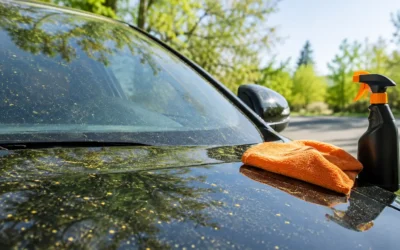
Road grime is not just an appearance problem. Salt, brake dust, bird droppings, bug residue, and tree sap can cling to exterior surfaces and gradually damage clear coat, paint, trim, and wheels. During Maryland winters, salt and brine can also collect underneath the vehicle, where corrosion is easier to miss.
Wash your car consistently, especially after winter weather, long highway drives, or weeks with heavy pollen. There is no single schedule that fits every driver. A garage-kept car that is driven occasionally may need less attention than a daily commuter parked outside. Still, waiting until the vehicle looks noticeably dirty is often waiting too long.
A quality wash should clean the paint, wheels, and lower body panels, while an underbody wash is especially useful after salty road conditions. Drying matters, too. It helps reduce water spots and leaves the finish looking clearer and better cared for.
Protect the paint, not just the shine
Paint protection makes washing more effective and helps the exterior hold up against the elements. Wax, sealant, and ceramic protection each offer different levels of durability and cost, so the right choice depends on how you drive, where you park, and how long you plan to keep the car.
Wax can be a good option for drivers who want a polished finish and are comfortable refreshing protection more often. Sealants typically last longer, while ceramic protection offers stronger, longer-lasting defense against contaminants and makes routine cleaning easier. None of these products make paint invincible, but they add a valuable barrier between your finish and daily exposure.
If your car lives outdoors, sits under trees, or sees a lot of commuting miles, investing in protection can be particularly worthwhile. The trade-off is upfront cost, but preserving a clean, glossy finish can pay back when an appraiser or buyer sees a vehicle that still looks fresh.
Keep the Interior Ready for the Next Owner
The interior tells a story about how a car was used. Crumbs and dust are normal, but lingering odors, embedded pet hair, stained seats, sticky cup holders, and cracked trim can make a vehicle feel older than it is. Those concerns often lead buyers to assume other maintenance was ignored too.
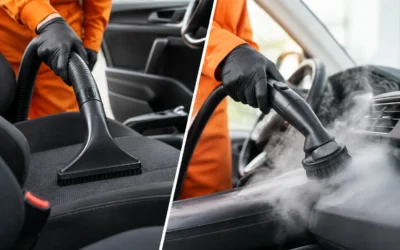
Make cleanup part of your regular routine rather than a once-a-year project. Vacuum carpets and seats, wipe down touch points, and remove trash before it accumulates. For families, keeping a small trash bag and microfiber cloth in the vehicle can prevent everyday messes from becoming permanent stains.
Leather and vinyl need attention as well. Heat and sunlight can dry out surfaces, while sunscreen, spills, and daily use can leave residue behind. Use products designed for the material in your vehicle, and avoid harsh household cleaners that can discolor or damage interior finishes.
Odors deserve quick attention. A spilled drink, wet floor mat, or forgotten gym bag can create smells that are difficult to remove later. Address the source right away, dry damp areas completely, and consider professional interior detailing when the vehicle needs deeper care.
Limit sun and parking-lot wear
Where you park has a real effect on condition. Whenever practical, choose a garage, covered area, or shaded space that does not leave the car under a sap-dropping tree. Prolonged sun exposure can fade paint, haze headlights, dry out trim, and heat the interior enough to stress materials over time.
Parking farther from busy store entrances can also reduce the odds of door dings and cart damage. It is not always convenient, and nobody can avoid every scratch, but small choices add up over years of ownership. If damage does happen, take care of it promptly. A tiny paint chip can allow moisture to reach metal, while a windshield chip can spread into a larger crack.
Stay Current on Mechanical Maintenance
A spotless exterior cannot make up for neglected maintenance. Oil changes, tire rotations, brake service, fluid checks, and manufacturer-recommended inspections protect both the vehicle and its resale appeal. More importantly, they help you catch issues while repairs are usually smaller and less disruptive.
Follow your owner’s manual rather than relying on one-size-fits-all advice. Modern vehicles have different service intervals, and your driving patterns matter. Frequent short trips, heavy traffic, towing, and extreme temperatures can be harder on a vehicle than mostly highway miles.
Keep every receipt and service record you can. Digital records are helpful, but save paper invoices or store photos of them in a dedicated folder as backup. A complete maintenance history gives a future buyer confidence and can support a stronger trade-in conversation.
Pay attention to warning lights, unusual sounds, vibrations, leaks, and changes in how the car drives. Delaying a repair may save money for a few weeks, but it can lead to more damage and a lower-value vehicle later. This is especially true for tires, brakes, suspension concerns, and check-engine lights.
Avoid Modifications That Narrow Your Buyer Pool
Personalizing a vehicle can be fun, but it is worth considering resale before making major changes. Loud exhaust systems, heavily tinted lights, oversized wheels, altered suspension, custom wraps, and aftermarket electronics may appeal to a small group of buyers while turning away everyone else.
That does not mean all upgrades are a bad idea. Quality accessories that improve usefulness, such as all-weather floor mats or a practical cargo organizer, may help protect the original interior. The safest approach is to keep original parts when possible and avoid modifications that affect reliability, safety, or local legal requirements.
Mileage also matters, but it is not the whole story. You should use the car you own. A well-maintained vehicle with reasonable mileage often brings more confidence than a low-mileage vehicle with faded paint, neglected tires, and no maintenance documentation.
Build Car Care Into Your Routine
Consistency is easier when care fits your schedule. A monthly wash plan can make sense for commuters and families who want to keep up with road film, pollen, and everyday mess without thinking twice about the cost of each visit. Occasional drivers may prefer to wash after weather events or before longer trips.
At Fusion Carwash, drivers can choose a quick express wash with free vacuums or full-service attention when the interior and exterior both need extra care. The right service is the one you will use consistently, because repeated protection is what keeps a car looking its best over time.
Your vehicle does not need to be perfect to hold its value well. Keep it clean, protect the finish, handle small problems early, and save the proof that you have maintained it. When the day comes to sell or trade, those everyday choices will be easy for the next owner to see.