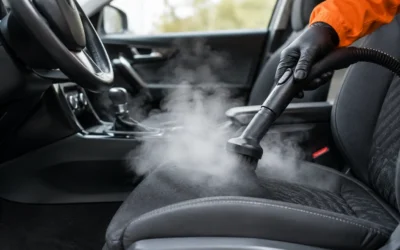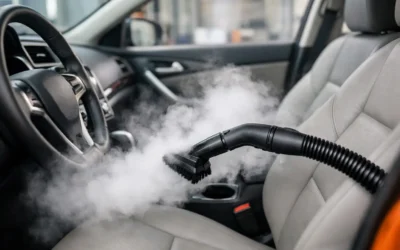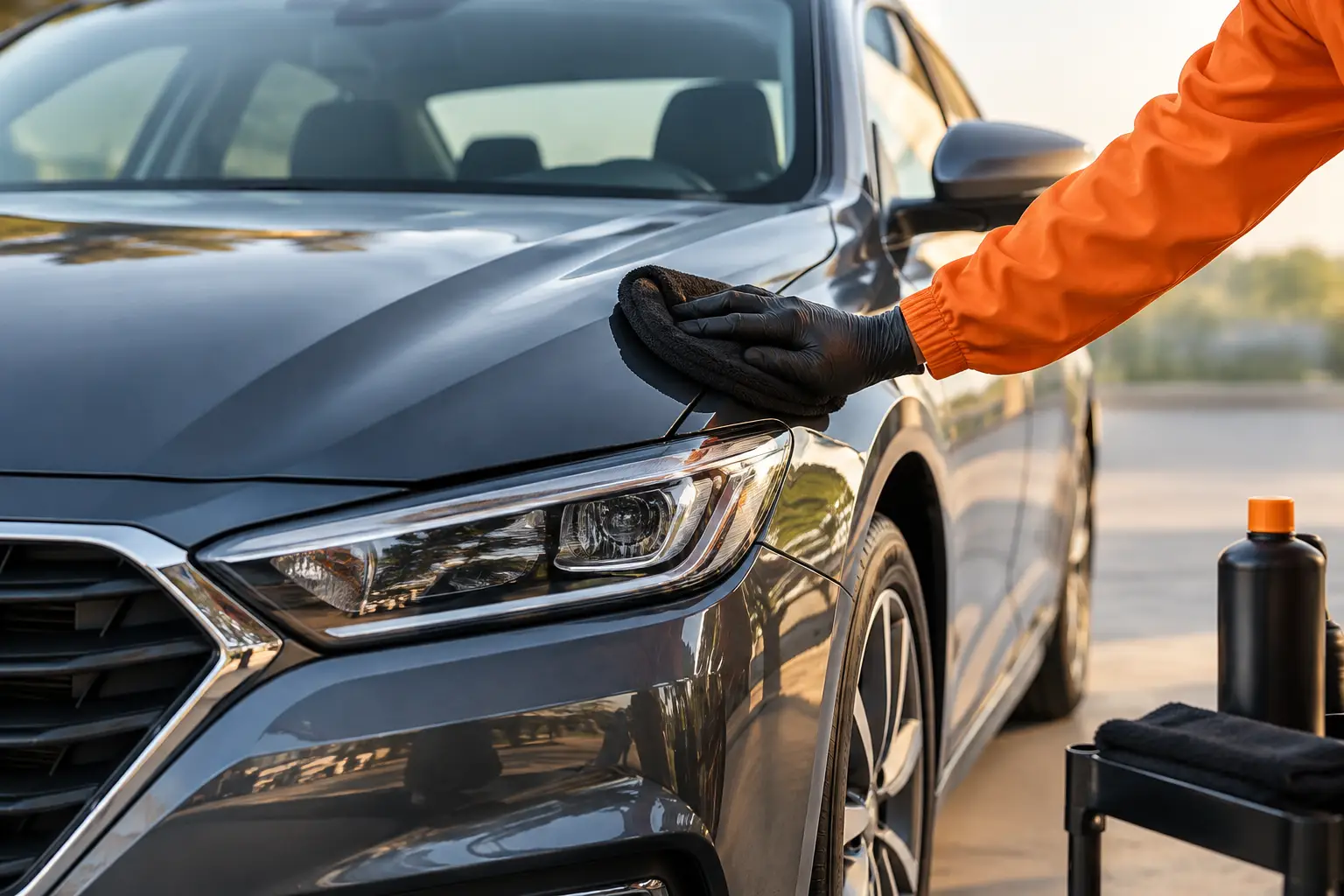
That fresh-off-the-lot shine can make any driver want to protect it immediately. So, should new cars get waxed? In most cases, yes – but the best timing and product depend on the vehicle’s paint condition, how it is stored, and the kind of protection you want.
A new car does not leave the dealership without paint protection. Modern factory clear coats are durable and glossy. Still, they face the same daily threats as every other vehicle in Frederick: sun, rain, pollen, bird droppings, tree sap, road salt, brake dust, and the grime that builds up during a busy commute. Wax is not required the day you bring a car home, but adding a quality protective layer is a smart way to help that new finish stay easier to clean and better looking over time.
Should New Cars Get Waxed Right Away?
A new vehicle can be waxed right away if it has its original factory paint. Factory paint has already completed its curing process long before the car reaches a dealership, so there is no waiting period for a traditional wax, paint sealant, or ceramic protection service.
The exception is fresh bodywork. If a bumper, panel, or other area was repainted before delivery or repaired after purchase, that paint may need time to cure before wax or sealant is applied. The body shop that performed the work should provide the right timeline, which is often several weeks or longer depending on the paint system.
There is also a practical reason not to rush blindly. A car that looks new may have collected rail dust, transport film, dealership wash marks, or light contamination during shipping and preparation. Applying protection over a dirty surface can lock in what should have been removed first. A proper wash and paint inspection give the product a clean surface to bond to.
What Wax Actually Does for New-Car Paint
Wax adds a sacrificial layer over clear coat. It does not make paint invincible, but it helps reduce the direct impact of contaminants and makes routine washing more effective. Water tends to bead or sheet away more easily, and dirt is less likely to cling as stubbornly to a protected surface.
For a new car, the visible benefit is usually the first thing owners notice. Wax can deepen color, sharpen reflections, and create that smooth, freshly detailed look. The less obvious benefit is maintenance. When pollen, mud, bugs, and road film do not grip the paint as tightly, a regular wash can do more of the work without aggressive scrubbing.
That matters around Frederick, Urbana, Linganore, Middletown, and Adamstown. Spring pollen can coat a vehicle quickly. Summer sun bakes contaminants onto paint. Fall leaves and sap create their own problems, while winter roads bring salt and slush. Consistent washing paired with protection helps prevent everyday buildup from becoming a bigger paint-care issue.
Wax will not prevent rock chips, door dings, deep scratches, or damage from neglect. It is a maintenance product, not armor. But for drivers who want their new car to keep its gloss without turning weekend car care into a second job, it is a worthwhile part of the plan.
Wax, Sealant, or Ceramic Protection?
The word “wax” is often used as a catch-all, but not all paint protection works the same way. Choosing the right option comes down to how long you want the protection to last, the look you prefer, and how often you wash your vehicle.
Traditional carnauba wax is known for a warm, rich shine, especially on darker colors. Its trade-off is durability. Depending on weather, washing habits, and where the car is parked, wax may need to be refreshed more often than synthetic protection.
Paint sealants are synthetic products designed for longer-lasting protection. They often provide strong water behavior, a bright finish, and more durability than a conventional wax. For a daily driver that sees regular mileage, parking lots, and changing Maryland weather, a sealant can be a practical middle ground.
Ceramic protection generally offers the longest-lasting option of the three when it is professionally applied and properly maintained. It creates a durable protective layer that supports easier cleaning, water repellency, and resistance to common environmental contaminants. It does not mean the car never needs washing, and it does not eliminate the risk of scratches or chips. It does mean routine care can become easier, especially for owners who want long-term protection from the start.
There is no single right answer for every new vehicle. A leased commuter car may benefit from regular washes and a dependable sealant. A family SUV exposed to daily school runs, sports practices, and road trips may be a great candidate for ceramic protection. A weekend vehicle that spends most of its time in a garage may only need periodic wax and careful washing.
Start With a Clean Surface, Not Just a Shiny One
Protection works best when paint is clean and free of bonded contaminants. That is why a quick rinse in the driveway is not always enough preparation. Road film, mineral deposits, insect residue, and tiny particles from transportation can remain on the surface even when the vehicle appears clean.
A professional wash process removes the visible grime first, while appropriate cleaning products help address the residue that normal soap may leave behind. If the paint feels rough after washing, it may need more preparation before protection is applied. A smooth surface is a good sign that wax, sealant, or ceramic protection has a better foundation.
Avoid using household cleaners, dish soap, or abrasive sponges on a new car. Dish soap can strip existing protection, while rough materials can create fine swirl marks in clear coat. Use vehicle-safe wash chemistry and soft, clean materials. The goal is simple: clean the paint without trading dirt for scratches.
How Often Should a New Car Be Protected?
The answer depends more on use than age. A new car that sits outdoors every day needs more attention than one parked in a garage. A vehicle driven on Highway 15 or I-70 through all seasons will collect more road film than a lightly used second car. Dark paint also tends to show contamination and swirl marks sooner, even though every color benefits from protection.
For traditional wax, plan on refreshing it every few months or when water no longer beads and the finish starts to feel less slick. Sealants can often last longer, while ceramic protection follows its own maintenance schedule. Regular washing is still essential regardless of which option you choose.
The easiest routine is the one you can actually keep. Many drivers find that an unlimited monthly wash plan makes it easier to remove pollen, salt, and daily grime before they have time to sit on the paint. At Fusion Carwash, protection-focused wash options can help new-car owners maintain that just-cleaned look while fitting car care into a normal week.
Common New-Car Waxing Mistakes
One mistake is assuming a new car is too new to need protection. New paint may be durable, but it is not protected from bird droppings, tree sap, UV exposure, or winter road treatment simply because the vehicle has low mileage.
Another is applying product over contamination or existing swirl marks. Wax can enhance gloss, but it may also make imperfections more noticeable under direct sunlight. If the paint needs correction, cleaning and polishing should happen before a long-lasting protectant is added.
Over-applying is also a problem. More wax does not equal more protection. Thick layers are harder to remove, can leave residue in trim and panel gaps, and may produce an uneven finish. A thin, even application is the better approach.
Finally, do not wait for paint to look dull before caring for it. Protection is most useful when it is maintained before contaminants have a chance to bond, stain, or wear down the clear coat.
A new car is one of the easiest vehicles to protect because its finish is starting from a strong place. Keep it clean, choose protection that fits how you drive, and make regular care part of the ownership routine. A few thoughtful wash decisions now can help that first-day shine feel less temporary.