Car wrap cost usually depends on your vehicle size, wrap material, design complexity, and whether you choose partial wraps or a full wrap. As a general ballpark, many full car wraps fall somewhere around a few thousand dollars, while specialty finishes like carbon fiber, chrome, or metallic vinyl can cost more because they require more expensive material and more detailed labor. J.D. Power notes that full car wraps often land around $2,000 to $4,000, while high-end finishes can climb much higher.
At Fusion Car Wash, I know a vehicle wrap is not just about changing your car’s appearance. It is an investment in style, brand visibility, and sometimes paint protection. That is why proper care matters just as much as the professional installation itself.
Whether you are wrapping a compact sedan, a luxury vehicle, a work truck, or an entire vehicle for your business, the final price can change quickly. The best way to avoid sticker shock is to understand what affects wrap cost before you ask for a free quote.
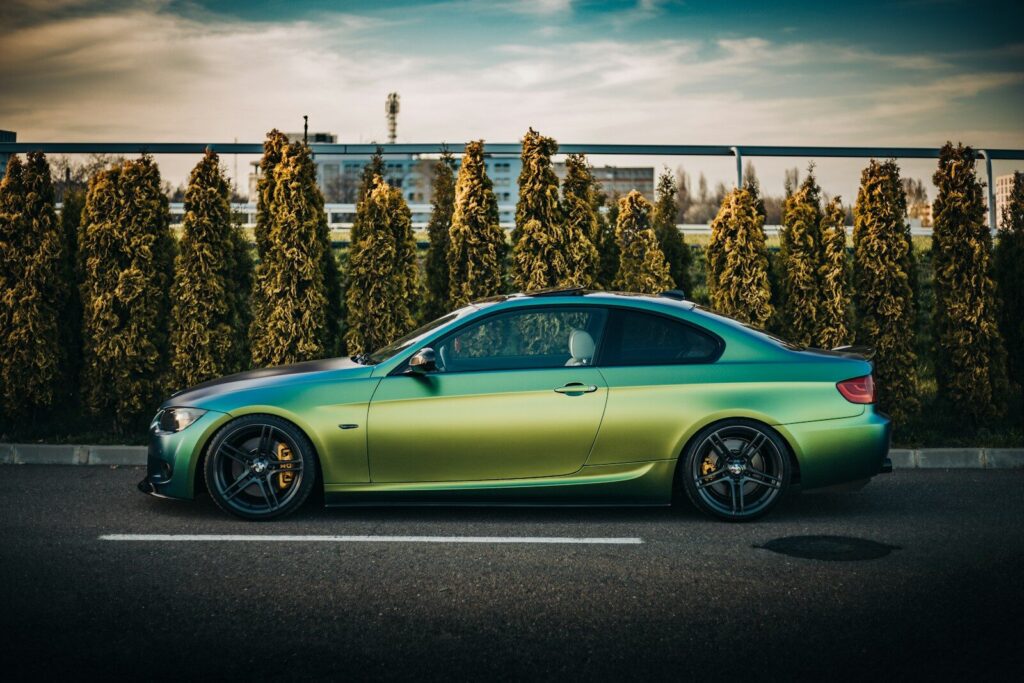
What Is a Car Wrap?
A car wrap is a layer of vinyl material applied over a vehicle’s original paint to change the look of the car, add custom designs, or help protect the paint underneath.
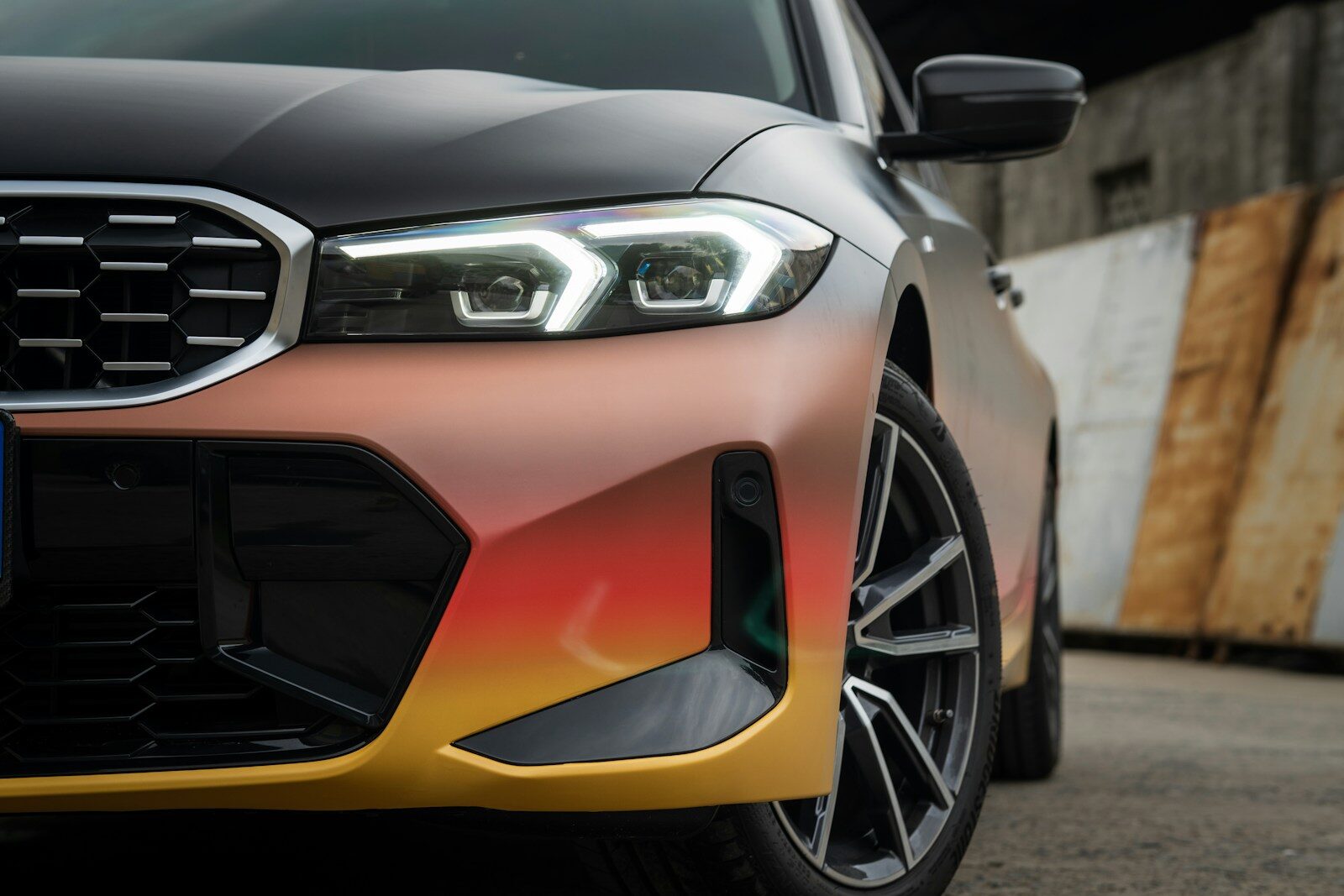
Car wraps can cover a small section of the car or the entire vehicle. Some drivers choose a solid color vinyl wrap to refresh their car’s appearance. Others choose intricate patterns, carbon fiber finishes, or graphics that turn a business vehicle into a mobile billboard.
A vehicle wrap is different from a paint job because it is not permanent. When installed correctly and removed professionally, a wrap can help maintain the original paint underneath. That is one reason wraps are popular with car enthusiasts, small business owners, fleet managers, and drivers who want a new look without committing to repainting the vehicle.
What Factors Affect Car Wrap Cost?
Car wrap cost is affected by vehicle size, wrap material, design complexity, labor costs, surface condition, and the type of professional wrap you choose.
The more surface area your installer needs to cover, the more vinyl material and labor the job requires. Larger vehicles, trucks, SUVs, vans, and vehicles with complex curves usually cost more than a compact sedan.
Here are the biggest factors that can change the final price.
Vehicle Size And Surface Area
Vehicle size is one of the biggest cost factors. A small car usually requires less vinyl than a large SUV, truck, or fleet vehicle.
A larger vehicle has more surface area, which means more material, more time, and more labor. Door handles, mirrors, body kit details, bumpers, trim pieces, and complex curves can also make the installation more detailed.
Wrap Material And Material Quality
Not all wrap material is the same. Standard gloss vinyl is usually more affordable than specialty finishes like matte, satin, chrome, metallic, textured, or carbon fiber.
Higher material quality can cost more upfront, but it may offer better durability, better color consistency, and a more flawless finish. Cheap vinyl material can save money at first, but improper installation or poor-quality material may lead to peeling, bubbling, fading, or early wrap removal.
Wrap Complexity And Custom Designs
Simple, solid color wraps usually cost less than complex designs. If you want custom graphics, brand visibility, intricate patterns, specialty finishes, or a full commercial vehicle wrap, design and installation time can increase.
For business owners, a custom vehicle wrap can be a fantastic way to turn a car, truck, or van into a mobile billboard. But detailed artwork, file setup, proofing, and installation can add to the total wrap cost.
Labor Costs And Professional Installation
Labor costs are a major part of vehicle wrap pricing. Professional installation takes skill, patience, and the right tools.
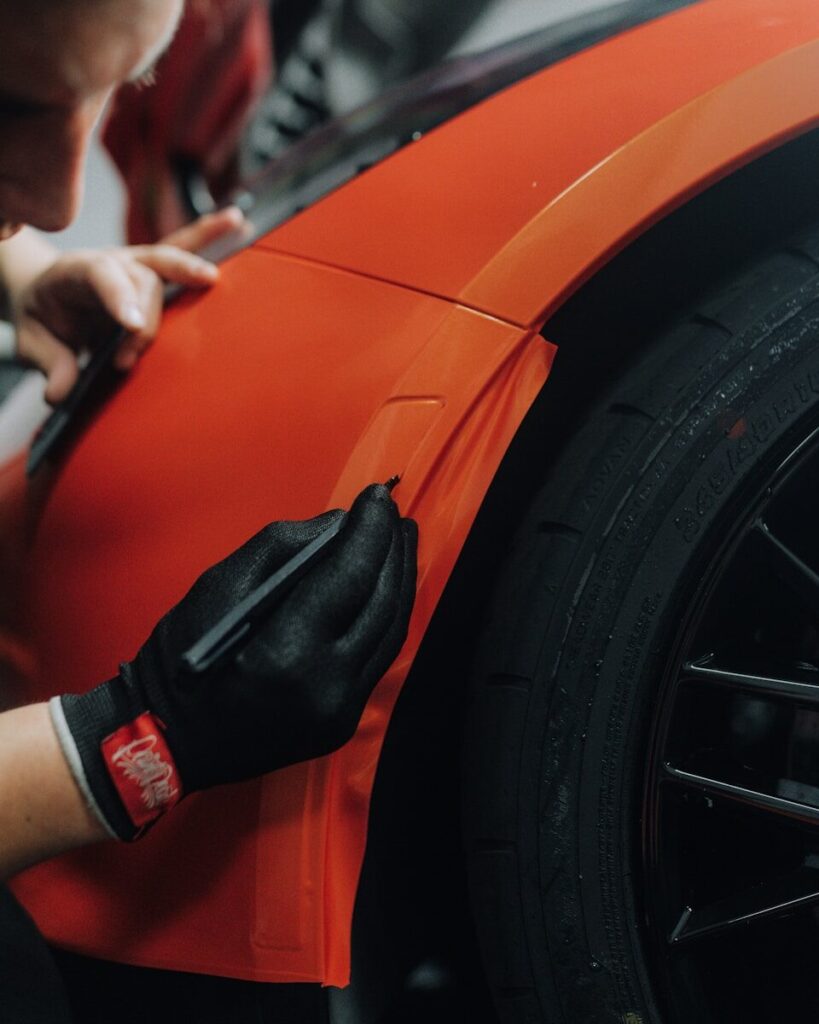
A professional wrap installer has to clean and prep the vehicle, apply the vinyl carefully, work around curves and edges, and make sure the wrap adheres correctly. The more difficult the body style, the more labor may be required.
This is one area where I would not recommend cutting corners. DIY wraps can look tempting, but one mistake can lead to wrinkles, trapped air, uneven edges, or wasted vinyl. For the best results, professional wrap installation is usually worth it.
Paint Condition And Paint Correction
Your vehicle’s paint condition matters before a vinyl wrap is applied. Wraps do not hide every flaw.
Minor scratches, dents, rust, peeling clear coat, or old adhesive from an existing wrap can affect how well the vinyl sticks. In some cases, paint correction or surface repair may be needed before installation.
If the paint underneath is in poor condition, the wrap may not last as long. It can also create problems during wrap removal.
How Much Does It Cost To Wrap A Car?
The cost to wrap a car can range from lower-cost partial wraps to several thousand dollars for a full wrap, depending on the vehicle and the design.
For a standard full wrap, J.D. Power lists many full car wraps around $2,000 to $4,000, while specialty finishes such as carbon fiber, chrome, or stainless steel can push material costs into the $6,000 to $8,000 range. Other 2026 industry pricing guides show many full vehicle wraps landing around $2,500 to $6,500, depending on vehicle size, material grade, design complexity, and market.
That means there is no single answer for every specific vehicle. A compact sedan with a simple, solid color vinyl wrap will usually cost less than a luxury vehicle with complex curves, specialty finishes, or custom designs.
What Are Average Vehicle Wrap Costs?
Average vehicle wrap costs are usually based on the amount of coverage, the material selected, and the difficulty of the installation.
Here is a simple way to think about it:
- Partial wraps: Usually more affordable because they cover selected areas like the hood, roof, mirrors, doors, or rear panels.
- Full wrap: Costs more because it covers most or all visible painted surfaces.
- Commercial wrap: Can cost more depending on custom designs, brand graphics, design work, and installation details.
- Specialty wrap: Finishes like carbon fiber, chrome, metallic, matte, or textured vinyl often cost more because the material can be more expensive and harder to install.
The most accurate way to know your final price is to get a free quote from a professional wrap installer. Ballpark figures are helpful, but the specific vehicle, wrap complexity, and material quality will decide the real number.
Are Partial Wraps A Good Way To Save Money?
Partial wraps can be a smart option if you want a bold look, business branding, or paint protection without paying for a full wrap.
A partial wrap might cover the hood, roof, trunk, side panels, or specific design areas. For businesses, partial wraps can still create strong brand visibility while keeping costs lower than wrapping an entire vehicle.
Partial wraps are also popular for drivers who want to add carbon fiber accents, racing stripes, a black roof, or a custom design without changing the whole car.
If you want the biggest visual change, a full wrap may be the better choice. If you want a more budget-friendly upgrade, partial wraps can be a great middle ground.
Is A Full Wrap Worth The Cost?
A full wrap can be worth the cost if you want a complete color change, full business branding, or a dramatic new look for your vehicle.
A full wrap covers more of the vehicle’s surface area, so it costs more than partial wraps. But it also creates a more complete transformation.
A full wrap may be worth it if:
- You want to change your car’s appearance without repainting it.
- You want custom designs across the entire vehicle.
- You use your vehicle for business and want strong brand visibility.
- You want to help protect the vehicle’s original paint from everyday exposure.
- You want a removable option that can be changed later.
A full wrap is not always the best fit for every driver, though. If your budget is tight or your paint needs major repair first, it may make sense to compare the cost to wrap with other options.
How Does Vinyl Wrap Compare To Paint Jobs?
A vinyl wrap is removable, customizable, and often faster than a full paint job, while paint is more permanent.
Paint jobs can be a better choice if your vehicle has damaged paint, rust, or body repair needs. A vinyl wrap works best when the paint underneath is already in good condition.
The biggest advantage of a vinyl wrap is flexibility. You can choose a solid color, matte finish, carbon fiber texture, custom graphics, or a full business design. Later, the wrap can be removed professionally if you want to return to the vehicle’s original paint or update the look.
For many drivers, a wrap is less about replacing paint and more about adding personality, protection, or branding.
Does A Vehicle Wrap Protect The Paint?
A vehicle wrap can help protect the vehicle’s paint from some everyday exposure, but it is not the same as paint protection film.
Vinyl wrap can help shield the original paint from UV rays, light road grime, minor scratches, and bird droppings when cleaned properly. However, it is not designed to provide the same level of impact protection as paint protection film.
Paint protection film, often called PPF, is usually thicker and designed to protect high-impact areas from chips, scratches, and road debris. A vinyl wrap is more focused on appearance, color change, and branding.
If paint protection is your main goal, ask your installer whether vinyl wrap, paint protection film, or a combination of both is best for your vehicle.
What Is Paint Protection Film?
Paint protection film is a clear or tinted protective layer applied to a vehicle’s paint to help guard against chips, scratches, road debris, and other everyday damage.
PPF is often installed on high-impact areas like the hood, front bumper, mirrors, rocker panels, and door edges. Some drivers choose PPF because they want protection without changing the car’s appearance.
A vinyl wrap can add style and some surface protection, but paint protection film is usually the stronger choice for drivers who care most about preventing road damage.
Does Carbon Fiber Vinyl Wrap Cost More?
Carbon fiber vinyl wrap can cost more than standard gloss vinyl because the material has a specialty texture and requires careful installation.
Carbon fiber wraps are popular for hoods, roofs, mirrors, interior trim, spoilers, and accent areas. They can give a vehicle a sportier look without replacing actual parts.
Because carbon fiber vinyl has a pattern, the installer has to pay close attention to alignment, stretching, and placement. That extra detail can increase labor costs, especially on larger panels or complex curves.
What Hidden Fees Should I Watch For?
Hidden fees in car wrap costs may include design work, paint correction, old wrap removal, trim removal, specialty material upgrades, or extra labor for complex areas.
Before approving a wrap project, ask what is included in the quote. A lower price may not include everything needed for a clean, long-lasting finish.
Common extra costs can include:
- Design or artwork setup
- Premium vinyl material
- Paint correction or surface prep
- Wrap removal from an existing wrap
- Door jamb wrapping
- Specialty finishes
- Complex curves or body kit details
- Rush timing
- Post-install inspection
The clearer the quote, the easier it is to compare wrap prices fairly.
How Does Wrap Removal Affect The Total Cost?
Wrap removal can add to the total cost, especially if the existing wrap is old, damaged, or stuck to the paint.
A wrap should be removed professionally to reduce the risk of damaging the vehicle’s paint. If a wrap has been left on too long, exposed to harsh conditions, or installed improperly, removal can take more time.
Proper care can help extend the life of the wrap and make removal easier later. That means regular cleaning matters from day one.
Can You Take A Wrapped Car Through Automatic Car Washes?
Some wrapped vehicles may be able to go through certain automatic car washes, but you should always follow your wrap installer’s care instructions first.
Many installers recommend gentle cleaning methods because harsh brushes, strong chemicals, high pressure, or rough equipment can damage wrap edges or reduce durability. If you are unsure, ask your installer whether automated car washes are safe for your specific wrap material.
At Fusion Car Wash, I care about helping drivers protect their vehicles year-round. Our focus is on quality, convenience, and safe washing systems that help maintain your car’s appearance without the hassle.
If you have a wrapped vehicle, tell our team before your wash so we can help you choose the best option for your car’s finish.
How Should I Maintain A Wrapped Vehicle?
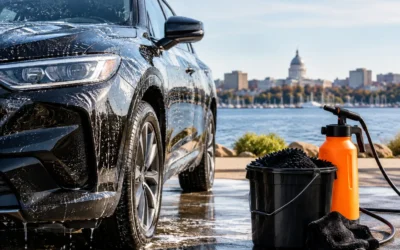
The best way to maintain a wrapped vehicle is to clean it regularly, remove contaminants quickly, and avoid harsh products that can damage the vinyl.
Bird droppings, road salt, bug splatter, tree sap, pollen, and UV rays can all affect your wrap over time. Letting grime sit too long can make cleaning harder and may shorten the life of the vinyl.
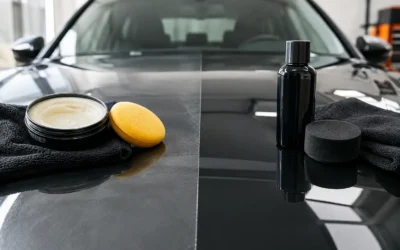
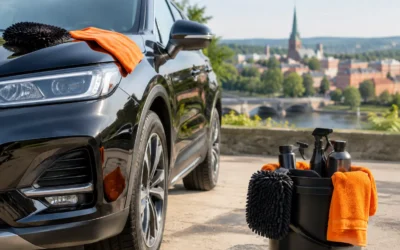
Here are a few simple care tips:
- Wash your wrapped vehicle regularly.
- Clean bird droppings and bug splatter as soon as possible.
- Avoid abrasive brushes or harsh chemicals.
- Use gentle cleaning methods recommended by your installer.
- Park in shade or use a car cover when possible.
- Schedule routine cleaning during the salt, pollen, and summer UV seasons.
Proper care helps maintain the wrap, protect the original paint underneath, and keep the vehicle looking sharp.
Why Does Cleaning Matter After A Professional Wrap?
Cleaning matters because a wrap is constantly exposed to weather, road grime, UV rays, salt, pollen, and daily driving conditions.
Even the best professional wrap needs proper care. Dirt and contaminants can dull the finish, affect the vinyl material, and make the vehicle look older than it is.
That is where Fusion Car Wash can help. We make car care fast, easy, and consistent for Frederick drivers. Whether you drive to work every day, manage a family vehicle, care for a fleet, or simply love keeping your car clean, we help you stay ahead of the grime.
Our signature six-step Fusion Cleaning Process is built around deep cleaning, long-lasting protection, and a showroom-worthy finish. From Bath and Prime to Rinse, Seal, Wax, and Repel, we help your vehicle look its best through every season.
Is A Professional Wrap Better Than DIY Wraps?
A professional wrap is usually the better choice if you want a clean finish, better durability, and fewer installation mistakes.
DIY wraps may seem cheaper, but vinyl wrap installation is harder than it looks. Complex curves, door handles, bumpers, mirrors, trim, and body lines can create real challenges. Improper installation can lead to bubbling, peeling, wrinkles, uneven seams, and wasted material.
Professional installation costs more upfront, but it usually gives you better results and a longer-lasting finish. If you are investing in a wrap, it makes sense to protect that investment with the right installer and the right maintenance routine.
Who Should Consider Car Wraps?
Car wraps are a good fit for drivers who want to change their car’s appearance, protect the original paint, advertise a business, or customize a vehicle without a permanent paint job.
Car wraps can work well for:
- Commuters who want a fresh look
- Car enthusiasts who enjoy custom designs
- Small business owners who want brand visibility
- Fleet owners who need consistent vehicle branding
- Drivers protecting resale value
- Luxury vehicle owners who want specialty finishes
- Anyone who wants a removable alternative to paint
A wrap can be practical, stylish, or promotional. Sometimes, it is all three.
What Mistakes Should I Avoid Before Wrapping A Car?
The biggest mistakes are choosing the cheapest installer, ignoring paint condition, skipping maintenance, and not asking what is included in the quote.
Before you wrap a car, make sure you understand the full process. Ask about material quality, prep work, installation experience, warranty details, care instructions, and wrap removal.
You should also avoid wrapping over damaged paint without professional advice. The better the surface is before installation, the better the final result will look.
And once the wrap is installed, do not treat it like it is maintenance-free. A clean wrap lasts longer, looks better, and helps protect your investment.
What Should Frederick Drivers Do Next?
If you are comparing car wrap costs, start by getting a quote from a professional wrap installer and asking what is included in the final price.
Once your wrap is installed, keep it clean with consistent, gentle care. Fusion Car Wash makes it easier to protect your paint, maintain your car’s appearance, and keep your vehicle looking sharp through Maryland’s salt, pollen, rain, heat, and everyday road grime.
Don’t just wash your car. Fusion it.
Join the Unlimited Wash Club today and keep your vehicle looking clean, protected, and ready for the road.
More Car Wash And Car Care Resources For Frederick Drivers
Want to learn more about keeping your vehicle clean, protected, and road-ready? These resources can help you compare car wash options, understand basic maintenance, protect your car’s interior, and make smarter car care decisions.
- Fusion Car Wash | Learn more about Fusion’s wash options, Fusion Cleaning Process, steam services, Unlimited Wash Club, and Frederick car wash locations.
- Fusion Car Wash About Us | Get to know Fusion’s family-owned approach, local Frederick roots, and customer-first car care philosophy.
- Fusion Car Wash Contact Page | Find Fusion’s location, contact information, and details for planning your next visit.
- Fusion Car Wash In Frederick | See why Frederick drivers choose Fusion for quick exterior washes, full-service packages, and everyday vehicle care.
- Fusion Interior Detailing In Frederick | Learn what interior detailing includes and why it matters for comfort, cleanliness, and resale value.
- Consumer Reports: How To Wash Your Car | A helpful guide on safe washing habits, proper car cleaning products, and mistakes to avoid.
- Consumer Reports: Are Car-Wash Extras Worth It? | A useful resource for understanding car wash upgrades, protection options, and when extras may make sense.
- AAA: Time-Stamped Car Maintenance Checklist | A simple maintenance guide for staying on top of oil changes, tire care, battery checks, and other routine vehicle needs.
- NHTSA TireWise Tire Safety Guide | Learn how to check tire pressure, tread depth, tire age, and other safety basics.
- IIHS Headlights Guide | A helpful resource on headlight performance, glare, low beams, high beams, and nighttime visibility.
- AutoZone: What Should Be In Your Car Detailing Kit | A practical guide to detailing kit essentials like microfiber towels, wheel brushes, glass cleaner, wax, and upholstery products.
- AutoZone: How To Detail A Car Step By Step | A beginner-friendly breakdown of exterior and interior detailing tools and steps.
- EPA: Vehicle And Equipment Washing Best Practices | A resource on wash water, runoff, and why proper vehicle washing practices matter for the environment.
- Maryland MVA: Selling A Vehicle | A Maryland-specific guide for title, lien, and paperwork steps when selling a vehicle.
- Maryland MVA: Buying A Vehicle | A useful resource for understanding title transfer, bill of sale, odometer details, and purchase paperwork in Maryland.
- FTC: Buying A Used Car From A Dealer | A consumer-friendly guide on used car buying, vehicle history reports, warranties, and dealer paperwork.
- Visit Frederick: Getting To And Around Frederick County | A local resource for Frederick County routes, highways, and travel context for drivers in the area.
FAQs About Car Wrap Cost
How Much Does a Car Wrap Cost?
Car wrap cost depends on vehicle size, vinyl material, design complexity, labor costs, and whether you choose partial wraps or a full wrap. Many full wraps cost a few thousand dollars.
Are Partial Wraps Cheaper Than Full Wraps?
Yes. Partial wraps usually cost less because they use less vinyl material and require less labor than wrapping an entire vehicle.
What Is The Most Expensive Type Of Vinyl Wrap?
Specialty finishes like carbon fiber, chrome, metallic, matte, and textured vinyl often cost more than standard gloss vinyl.
Does A Vehicle Wrap Protect The Original Paint?
A vehicle wrap can help protect the original paint from some everyday exposure, but it is not the same as paint protection film.
Can A Wrapped Car Go Through Automatic Car Washes?
It depends on the wrap and installer recommendations. Always follow your installer’s care instructions before using automatic car washes or automated car washes.
How Long Does A Vinyl Wrap Last?
A quality vinyl wrap can last several years with professional installation and proper care. Cleaning habits, sun exposure, weather, and material quality all affect durability.
Is A Professional Wrap Better Than A DIY Car Wrap?
Yes, in most cases. Professional wrap installation usually produces better durability, cleaner edges, and a more flawless finish than DIY wraps.
Does Wrap Removal Damage Paint?
Wrap removal should not damage healthy paint when the wrap is removed professionally. Problems are more likely if the paint underneath is already weak or the wrap was installed improperly.
Is A Car Wrap Better Than A Paint Job?
A car wrap is better if you want a removable, customizable option. A paint job may be better if your vehicle needs permanent color repair or bodywork.
How Do I Maintain A Wrapped Vehicle?
Wash it regularly, remove bird droppings and bug splatter quickly, avoid harsh chemicals, and follow your installer’s cleaning instructions. Proper care helps maintain the wrap and the vehicle’s appearance.