The best way to keep car headlights clear and bright is to clean them regularly, remove road grime, wash away salt and dirt, restore cloudy lenses when needed, and replace weak or damaged bulbs if light output is poor. Clean headlights help improve visibility, reduce glare problems, and make your vehicle safer to drive at night.
At Fusion Car Wash, I know your headlights do more than make your car look better. They help you see the road ahead, make your vehicle more visible to other drivers, and support safer driving in dark, rainy, foggy, or winter conditions.
A clean car is great. A clean car with clear headlights? Even better.
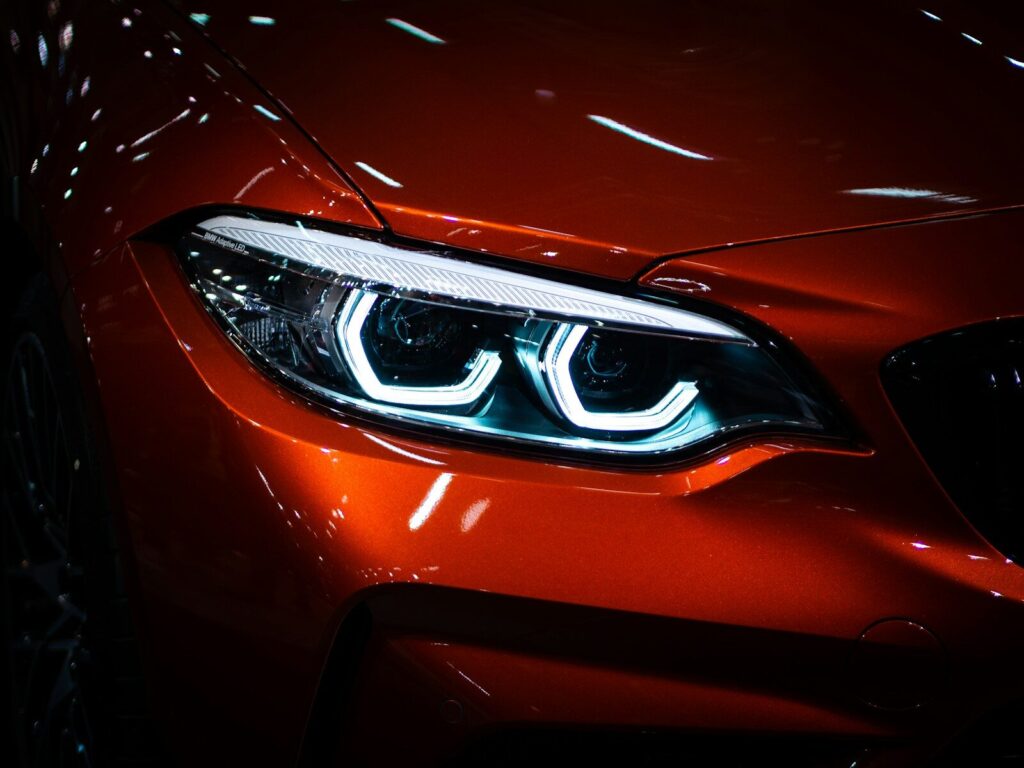
Why Do Car Headlights Matter?
Car headlights matter because they help drivers see clearly, avoid hazards, and stay visible to oncoming traffic and other vehicles.
Your headlights are one of the most important parts of your vehicle lighting system. They help illuminate the road ahead, especially at night, during storms, and in low-visibility conditions.
Good headlights can help with:
- Night driving visibility
- Seeing road signs
- Spotting pedestrians
- Seeing curves and turns
- Driving in rain or fog
- Being seen by other drivers
- Reducing unsafe glare
- Making the vehicle look cleaner and better maintained
When headlights are cloudy, yellow, dim, misaligned, or dirty, they can reduce light output and make driving more stressful.
What Makes Good Headlights?
Good headlights produce clear, even light that helps you see the road without blinding oncoming drivers.
The best headlights are not just the brightest ones. They need to be properly designed, aimed, and matched to the vehicle’s headlight assembly.
Good headlights should:
- Illuminate the road ahead
- Support both low and high beams
- Avoid excessive glare
- Keep light pointed in the correct direction
- Work well with the factory headlight assembly
- Be bright enough without blinding oncoming traffic
- Match the intended light source for the vehicle
A headlight that looks bright from the front is not always better. If the beam pattern is wrong, it can create glare, shadows, or poor visibility.
Why Does Headlight Maintenance Matter?
Headlight maintenance matters because dirt, oxidation, road salt, UV exposure, and aging bulbs can reduce visibility and make your vehicle harder to see.
Your headlights sit at the front of your car, which means they take a beating from:
- Road grime
- Bugs
- Dirt
- Salt
- Rain
- Snow
- Dust
- UV rays
- Small debris
- Daily driving buildup
Over time, the clear lens can turn cloudy or yellow. When that happens, even good bulbs may not perform as well because the light has to pass through a hazy surface.
Regular washing helps remove surface buildup before it gets worse. For deeper cloudiness, headlight restoration may be needed.
Why Do Car Headlights Get Cloudy?
Car headlights get cloudy because the outer plastic lens breaks down from UV rays, weather, dirt, road salt, oxidation, and age.
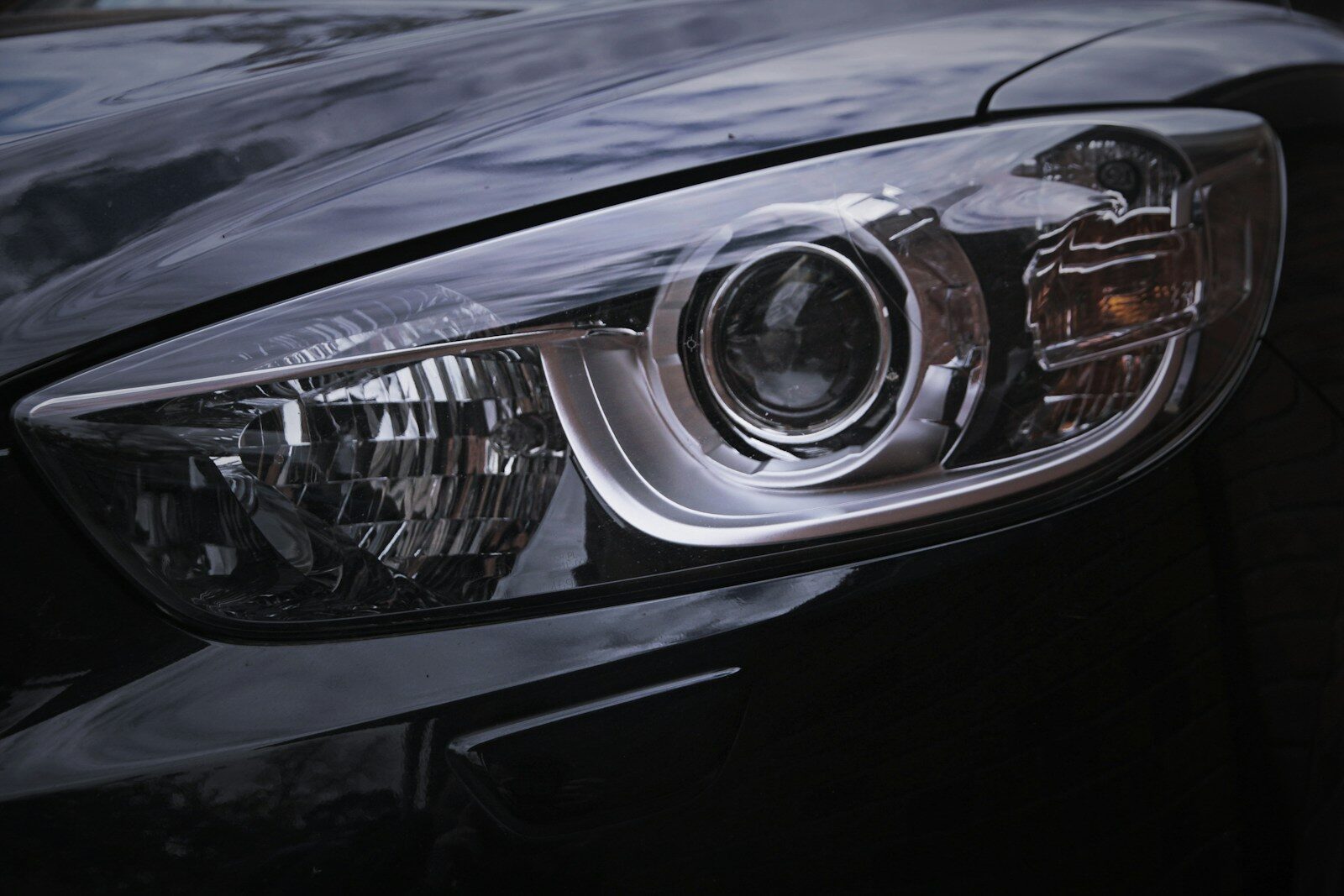
Most modern headlight lenses are made from plastic, not glass. Plastic is durable, but it can become hazy over time. The outside layer slowly oxidizes, which creates that foggy, yellow, or dull look.
Cloudy headlights are common on older vehicles, but they can also happen faster if your car is exposed to harsh conditions.
Common Causes Of Cloudy Headlights
Headlights may become cloudy because of:
- Sun exposure
- UV damage
- Road salt
- Dirt and grime
- Bugs and debris
- Harsh weather
- Oxidation
- Poor cleaning habits
- Aging plastic lenses
- Lack of protective coating
If your headlights look yellow, dull, or foggy even after a normal wash, the lens may need restoration.
How Do Cloudy Headlights Affect Visibility?
Cloudy headlights reduce visibility by blocking and scattering light before it reaches the road.
When the lens is clear, the light source can project through the headlight assembly more effectively. When the lens is cloudy, the beam may look weaker, uneven, or dim.
That can make it harder to see:
- Road lines
- Curbs
- Signs
- Pedestrians
- Animals
- Other vehicles
- Turns and curves
- Objects in the road
Cloudy headlights can also make your car look older than it really is. It is one of those small details that can age a vehicle fast.
What Are The Main Types Of Car Headlights?
The main types of car headlights include halogen headlights, LED headlights, and HID headlights.
Each type uses a different light source to produce light. The right option depends on your vehicle, headlight assembly, factory design, and replacement needs.
What Are Replaceable Halogen Bulbs?
Replaceable halogen bulbs are traditional headlight bulbs that use a filament inside a glass bulb to produce light.
Halogen headlights are common in many vehicles because they are affordable and easy to replace in many models. If a halogen bulb burns out, you can often replace the bulb without replacing the entire headlight assembly.
Halogen Headlight Features
Halogen bulbs are known for:
- Lower replacement cost
- Simple bulb replacement in many vehicles
- Warm light color
- Widespread availability
- Compatibility with many factory systems
The downside is that halogen bulbs may not produce the same light output or modern look as LED headlights or HID systems.
What Are LED Headlights?
LED headlights use light-emitting diodes to produce light and are often known for bright output, energy efficiency, and a modern appearance.
Many newer vehicles come with factory LED headlights. These systems are usually engineered as part of the vehicle’s lighting design.
LED Headlight Features
LED headlights may offer:
- Bright light output
- Long service life
- Modern appearance
- Efficient performance
- Quick response
- Cooler color temperature
However, not every LED kit is a good fit for every vehicle. Installing LED bulbs into a headlight assembly that was designed for halogen bulbs can sometimes create glare or poor beam patterns.
That is why it is important to use lighting products that are intended for your specific vehicle.
What Are HID Headlights?
HID headlights use xenon gas and an electrical arc to produce light.
HID stands for high-intensity discharge. These headlights can produce strong light output and are found in some vehicles as factory lighting systems.
HID Headlight Features
HID headlights may include:
- Bright light output
- Xenon gas technology
- Distinctive color tone
- Strong low beam performance
- Specialized bulbs and components
HID systems are more complex than standard halogen headlights. If an HID bulb, ballast, or related component fails, replacement may cost more than a basic halogen bulb.
What Is The Difference Between Low Beams And High Beams?
Low beams are used for normal driving, while high beams are used when you need more light and there is no oncoming traffic nearby.
Your low beams are designed to light the road ahead without creating excessive glare for other drivers. High beams project farther and brighter, but they can blind oncoming drivers if used at the wrong time.
Use Low Beams When:
- Driving at night with traffic nearby
- Driving in town
- Following another vehicle
- Approaching oncoming traffic
- Driving in rain, fog, or snow
Use High Beams When:
- Driving on dark rural roads
- No other vehicles are close
- You need extra visibility
- There is no oncoming traffic
Always switch back to low beams when another vehicle approaches. Nobody enjoys being flashbanged by headlights at 10 PM.
Can High Beam Use Cause Glare?
Yes, high beam use can cause glare when used around oncoming traffic or other drivers.
High beams are powerful because they are designed to cast light farther down the road. That is helpful in the right setting, but it can be dangerous when aimed at oncoming drivers.
Excessive glare can make it harder for other drivers to see, especially at night.
To reduce glare:
- Use high beams only when appropriate
- Switch to low beams for oncoming traffic
- Keep headlights properly aimed
- Replace bulbs with the correct type
- Avoid incompatible lighting kits
- Clean cloudy lenses
- Do not overload the rear of the vehicle if it changes headlight aim
Being visible is good. Blinding everyone else is not the goal.
Why Does The Light Source Matter?
The light source matters because headlights are engineered around a specific bulb type, focal point, and beam pattern.
A headlight assembly is not just a plastic housing with a bulb inside. It is designed to direct light in a specific way. The bulb’s position, intensity, shape, and focal point all affect how the beam appears on the road.
If the wrong bulb or kit is installed, the light may scatter instead of focusing properly. That can create:
- Shadows
- Weak spots
- Glare
- Poor road coverage
- Blinding oncoming traffic
- Reduced visibility
- Uneven beam patterns
This is why replacement headlights and bulbs should match the vehicle manufacturer’s intended design.
When Should You Replace Headlight Bulbs?
You should replace headlight bulbs when they burn out, dim noticeably, flicker, change color, or no longer provide enough visibility.
Some drivers only replace a bulb when it completely fails. But if your headlights seem weak, uneven, or noticeably dimmer than they used to be, it may be time to inspect them.
Signs You May Need New Bulbs
Watch for:
- One headlight is out
- One side looks dimmer
- Flickering light
- Yellow or weak output
- Trouble seeing at night
- Warning light on the dashboard
- Uneven low beams
- High beams not working
- Bulbs that keep burning out
If one bulb fails, many drivers replace the pair so both sides match in brightness and color.
When Do You Need Replacement Headlights?
You may need replacement headlights if the assembly is cracked, leaking, damaged, severely yellowed, or no longer working properly.
Sometimes a bulb replacement is enough. Other times, the headlight assembly itself may be the problem.
Signs You May Need Replacement Headlights
You may need a new assembly if:
- The lens is cracked
- Moisture is inside the headlight
- The assembly is damaged
- The lens cannot be restored
- The beam pattern is poor
- The housing is broken
- The light points in the wrong direction
- The headlight was damaged in an accident
Replacement headlights can vary in cost depending on the vehicle, technology, and whether the part is factory, aftermarket, halogen, LED, or HID.
Can A Car Wash Help Clean Car Headlights?
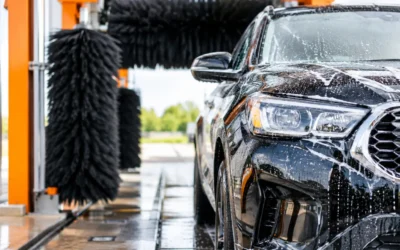
Yes, a car wash can help clean car headlights by removing dirt, bugs, salt, road grime, and surface buildup from the lens.
Regular washing is one of the easiest ways to keep headlights looking cleaner. It helps remove the everyday buildup that can make lenses look dull or dirty.
At Fusion Car Wash, our process helps clean the whole vehicle exterior, including the front end where headlights collect bugs, dirt, salt, and grime.
Our signature six-step Fusion Cleaning Process includes:
- Bath
- Prime
- Rinse
- Seal
- Wax
- Repel
That means your vehicle gets a thorough clean designed to help protect its finish and keep it looking sharp.
Can A Car Wash Restore Cloudy Headlights?
A car wash can clean headlight surfaces, but it cannot fully restore headlights that are cloudy from oxidation or UV damage.
This is an important difference.
A wash can remove:
- Dirt
- Bugs
- Salt
- Grime
- Dust
- Surface film
But deeper cloudiness often comes from oxidation in the headlight lens. That usually needs headlight restoration, polishing, sanding, coating, or replacement.
If your headlights still look yellow or foggy after a wash, they may need more than cleaning.
What Are The Best Headlight Restoration Methods?
The best headlight restoration methods usually include cleaning, light sanding or polishing, removing oxidation, and applying a protective coating.
Headlight restoration can improve clarity when the lens is cloudy but not cracked or damaged beyond repair.
Common Headlight Restoration Methods
Options may include:
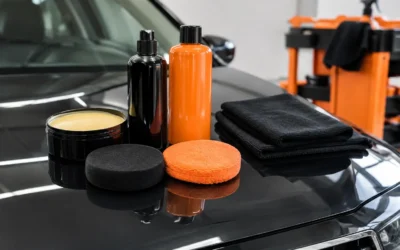
- Headlight restoration kits
- Plastic polish
- Wet sanding
- Buffing
- UV protective coating
- Professional restoration
- Full headlight replacement
Some DIY kits work well for light cloudiness. For severe oxidation, professional help may produce better and longer-lasting results.
Can You Restore Headlights Yourself?
Yes, you can restore headlights yourself if the cloudiness is mild and you use the right products carefully.
Many headlight restoration kits include sanding pads, polish, towels, and protective coating. The process usually takes patience and careful instructions.
DIY Headlight Restoration Tips
If you try it yourself:
- Wash the headlights first
- Tape around the paint
- Follow the kit instructions
- Work slowly
- Avoid harsh scrubbing
- Apply protective coating
- Let the coating cure properly
- Do both headlights for an even look
DIY restoration can help, but it may not last as long if the protective coating is skipped.
When Should You Get Professional Headlight Restoration?
Professional headlight restoration helps when headlights are severely cloudy, yellowed, uneven, or hard to improve with basic cleaning.
A professional may be able to restore clarity more evenly and apply a longer-lasting protective coating.
Professional help may be worth it if:
- The headlights are very yellow
- Visibility is poor at night
- DIY kits did not work
- You are selling the vehicle
- You want better appearance
- The oxidation keeps coming back
- You do not want to risk damaging the paint
If the headlight assembly is cracked, leaking, or damaged, replacement may be the better option.
How Can You Prevent Cloudy Headlights?
You can help prevent cloudy headlights by washing regularly, parking in shade when possible, applying UV protection, and restoring lenses before oxidation gets severe.
Headlights age over time, but good habits can slow down the process.
Headlight Care Tips
To keep headlights clearer longer:
- Wash your car regularly
- Remove bugs and grime quickly
- Clean road salt in winter
- Avoid harsh cleaners
- Use protective coatings when needed
- Park in a garage or shade when possible
- Restore headlights before they get too cloudy
- Replace damaged headlight assemblies
- Check bulb brightness regularly
Regular exterior care keeps your headlights and paint looking better through every season.
What Headlight Mistakes Should Drivers Avoid?
The biggest headlight mistakes are ignoring cloudy lenses, using the wrong bulbs, driving with one headlight out, overusing high beams, and installing lighting kits that create glare.
Avoid these common mistakes:
- Ignoring yellow or cloudy headlights
- Waiting too long to replace burned-out bulbs
- Using high beams near oncoming drivers
- Installing bulbs not designed for your assembly
- Assuming brighter always means better
- Forgetting to clean headlights regularly
- Driving with misaligned headlights
- Ignoring moisture inside the headlight
- Replacing only one bulb when both are aging
- Skipping protective coating after restoration
Headlight care is not just about appearance. It affects safety, visibility, and other drivers too.
Who Should Pay Extra Attention To Headlight Maintenance?
Every driver should care about headlights, but some drivers should pay extra attention because they rely on visibility more often.
This includes:
- Night shift workers
- Early morning commuters
- Delivery drivers
- Rideshare drivers
- Parents driving in evening hours
- Fleet and small business owners
- Drivers on rural roads
- Drivers with older vehicles
- Car enthusiasts
- Anyone preparing to sell a vehicle
If you drive often at night, cloudy or weak headlights can make a huge difference.
How Do Clean Headlights Help Your Vehicle Look Better?
Clean headlights help your vehicle look newer, sharper, and better cared for.
Cloudy headlights can make even a clean car look older. Clear headlights, clean paint, shiny wheels, and a fresh interior all work together to create a stronger overall appearance.
This matters if you:
- Care about your car’s appearance
- Want better curb appeal
- Are preparing to sell your car
- Own a business vehicle
- Manage a fleet
- Want your vehicle to look well maintained
It is a small detail, but it has a big visual impact.
Why Choose Fusion For Exterior Car Care?
Fusion Car Wash helps Frederick drivers keep their vehicles clean, protected, and ready for the road with fast, high-quality, eco-friendly car care.
We are family-owned, community-trusted, and built for drivers who want convenience without giving up quality. Whether your vehicle needs a quick wash, free vacuums, full-service care, premium add-ons, or an Unlimited Wash Club membership, we make it easy to stay consistent.
Our exterior wash process helps clean the areas that take the most daily abuse, including:
- Headlights
- Grille
- Hood
- Windshield
- Wheels
- Tires
- Mirrors
- Lower panels
- Rear bumper
We help remove dirt, salt, bugs, grime, and seasonal buildup so your car looks cleaner and feels better to drive.
Quick wash. Big shine. No hassle.
How Does Fusion Fit Into A Headlight Maintenance Routine?
Fusion fits into your headlight maintenance routine by helping you keep the exterior clean between deeper maintenance, restoration, or bulb replacement.
A car wash cannot replace a burned-out bulb or fix damaged wiring. But regular washing helps keep lenses cleaner and makes it easier to spot issues like cloudiness, cracks, moisture, or dim lighting.
A simple routine might look like this:
- Wash your car regularly
- Check headlights while the car is clean
- Look for yellowing or haze
- Replace weak bulbs when needed
- Restore cloudy lenses
- Keep high and low beams working
- Schedule repairs if lighting seems unsafe
Clean, clear, working headlights are part of smart car care.
What Should You Do Next?
Start by checking your headlights tonight or the next time your car is parked safely.
Look for:
- Cloudy lenses
- Yellowing
- Dim bulbs
- Flickering
- One light out
- Moisture inside the assembly
- Weak low beams
- High beams that do not work
- Excessive glare
- Dirt, bugs, or grime on the lens
If the headlights are dirty, give your vehicle a proper wash. If they are cloudy, consider restoration. If the bulbs are weak or the assembly is damaged, have them inspected or replaced.
And when your vehicle needs a clean, protected, road-ready shine, bring it to Fusion.
More Car Wash And Car Care Resources For Frederick Drivers
Want to learn more about keeping your vehicle clean, protected, and road-ready? These resources can help you compare car wash options, understand basic maintenance, protect your car’s interior, and make smarter car care decisions.
- Fusion Car Wash | Learn more about Fusion’s wash options, Fusion Cleaning Process, steam services, Unlimited Wash Club, and Frederick car wash locations.
- Fusion Car Wash About Us | Get to know Fusion’s family-owned approach, local Frederick roots, and customer-first car care philosophy.
- Fusion Car Wash Contact Page | Find Fusion’s location, contact information, and details for planning your next visit.
- Fusion Car Wash In Frederick | See why Frederick drivers choose Fusion for quick exterior washes, full-service packages, and everyday vehicle care.
- Fusion Interior Detailing In Frederick | Learn what interior detailing includes and why it matters for comfort, cleanliness, and resale value.
- Consumer Reports: How To Wash Your Car | A helpful guide on safe washing habits, proper car cleaning products, and mistakes to avoid.
- Consumer Reports: Are Car-Wash Extras Worth It? | A useful resource for understanding car wash upgrades, protection options, and when extras may make sense.
- AAA: Time-Stamped Car Maintenance Checklist | A simple maintenance guide for staying on top of oil changes, tire care, battery checks, and other routine vehicle needs.
- NHTSA TireWise Tire Safety Guide | Learn how to check tire pressure, tread depth, tire age, and other safety basics.
- IIHS Headlights Guide | A helpful resource on headlight performance, glare, low beams, high beams, and nighttime visibility.
- AutoZone: What Should Be In Your Car Detailing Kit | A practical guide to detailing kit essentials like microfiber towels, wheel brushes, glass cleaner, wax, and upholstery products.
- AutoZone: How To Detail A Car Step By Step | A beginner-friendly breakdown of exterior and interior detailing tools and steps.
- EPA: Vehicle And Equipment Washing Best Practices | A resource on wash water, runoff, and why proper vehicle washing practices matter for the environment.
- Maryland MVA: Selling A Vehicle | A Maryland-specific guide for title, lien, and paperwork steps when selling a vehicle.
- Maryland MVA: Buying A Vehicle | A useful resource for understanding title transfer, bill of sale, odometer details, and purchase paperwork in Maryland.
- FTC: Buying A Used Car From A Dealer | A consumer-friendly guide on used car buying, vehicle history reports, warranties, and dealer paperwork.
- Visit Frederick: Getting To And Around Frederick County | A local resource for Frederick County routes, highways, and travel context for drivers in the area.
FAQs About Car Headlights
Why Are My Car Headlights Cloudy?
Car headlights get cloudy because UV rays, oxidation, dirt, road salt, and age break down the plastic lens over time.
Can A Car Wash Clean Headlights?
Yes. A car wash can remove dirt, bugs, salt, and grime from the outside of headlights, but it cannot fully restore oxidized lenses.
How Do I Restore Cloudy Headlights?
Cloudy headlights can often be restored with cleaning, polishing, wet sanding, and a UV protective coating. Severe damage may require replacement.
Are LED Headlights Better Than Halogen Headlights?
LED headlights can be brighter and more efficient, but the best choice depends on your vehicle’s factory lighting system and headlight assembly.
What Are Replaceable Halogen Bulbs?
Replaceable halogen bulbs are traditional headlight bulbs that use a filament to produce light and can often be replaced without changing the full headlight assembly.
When Should I Use High Beams?
Use high beams on dark roads when no other vehicles are nearby. Switch to low beams when approaching oncoming traffic or following another vehicle.
Why Do Headlights Cause Glare?
Headlights can cause glare when bulbs are too bright, misaligned, installed incorrectly, or not matched to the headlight assembly.
When Should I Replace My Headlights?
Replace headlights if the assembly is cracked, leaking, damaged, severely cloudy, or no longer producing safe light output.
Do Good Headlights Improve Safety?
Yes. Good headlights improve visibility, help you see the road ahead, and make your vehicle easier for other drivers to see.
Why Choose Fusion For Headlight And Exterior Care?
Fusion Car Wash helps clean headlights, paint, wheels, glass, and exterior surfaces so your vehicle looks better and stays protected through every season.