A Frederick commute can leave more on your vehicle than a few miles on the odometer. Pollen settles into every seam in spring, summer sun beats on exposed panels, and winter road salt clings to paint long after the snow has gone. The best way to protect car paint is not one expensive product. It is a consistent routine that removes harmful buildup and keeps a protective layer between your clear coat and the elements.
For most daily drivers, the goal is simple: keep the finish looking good, make future cleaning easier, and avoid the slow damage that lowers curb appeal over time. The right protection depends on how often you drive, where you park, and how much maintenance you want to handle yourself.
Why car paint needs more than an occasional wash
Modern automotive paint has a clear coat designed to protect the color beneath it, but it is not invincible. Bird droppings, tree sap, bug residue, brake dust, road film, salt, and industrial fallout can stick to the surface. Given enough time, some of these contaminants can stain, etch, or dull the clear coat.
Sun exposure creates a different problem. UV rays gradually fade color and weaken the finish, especially on vehicles that spend every day outside. Heat also bakes grime onto paint, which makes it harder to remove without aggressive scrubbing.
A wash removes dirt. Paint protection helps prevent that dirt from bonding as tightly to the surface. You need both. Applying wax or ceramic protection to a dirty vehicle can seal contamination in, while washing without protection leaves fresh paint exposed again as soon as you pull onto the road.
The best way to protect car paint starts with regular washing
There is no protective coating that makes a car maintenance-free. Regular washing is the foundation because it removes the contaminants that do the most damage when left sitting on the paint.
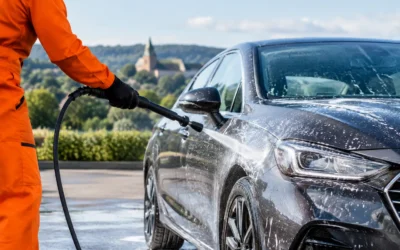
For vehicles driven regularly around Frederick, a wash every one to two weeks is a practical target. You may need to wash more often after snow and road treatment, a long highway trip, heavy pollen, or parking under trees. If you have an unlimited wash plan and use it regularly, keeping up with that schedule becomes much easier.
The washing method matters, too. Quality wash chemistry, proper rinsing, and clean equipment help lift grime safely rather than dragging it across the finish. Avoid using dish soap at home. It can strip existing protection and is not formulated for automotive paint. Be cautious with old towels, dirty sponges, or brushes that have picked up grit.
When salt is on the roads, do not focus only on what you can see. An underbody wash is a smart addition because salt and grime collect underneath the vehicle, around wheel wells, and along lower painted panels. Protecting your vehicle’s appearance and protecting its hard-to-see areas should go together.
Choose the right paint protection for your vehicle
After the surface is clean, you have several protection options. None is automatically best for every driver. The right choice comes down to durability, budget, and how often you plan to wash your vehicle.
Wax for a warm shine and simple upkeep
Wax is a familiar choice for good reason. It enhances gloss, makes water bead on the surface, and provides a sacrificial layer that helps shield paint from everyday contamination. It is especially useful for drivers who enjoy a freshly detailed appearance and are comfortable refreshing protection regularly.
Traditional wax protection does not last as long as newer sealant or ceramic-based options. Weather, frequent washing, and daily driving gradually wear it down. Still, it can be an excellent choice for a well-kept car when reapplied as part of a regular care routine.
Sealants for longer-lasting everyday defense
Paint sealants are formulated to provide durable, consistent protection. They can offer strong water repellency, a bright finish, and better longevity than many basic waxes. For busy families and commuters, a sealant is often a sensible middle ground: more staying power than a quick wax, without requiring a major change to your maintenance routine.
A sealant will not stop rock chips, scratches from careless parking, or every paint defect. What it can do is make the surface slicker and easier to clean while offering a dependable barrier against normal road grime and weather exposure.
Ceramic protection for drivers who want more durability
Ceramic protection is a popular option because it offers longer-lasting protection and impressive water behavior. It creates a durable, slick layer that helps resist environmental contamination and makes routine cleaning easier. Water tends to bead and sheet away, taking loose dirt with it.
Ceramic protection is a strong fit for newer vehicles, vehicles parked outdoors, and owners who want a premium level of protection without constantly reapplying wax. It can also be a practical choice for anyone who values a cleaner-looking vehicle between washes.
There is a trade-off. Ceramic protection is not a force field. It will not prevent collision damage, deep scratches, or rock chips. It also performs best when the paint is properly prepared before application. If the surface already has bonded grime, oxidation, or swirl marks, those issues should be addressed first rather than covered up.
Protect the areas that take the most abuse
Your hood, front bumper, mirrors, rocker panels, and lower doors face the worst of bugs, gravel, slush, and road spray. These areas deserve extra attention, particularly after a highway drive or winter weather.
Do not forget wheels and tires. Brake dust can become stubborn if it is allowed to bake on, while dirty tires can make an otherwise clean vehicle look unfinished. A complete wash that includes wheel cleaning, tire shine, and a protectant on exterior surfaces gives the vehicle a more polished result while helping you stay ahead of buildup.
Glass protection is worth considering as well. A water-repellent treatment does not protect paint, but it improves visibility in rain and helps create a more complete exterior care routine. When weather turns quickly, clear glass can matter as much as a clean finish.
Habits that quietly damage paint
Some paint damage comes from everyday shortcuts, not major accidents. Wiping a dusty car with a dry towel can grind fine particles across the clear coat. Letting bird droppings sit for days can leave marks. Scraping ice carelessly, using harsh household cleaners, or repeatedly parking beneath sap-dropping trees can all take a toll.
If something acidic or sticky lands on your vehicle, remove it as soon as you reasonably can. A quick rinse is better than waiting for the next scheduled wash. For tree sap, tar, or stubborn residue, use an automotive-safe product or have a professional handle it. Hard scrubbing often creates a bigger problem than the contaminant itself.
Parking choices help, too. A garage or covered space reduces UV exposure, dew, pollen, and falling debris. When covered parking is not available, consistent washing and protection become even more valuable. A car cover can help in some situations, but only when both the cover and the vehicle are clean. A dirty cover rubbing in the wind can mark paint.
Build a routine you can actually keep
The best protection plan is the one you will follow. A daily commuter may benefit from frequent exterior washes and a durable protectant. A weekend vehicle that stays in a garage may need less frequent washing but still benefits from seasonal protection. Families with multiple vehicles often find that an unlimited monthly wash option makes regular care more predictable and convenient.
At Fusion Carwash, the practical approach is to match the service to how your vehicle is used. A basic wash may be enough for a quick cleanup, while premium protection services make more sense when you want water repellency, shine, and added defense against the road conditions Maryland drivers see throughout the year.
Check your paint after each wash. If water no longer beads, the finish feels rough, or grime sticks more easily than it used to, it may be time to refresh your protection. Small, regular decisions keep a finish looking better than waiting for visible damage to force a bigger correction.
Your vehicle does not need to be a show car to deserve good paint care. Keep it clean, choose protection that fits your driving routine, and give it attention before road grime becomes a lasting reminder of where you have been.