To remove scratches from car paint, start by washing and drying the affected area, checking the scratch depth, and using the right scratch remover, rubbing compound, polishing compound, or touch up paint based on the scratch type. Light scratches and clear coat scratches can often be improved at home, but deep scratches that reach the color coat, primer, or bare metal usually need professional repair.
At Fusion Car Wash, I know scratches can be frustrating. One parking lot scrape, one branch, one bad wash towel, and suddenly your car’s appearance feels ruined. The good news is that not every car scratch is permanent.
The key is knowing what kind of scratch you have before you try to fix it.
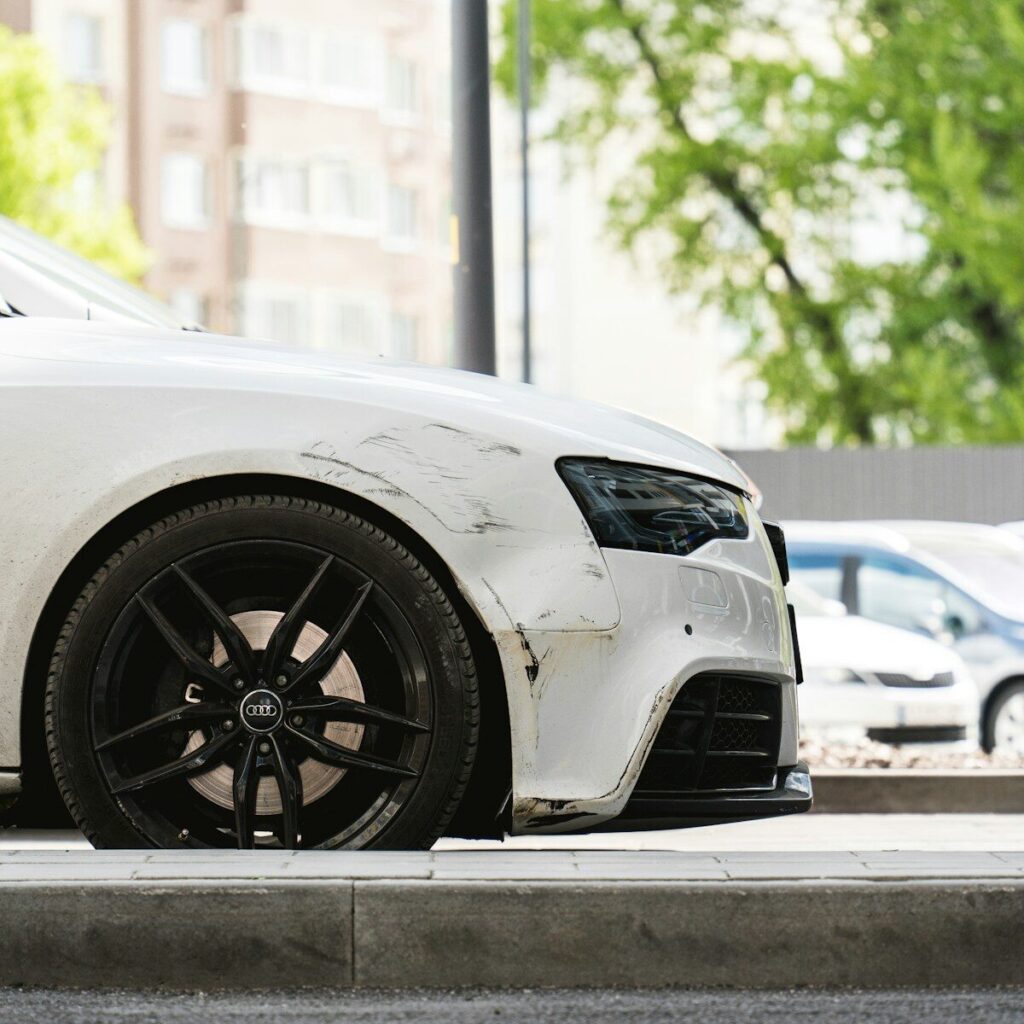
What Are The Main Types Of Car Scratches?
The main types of car scratches are surface scratches, clear coat scratches, paint scratches, and deep scratches that reach primer or bare metal.
Your car’s paint is usually made of three layers:
- Clear coat: The top layer that adds gloss and protection
- Color coat: The paint layer that gives your car its color
- Primer or metal: The deeper base layer underneath the paint
The deeper the scratch, the harder it is to repair at home.
Common Scratch Types
Most scratches fall into one of these categories:
- Surface scratches: Very light marks on the top layer
- Clear coat scratches: Scratches that affect the clear coat layer but not the color coat
- Paint scratches: Scratches that reach the car’s color coat
- Deep scratches: Scratches that expose primer or bare metal
Light scratches may only need polish. Deep scratches may need touch up paint, sanding, blending, or professional attention from a body shop.
How Can You Tell How Deep A Car Scratch Is?
You can usually estimate scratch depth by cleaning the area, looking closely at the mark, and using the fingernail test.
The fingernail test is simple. Gently run your fingernail across the scratched area.
What The Fingernail Test Can Tell You
- If your fingernail does not catch: The scratch may be shallow or in the clear coat.
- If your fingernail catches slightly: The scratch may be deeper and may need more than polish.
- If you see a different color under the scratch: It may have reached the paint layer or primer.
- If you see silver, gray, or bare metal: The scratch needs professional help quickly to prevent rust.
This test is not perfect, but it helps with managing expectations before you try DIY methods.
Why Does Scratch Depth Matter?
Scratch depth matters because different scratches need different repair methods.
A light clear coat scratch may improve with a car scratch remover, polishing compound, or rubbing compound. A deeper scratch may need touch up paint or professional body shop repair.
Using the wrong product can make the affected section look worse. For example, using too much pressure, wet sanding incorrectly, or rubbing too aggressively can dull the car’s finish instead of fixing the scratch.
Before you start, ask yourself:
- Is the scratch white, gray, or the same color as the car?
- Can I feel it with my fingernail?
- Does it look like it reached the paint layer?
- Is bare metal visible?
- Is the scratch long, deep, or jagged?
- Is it on black paint or another color that shows marks easily?
- Am I comfortable using compounds or touch up paint?
When in doubt, go slow.
How To Remove Scratches From Car Paint Step By Step
To remove scratches from car paint, clean the area first, identify the scratch type, test your product, apply a small amount, polish gently, wipe clean, and protect the area with wax.
This process is best for light scratches, surface scratches, and some clear coat scratches.
Step 1: Wash The Scratched Area
Start by washing the affected area with soapy water.
Dirt and debris can create new scratches if they get rubbed into the paint during scratch repair. Clean the area fully before using any product.
Use:
- Car wash soap
- Clean water
- Soft cloth or wash mitt
- Clean microfiber towel
Dry completely before moving to the next step.
Step 2: Inspect The Scratch Depth
Look closely at the scratch in good lighting.
Check whether the mark is only on the surface or whether it appears to cut through the car’s paint. Use the fingernail test gently.
If the scratch is deep, skip aggressive DIY methods and seek professional help.
Step 3: Choose The Right Scratch Remover
Choose a car scratch remover, rubbing compound, or polishing compound based on the scratch type.
Use:
- Scratch remover for very light scratches
- Polishing compound for light oxidation, hazing, and minor scratches
- Rubbing compound for slightly stronger correction
- Touch up paint for chips or deeper paint scratches
- Professional repair for deep scratches, bare metal, or large damaged areas
Always read the instructions before using any product.
Step 4: Test In An Inconspicuous Area
Before applying the product to the main scratch, test it in an inconspicuous area.
This helps make sure the product does not haze, dull, or discolor the car’s finish.
This is especially important for:
- Black paint
- Older paint
- Fresh paint jobs
- Specialty finishes
- Vehicles with previous paint correction
- Areas that already look thin or worn
Tiny test spot first. Big regret avoided.
Step 5: Apply A Small Amount
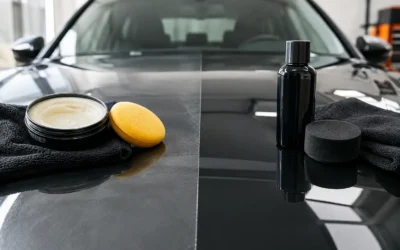
Apply a small amount of scratch remover or polishing compound to a clean microfiber cloth or applicator pad.
Do not glob it on. More product does not always mean better results.
Work the product into the scratched area using light pressure. Some products recommend a circular motion, while others recommend straight passes. Follow the product instructions.
Step 6: Buff And Wipe With A Clean Microfiber Cloth
After applying the product, wipe the area with a clean microfiber cloth.
Check the results before repeating. You may need more than one pass, but do not overdo it. Too much rubbing can remove more clear coat than necessary.
Step 7: Wax The Area For Protection
Once the scratch looks better, apply wax or paint protection to the area.
Scratch removal can reduce or remove wax from the surface. A fresh layer of protection helps restore shine and protect the clear coat.
At Fusion Car Wash, our exterior care helps Frederick drivers keep their vehicles clean, shiny, and better protected through regular washing and protective options.
Can A Car Scratch Remover Fix Every Scratch?
No, a car scratch remover cannot fix every scratch.
Car scratch remover works best on light scratches, surface scratches, and some clear coat scratches. It will not fully repair deep scratches that reach the color coat, primer, or bare metal.
A Car Scratch Remover May Help With:
- Light scratches
- Clear coat scratches
- Minor scratches
- Surface scuffs
- Faint swirl marks
- Shallow scratches from improper washing
A Car Scratch Remover May Not Fix:
- Deep scratches
- Paint chips
- Bare metal exposure
- Cracked paint
- Large scraped areas
- Damage from collisions
- Scratches where the fingernail catches deeply
A scratch remover can improve appearance, but it cannot replace missing paint.
How Do You Fix Clear Coat Scratches?
You can often fix clear coat scratches with a scratch remover, polishing compound, rubbing compound, or careful paint correction method.
Clear coat scratches are scratches in the top layer of the paint finish. Since they do not reach the color coat, they are usually the best candidates for DIY improvement.
Clear Coat Scratch Repair Tips
For clear coat scratches:
- Wash and dry the affected area.
- Use a clean microfiber towel.
- Apply a small amount of scratch remover.
- Work gently with proper technique.
- Wipe clean and inspect.
- Repeat only if needed.
- Add wax or protection afterward.
If the clear coat scratch is wide, deep, or highly visible, professional correction may still be the better option.
Can Polishing Compound Remove Light Scratches?
Yes, polishing compound can help remove or reduce light scratches by smoothing the clear coat and restoring shine.
Polishing compound is usually milder than rubbing compound. It can help with:
- Light scratches
- Swirl marks
- Minor haze
- Dull areas
- Surface imperfections
- Light oxidation
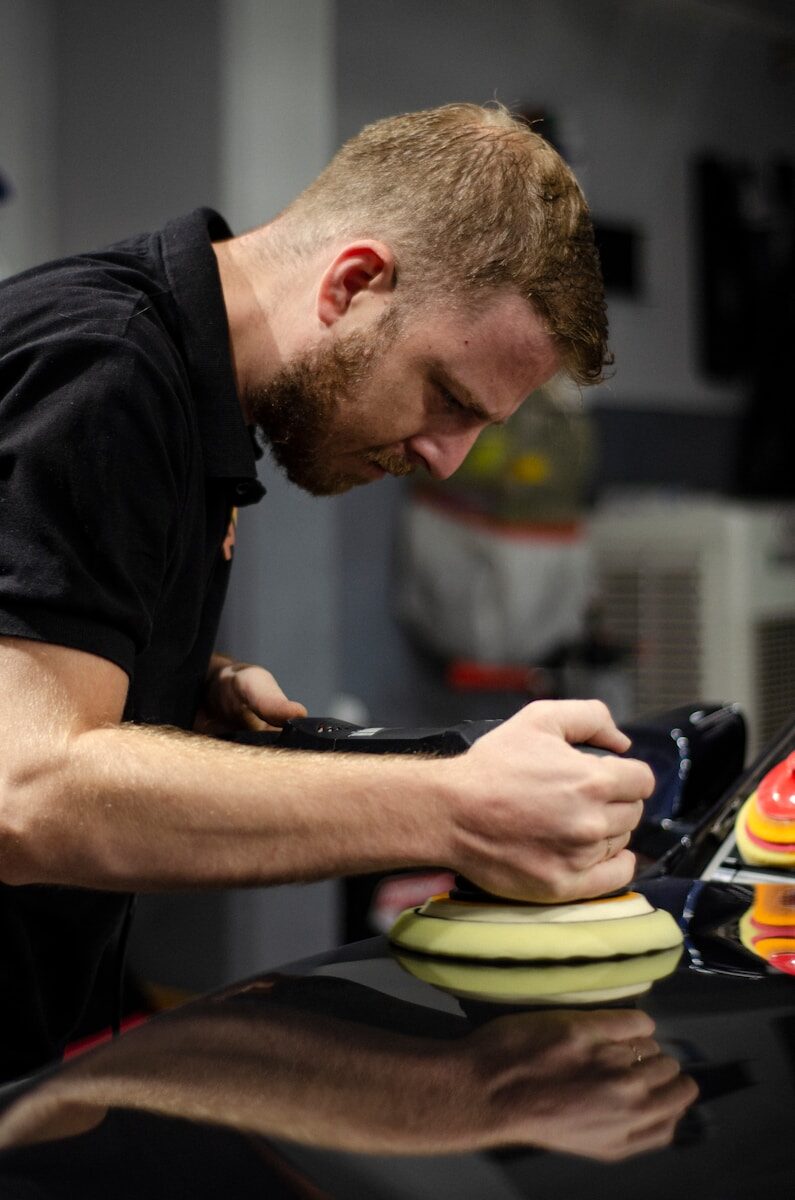
Use a clean microfiber cloth or applicator pad, and do not press too hard. The goal is to improve the surface, not grind through the clear coat.
When Should You Use Rubbing Compound?
Rubbing compound may help with scratches that are a little more noticeable than light surface marks, but it should be used carefully.
Rubbing compound is more aggressive than polishing compound. It can remove a small amount of clear coat to even out the surface around a scratch.
Use rubbing compound only when:
- The scratch is still in the clear coat
- The paint layer is not exposed
- You understand the product instructions
- You are comfortable working slowly
- You are prepared to polish and protect the area afterward
If you are unsure, start with the least aggressive method first.
Can Touch Up Paint Fix Car Scratches?
Touch up paint can help cover scratches that reach the color coat, but it takes patience and careful application.
Touch up paint works best for small chips, thin scratches, and areas where the car’s color has been removed. It is not the same as a professional repaint, but it can improve appearance and help protect the area.
Touch Up Paint Tips
Before using touch up paint:
- Match the car’s color code exactly.
- Clean the scratched area.
- Remove loose debris.
- Apply thin layers.
- Let each layer dry.
- Avoid applying too much paint at once.
- Follow with clear coat if recommended.
- Let it cure fully before polishing.
Touch up paint can help, but it may still be noticeable depending on the scratch depth, color, and location.
What Are Deep Scratches?
Deep scratches are scratches that cut through the clear coat and color coat and may reach primer or bare metal.
These scratches need more attention because exposed metal can rust. They are also harder to hide because the paint layer has been physically removed.
Signs Of Deep Scratches
A scratch may be deep if:
- Your fingernail catches in it
- You see primer
- You see bare metal
- The scratch looks white, gray, or silver
- The paint is chipped around it
- The area feels rough or gouged
- The scratch came from a collision, key, branch, or sharp object
Deep scratches usually need professional repair for the best results.
When Is A Body Shop Needed For Scratches?
A body shop is needed when scratches are deep, large, through the paint layer, exposing bare metal, or too severe for DIY methods.
Professional repair may include sanding, filling, priming, paint matching, blending, and clear coat application. This is especially important when the scratch affects a large area or a highly visible section of the car.
Visit A Professional Body Shop If:
- Bare metal is visible
- The scratch is deep and long
- The color coat is removed
- The scratch is near a dent
- The paint is cracked
- Rust is starting
- DIY methods made it worse
- The vehicle has a high-value paint job
- You want a flawless finish
- Insurance may be involved
For major damage, you may also need to contact your insurance company depending on how the scratch happened and your coverage.
Can Automatic Car Washes Cause Scratches?
Some automatic car washes can contribute to scratches if they use dirty brushes, harsh systems, or poor maintenance, but modern quality washes are designed to clean safely.
Improper washing is one of the most common causes of swirl marks and minor scratches. This can happen at home too, especially with dirty towels, rough sponges, or washing without rinsing loose dirt first.
Scratches From Improper Washing Can Come From:
- Dirty wash mitts
- Old sponges
- Harsh towels
- One dirty bucket
- Rubbing dry dirt
- Skipping the pre-rinse
- Using dish soap
- Circular motion with debris on the paint
- Poorly maintained equipment
- Scrubbing too hard
At Fusion Car Wash, we focus on safe, scratch-free washing systems that help protect your vehicle’s paint while delivering a detail-like shine at an everyday price.
How Can You Prevent New Scratches?
You can prevent new scratches by washing your car regularly, removing dirt safely, using proper tools, and protecting the paint with wax or sealant.
The best scratch repair is prevention. Little habits make a big difference.
Scratch Prevention Tips
To reduce new scratches:
- Wash your car regularly.
- Remove loose dirt before wiping.
- Use clean microfiber towels.
- Avoid dry wiping the paint.
- Park away from tight spaces when possible.
- Avoid brushing against the car with bags or keys.
- Clean bird droppings and tree sap quickly.
- Keep wax or protection on the paint.
- Use proper technique if washing at home.
- Choose a car wash that prioritizes paint safety.
Your car’s paint deals with enough from weather, salt, bugs, and parking lots. No need to give it extra chaos.
Can Wax Hide Scratches?
Wax can help hide very light scratches temporarily, but it does not truly repair them.
Wax fills and smooths the surface slightly, which can make minor scratches or swirl marks look less noticeable. But once the wax wears off, the scratches may show again.
Wax is best used as protection after cleaning, polishing, or scratch removal.
Wax Can Help With:
- Shine
- Paint protection
- Water beading
- Minor surface hiding
- Smoother finish
- Easier cleaning
Wax Cannot Fix:
- Deep scratches
- Missing paint
- Bare metal
- Gouges
- Cracked paint
- Rust
Think of wax as protection, not a magic eraser.
What Should You Know About Black Paint Scratches?
Black paint shows scratches, swirl marks, dust, and imperfections more easily than many lighter colors.
That does not mean black paint is weaker. It just shows contrast more clearly. Light reflects off the surface and makes scratches easier to see.
Black Paint Care Tips
If you have black paint:
- Wash regularly.
- Avoid dry wiping.
- Use clean microfiber towels.
- Remove loose dirt first.
- Do not scrub aggressively.
- Use proper drying technique.
- Keep wax or protection on the surface.
- Consider professional correction for visible swirl marks.
Black paint looks amazing when clean. It also tattles on every tiny mistake. Gorgeous, dramatic, high-maintenance energy.
What Are Common DIY Scratch Removal Mistakes?
The most common DIY scratch removal mistakes are using too much pressure, skipping the wash step, using the wrong product, sanding too aggressively, and expecting a deep scratch to disappear.
Avoid these mistakes:
- Rubbing dirt into the paint
- Using a dirty cloth
- Applying too much compound
- Pressing too hard
- Wet sanding without experience
- Skipping the test spot
- Using touch up paint too heavily
- Forgetting to wax afterward
- Trying to fix bare metal with polish
- Expecting perfect results from a cheap product
- Ignoring rust risk
DIY methods can help, but they have limits.
Why Is Managing Expectations Important With Scratch Repair?
Managing expectations is important because not every scratch can be fully removed at home.
Some scratches can disappear or become nearly invisible. Others may only improve slightly. Deep scratches, damaged paint, and exposed metal usually need professional repair to look right.
What DIY Scratch Repair Can Usually Do
DIY scratch repair may:
- Reduce light scratches
- Improve clear coat scratches
- Restore shine
- Minimize swirl marks
- Make minor scratches less noticeable
What DIY Scratch Repair Usually Cannot Do
DIY methods usually cannot:
- Replace missing paint perfectly
- Repair bare metal damage
- Fix rust
- Blend large damaged areas
- Match professional body shop results
- Fully erase deep scratches
The goal is to choose the right fix for the scratch, not force a product to do a job it was never meant to do.
How Does Washing Help Protect Your Car’s Paint?
Regular washing helps protect your car’s paint by removing dirt, debris, road salt, bird droppings, pollen, bugs, and grime before they damage the finish.
Many scratches happen because dirt sits on the surface and then gets rubbed across the paint. When you keep your car clean, there is less debris available to scratch the clear coat.
At Fusion Car Wash, our signature six-step Fusion Cleaning Process helps clean and protect your exterior through:
- Bath
- Prime
- Rinse
- Seal
- Wax
- Repel
This process is designed to give drivers a cleaner, shinier, better-protected vehicle without turning car care into a weekend project.
Why Choose Fusion For Regular Paint Care?
Fusion Car Wash helps Frederick drivers keep their cars cleaner, shinier, and better protected with fast, convenient, eco-friendly car care.
We are family-owned, community-trusted, and built for drivers who want a detail-like shine without the detail price. Whether you need a quick exterior wash, free vacuums, full-service options, steam treatment, ceramic-style protection, or an Unlimited Wash Club membership, we make it easier to care for your vehicle.
Regular car care can help:
- Remove dirt before it causes scratches
- Keep paint looking brighter
- Protect the clear coat
- Reduce buildup from salt and pollen
- Improve your car’s appearance
- Make small scratches easier to spot early
- Support long-term resale value
Quick wash. Big shine. No hassle.
Who Should Pay Extra Attention To Car Scratches?
Every driver should pay attention to scratches, but some vehicles and drivers need extra care.
This includes:
- Drivers with black paint
- Car enthusiasts
- New car owners
- Lease vehicle drivers
- Fleet and small business owners
- Drivers who park in tight lots
- Parents with busy family vehicles
- Anyone preparing to sell a car
- Drivers exposed to road salt and winter grime
- Vehicles with older or delicate paint
Small scratches are easier to handle early. Waiting can make repair more difficult.
What Should You Do Next?
Start by washing the affected area and checking the scratch depth.
Then decide what kind of repair makes sense:
- Use scratch remover for light scratches.
- Use polishing compound for minor clear coat scratches.
- Use touch up paint for small paint chips.
- See a body shop for deep scratches.
- Keep your vehicle clean to prevent new scratches.
If your car needs a fresh clean before or after scratch repair, Fusion Car Wash is here to help.
More Car Wash And Car Care Resources For Frederick Drivers
Want to learn more about keeping your vehicle clean, protected, and road-ready? These resources can help you compare car wash options, understand basic maintenance, protect your car’s interior, and make smarter car care decisions.
- Fusion Car Wash | Learn more about Fusion’s wash options, Fusion Cleaning Process, steam services, Unlimited Wash Club, and Frederick car wash locations.
- Fusion Car Wash About Us | Get to know Fusion’s family-owned approach, local Frederick roots, and customer-first car care philosophy.
- Fusion Car Wash Contact Page | Find Fusion’s location, contact information, and details for planning your next visit.
- Fusion Car Wash In Frederick | See why Frederick drivers choose Fusion for quick exterior washes, full-service packages, and everyday vehicle care.
- Fusion Interior Detailing In Frederick | Learn what interior detailing includes and why it matters for comfort, cleanliness, and resale value.
- Consumer Reports: How To Wash Your Car | A helpful guide on safe washing habits, proper car cleaning products, and mistakes to avoid.
- Consumer Reports: Are Car-Wash Extras Worth It? | A useful resource for understanding car wash upgrades, protection options, and when extras may make sense.
- AAA: Time-Stamped Car Maintenance Checklist | A simple maintenance guide for staying on top of oil changes, tire care, battery checks, and other routine vehicle needs.
- NHTSA TireWise Tire Safety Guide | Learn how to check tire pressure, tread depth, tire age, and other safety basics.
- IIHS Headlights Guide | A helpful resource on headlight performance, glare, low beams, high beams, and nighttime visibility.
- AutoZone: What Should Be In Your Car Detailing Kit | A practical guide to detailing kit essentials like microfiber towels, wheel brushes, glass cleaner, wax, and upholstery products.
- AutoZone: How To Detail A Car Step By Step | A beginner-friendly breakdown of exterior and interior detailing tools and steps.
- EPA: Vehicle And Equipment Washing Best Practices | A resource on wash water, runoff, and why proper vehicle washing practices matter for the environment.
- Maryland MVA: Selling A Vehicle | A Maryland-specific guide for title, lien, and paperwork steps when selling a vehicle.
- Maryland MVA: Buying A Vehicle | A useful resource for understanding title transfer, bill of sale, odometer details, and purchase paperwork in Maryland.
- FTC: Buying A Used Car From A Dealer | A consumer-friendly guide on used car buying, vehicle history reports, warranties, and dealer paperwork.
- Visit Frederick: Getting To And Around Frederick County | A local resource for Frederick County routes, highways, and travel context for drivers in the area.
FAQs About How To Remove Scratches From Car Paint
How Do I Remove Scratches From Car Paint?
Wash the area, check the scratch depth, apply the right scratch remover or polishing compound, wipe with a clean microfiber towel, and protect the area with wax.
Can A Car Scratch Remover Fix Deep Scratches?
No. A car scratch remover usually works best on light scratches and clear coat scratches. Deep scratches often need touch up paint or professional repair.
What Are Clear Coat Scratches?
Clear coat scratches are scratches in the top protective layer of the paint. They do not reach the color coat underneath.
How Do I Know If A Scratch Is Too Deep?
Use the fingernail test. If your fingernail catches deeply or you see primer or bare metal, the scratch likely needs professional repair.
Can Polishing Compound Remove Scratches?
Polishing compound can help remove or reduce light scratches, swirl marks, and minor clear coat imperfections.
When Should I Use Touch Up Paint?
Use touch up paint when the scratch reaches the color coat or when paint is missing from a small chip or nick.
Should I Go To A Body Shop For Car Scratches?
Go to a body shop if the scratch is deep, large, exposes bare metal, has rust, or needs a flawless finish.
Can Improper Washing Cause Scratches?
Yes. Improper washing with dirty towels, rough sponges, or poor technique can create swirl marks and minor scratches.
Does Wax Remove Scratches?
No. Wax may temporarily hide very light scratches, but it does not actually remove deep scratches or replace missing paint.
Can Fusion Help Protect My Car’s Paint?
Yes. Fusion Car Wash helps remove dirt, salt, pollen, bugs, and grime while offering protective wash options that help keep your car looking cleaner and shinier.