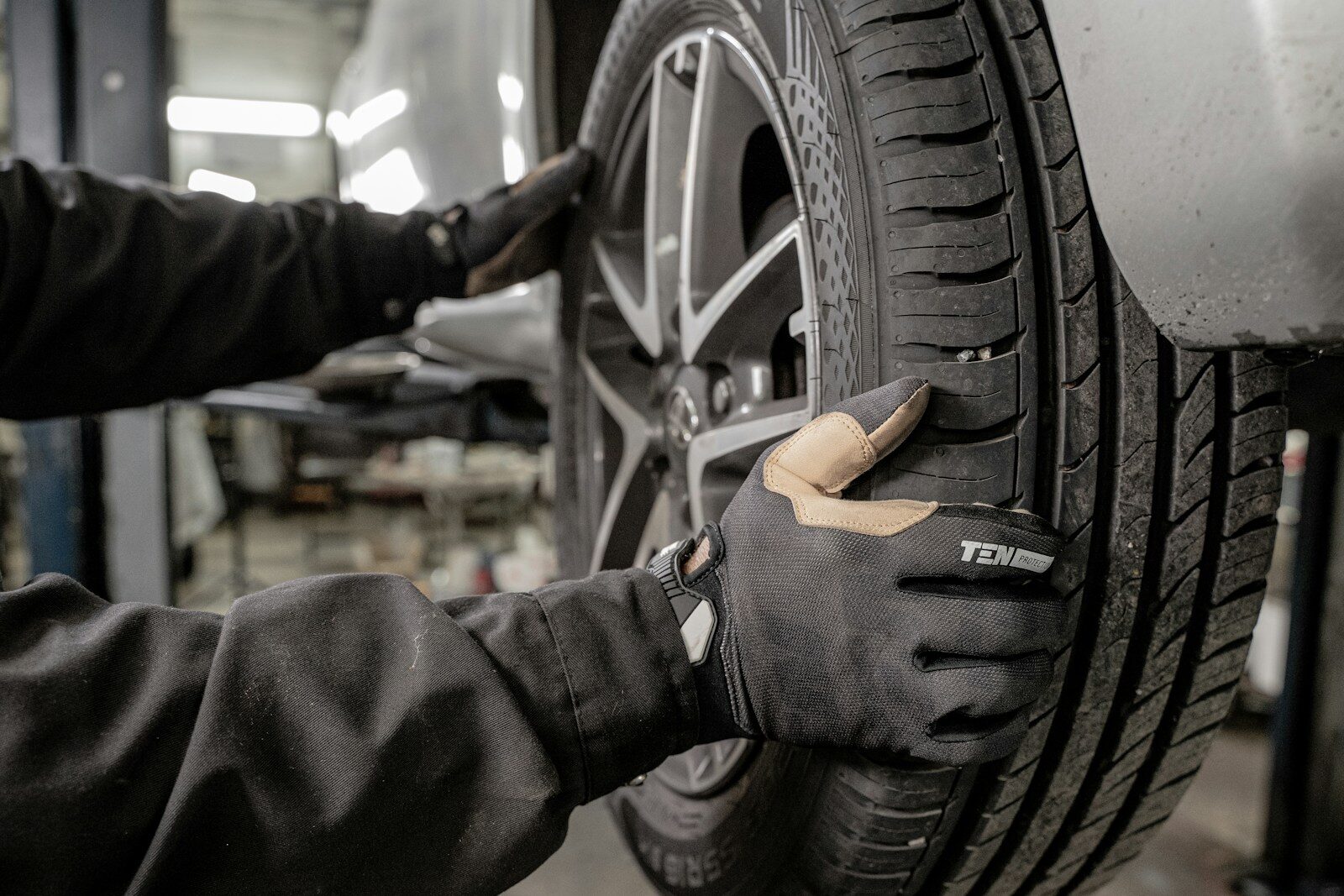
Most tires last 50,000 to 80,000 miles, or about three to five years of typical driving, though many factors—like driving habits, proper maintenance, and service conditions—impact tire life. The National Highway Traffic Safety Administration (NHTSA) recommends that all tires, including the spare tire, be replaced every six to ten years, regardless of mileage or tread depth, since rubber compounds naturally degrade over time.
Tire care is essential for keeping your car safe and secure. Your vehicle relies on four patches of rubber to grip the road, maintain traction, handle turns, and provide control across all conditions—including rain, snow, ice, or summer heat. Proper maintenance of your tires is one of the simplest ways to ensure you and your car work harder at staying safe and performing well.
At Fusion Car Wash, we help Frederick, Maryland, drivers keep their vehicles and wheels clean, easily revealing signs of tread wear, punctures, cracks, or other hazards. Clean tires and wheels make it much easier to spot uneven tread wear, vibration issues, or problems with tire balance, allowing you to replace tires on time and maintain overall control.
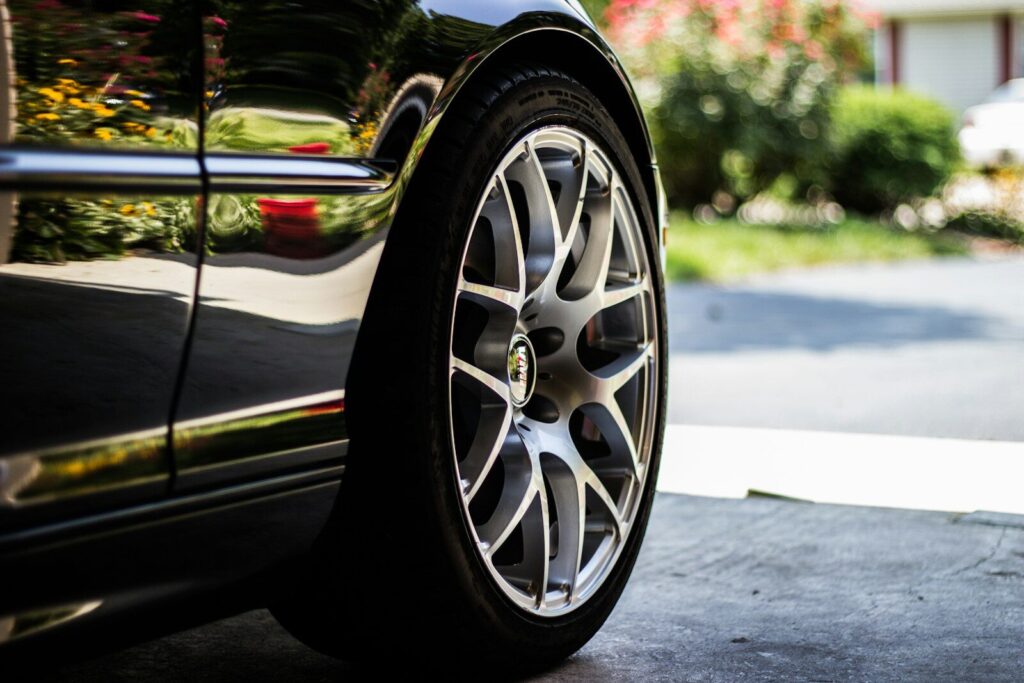
What Is the Average Tire Lifespan in Years and Miles?
Most tires last between 50,000 and 80,000 miles, translating into roughly three to five years of typical use; however, the exact service life and how long tires last vary. Many factors—including driving habits, maintenance, road conditions, rubber compounds, and whether you drive summer tires, snow tires, or all-season tires—determine tire life. Vehicle manufacturer recommendations and tire manufacturer warranty coverage also influence expectations.
How many miles a set of tires will last depends on the brand, tread surface, weather, maintenance practices, and whether you avoid hazards like potholes. Not all tires are alike: some wear more quickly, especially performance and summer tires designed for specific weather conditions. Even new tires can degrade if exposed to direct sunlight, improper inflation, or not rotated regularly. Rubber breaks down over time regardless of miles. That’s why both chronological age and tread depth matter.
When customers ask “how long do tires last” or “how long tires should last,” we emphasize that for most tires, the answer depends on more than mileage—age, maintenance, and service conditions play a role.
How Many Miles Should New Tires Last Before Replacement?
New tires should generally last between 50,000 and 80,000 miles, but tire service life depends on many factors. Tire longevity varies by tire type, the rubber compounds used, vehicle type, and driving conditions. For example, summer tires and high-performance tires often wear more quickly due to softer tread, while many tires on heavier vehicles or aggressive drivers may also have reduced tire life.
Checking your vehicle manufacturer’s and tire manufacturer’s guidelines is the best way to determine how many miles you should expect from your tires. Keep in mind, road conditions, weather (including ice, snow, and rain), and maintenance—such as proper alignment and regular rotation—also contribute to how long tires and wheels last.
A tire’s tread surface and depth are just as important as mileage. Tires may need to be replaced based on tread wear, visible cracks, or the tire’s chronological age, not just mileage. Old or damaged tires, even with good tread, should be replaced to ensure safe and secure handling, grip, and control.
Why Does Tire Tread Depth Matter for Driving Safety?
Tire tread depth is the measurement of the grooves on the tread surface. These grooves allow your tire to maintain traction by channeling water, snow, or slush away from the contact patch. Adequate tread depth is essential for maintaining grip and helping prevent reduced traction in specific weather conditions.
When tread depth falls below 4/32 of an inch, your stopping distance increases, and your tires lose the ability to perform in rain, ice, or snow. Low tread depth and uneven tread wear (often caused by improper alignment, lack of rotation, or poor suspension) increase the chance of hydroplaning and loss of control.
Checking tread depth regularly helps you know when to replace tires before control or safety is compromised. Clean wheels and tires make it easier to detect wear and other signs of issues, ensuring your vehicle stays safe and secure.
How Do You Check Tire Tread Depth Using the Penny Test?
The “penny test” is a quick way to check your tire tread depth. To perform it, insert a standard penny into the main tread groove with Lincoln’s head pointing down. If you see the top of Lincoln’s head, your tread is below 2/32 of an inch—the minimum legal limit—and you should replace your tires immediately.
This simple test is great for catching worn-down tread, but always check multiple spots and all tires, as uneven wear might point to mechanical issues. For best results, combine the penny test with professional inspections and a tread depth gauge to confirm your tire’s safety.
Remember, uneven tread depth (when one section measures less than the rest) or obvious differences between tires could mean problems with alignment, balance, or other components. The penny test can also help spot areas that wear more quickly than others, revealing where tires need service or replacement.
At What Point Should You Replace Your Vehicle’s Tires?
Tires should be replaced based on multiple warning signs: low tread depth, visible uneven tread wear, tire sidewall cracks, punctures, the tire service life limit (often determined by the DOT number or manufacturer), persistent loss of traction, or unsafe vibration.
Don’t wait until you lose control or experience a blowout—replace your tires as soon as they show signs of wear, cracks, or other hazards. Also, replace any tires older than what’s recommended (usually six to ten years), even if the tread looks good, since rubber deteriorates regardless of mileage.
Pay special attention to issues like:
- Low tread depth (below 2/32 inch or failing the penny test)
- Sidewall cracks or bulges
- Loss of handling, grip, or increased stopping distance
- Repeated air loss, especially after potholes, curbs, or projectiles
- Rattling or vibration while driving
Always follow tire and vehicle manufacturer advice on service life and safety.
What Are the 10 Warning Signs It’s Time to Replace Tires?
To determine when it’s time to replace tires and keep your car safe and secure, watch for these 10 tire wear and damage warning signs:
1. Tire Tread Depth Is Too Low
Low tread decreases grip, especially in rain, snow, or ice.
2. Tires Fail the Penny Test
Seeing all of Lincoln’s tires means it’s time to replace them.
3. Uneven Tread Wear Is Visible
Uneven tread often results from alignment or balance issues and can indicate parts like wheels or suspension need maintenance.
4. Tire’s Sidewall Has Visible Cracks
Cracking happens due to chronological age, direct sunlight, service conditions, or rubber breakdown.
5. Persistent Vibration While Driving
Vibration can mean poor balance, bad alignment, damaged wheels, or internal tire wear.
6. Frequent Loss of Air
Loss of air could result from punctures, valve issues, or poor bead seal.
7. Visible Punctures or Other Hazards
Contact with nails, glass, or other hazards (like debris, curbs, or potholes) may require new tires.
8. Reduced Traction in Rain or Snow
If your tires can’t maintain traction in specific weather conditions, the rubber or tread may be worn.
9. Tires Exceed Safe Service Life
Check the DOT number to determine if the tires are too old.
10. Replacement Needed After Seasonal Wear
Extreme weather (including summer heat, snow, or ice) or rough service conditions can reduce tire life.
How Do Your Driving Habits Affect How Long Tires Last?
Your driving style is one of the many factors that determine tire wear and how long tires last. Aggressive driving, quick starts, hard braking, and sharp cornering make tires work harder and wear more quickly.
Hitting potholes, curbs, and carrying heavy loads also put stress on tires, shortening their service life and causing damage that leads to early replacement.
Maintaining good driving habits—smooth acceleration, moderate speeds, and regular tire rotation—helps maximize tire life and ensures better performance, mileage, and safety.
What Road Conditions and Other Hazards Shorten Tire Life?
Road conditions—like potholes, gravel roads, and rough surfaces—as well as environmental hazards (direct sunlight, rain, ice, snow, and debris) can severely shorten tire life.
Potholes, curbs, and other hazards cause tire cracks, tears, or punctures. Weather elements, including sunlight, cause rubber compounds to dry out and reduce traction. Poorly maintained roads and construction zones expose tires to further risks.
Consistent cleaning helps reveal these hazards and supports proper maintenance, so you can address wear, age, or damage before it becomes a safety issue.
How Do You Read a Tire DOT Number to Determine Its Age?
The DOT number, found on the tire’s sidewall, identifies the week and year the tire was manufactured. To determine the tire’s age, look at the last four digits; for example, “2519” means the tire was made in the 25th week of 2019.
Knowing your tire’s chronological age is important, since many tires should be replaced at six to ten years old, regardless of miles or tread depth. This helps keep your car safe and secure under all service conditions.
If the DOT number is missing, hard to read, or your tire shows visual signs of age, consult your tire or vehicle manufacturer or ask a professional for advice on replacement.
Does a Spare Tire Last As Long As Regular Tires?
A spare tire, especially compact “donut” types, is not meant to last as long as your regular tires. Spare tires will age and lose air pressure over time, even when unused.
Always check your spare’s air pressure, sidewall, DOT number, and inspect for cracks, damage, or rubber breakdown. Remember, many compact spares have strict speed or mileage limits.
Replace the spare as needed, and never ignore this tire—no one wants to discover a flat spare after a puncture.
What Proper Maintenance Steps Help Tires Last Longer?
To extend tire life and maximize performance:
- Keep tires inflated to the vehicle manufacturer’s specifications.
- Rotate tires every 5,000 to 8,000 miles for even wear.
- Balance and align wheels regularly to avoid vibration and uneven tread.
- Inspect tread depth, sidewalls, and overall wear.
- Clean wheels and tires often to spot cracks, debris, or damage.
- Check your spare tire during every maintenance check.
Performing these steps ensures that your tires, no matter the type, last as long as possible and maintain traction, handling, and overall control.
Why Does Cleaning Your Wheels and Tires Support Vehicle Safety?
Clean wheels and tires aid in spotting cracks, bulges, sidewall tears, and other issues early, supporting a safer ride. Washing away brake dust, debris, and road grime prevents gradual wear and hidden damage to the vehicle’s rubber and wheels.
Fusion’s advanced wash process protects all parts of your vehicle—maintaining cleanliness removes grime that can hide damage, helping you notice when tires or the vehicle need service, alignment, or replacement. Clean wheels and tires provide not only appearance benefits but also support proactive, safe vehicle maintenance.
When Should You Ask a Tire Professional for Help?
Ask a professional for help with your tires whenever you notice wear, vibration, reduced traction, cracks, punctures, or issues with air pressure. Tire technicians can diagnose mechanical problems (like alignment or balance), check the tire’s age using the DOT number, and determine if tires or wheels need to be replaced based on wear or specific service conditions.
Never risk guessing—if you doubt your tires’ service life or safety, consult your tire, vehicle manufacturer, or department expert.
How Can You Keep Your Vehicle Clean, Safe, and Ready for the Road?
Most tires last between 50,000 and 80,000 miles (about three to five years); however, tire life depends on tread depth, chronological age, maintenance, miles, vehicle type, and driving habits, as well as factors like rubber compounds, manufacturer, and service conditions. Other key contributors include alignment, balance, exposure to direct sunlight, specific weather conditions, cracks, and road hazards.
Fusion Car Wash recommends regular cleaning, maintenance, and professional inspections to keep your car, wheels, and tires—new or old—safe and secure. Sign up for our Unlimited Wash Club to make routine cleaning easy, or visit us for a full-service experience to keep your vehicle ready for all road conditions, rain, snow, or shine.
More Car Wash And Car Care Resources For Frederick Drivers
Want to learn more about keeping your vehicle clean, protected, and road-ready? These resources can help you compare car wash options, understand basic maintenance, protect your car’s interior, and make smarter car care decisions.
- Fusion Car Wash | Learn more about Fusion’s wash options, Fusion Cleaning Process, steam services, Unlimited Wash Club, and Frederick car wash locations.
- Fusion Car Wash About Us | Get to know Fusion’s family-owned approach, local Frederick roots, and customer-first car care philosophy.
- Fusion Car Wash Contact Page | Find Fusion’s location, contact information, and details for planning your next visit.
- Fusion Car Wash In Frederick | See why Frederick drivers choose Fusion for quick exterior washes, full-service packages, and everyday vehicle care.
- Fusion Interior Detailing In Frederick | Learn what interior detailing includes and why it matters for comfort, cleanliness, and resale value.
- Consumer Reports: How To Wash Your Car | A helpful guide on safe washing habits, proper car cleaning products, and mistakes to avoid.
- Consumer Reports: Are Car-Wash Extras Worth It? | A useful resource for understanding car wash upgrades, protection options, and when extras may make sense.
- AAA: Time-Stamped Car Maintenance Checklist | A simple maintenance guide for staying on top of oil changes, tire care, battery checks, and other routine vehicle needs.
- NHTSA TireWise Tire Safety Guide | Learn how to check tire pressure, tread depth, tire age, and other safety basics.
- IIHS Headlights Guide | A helpful resource on headlight performance, glare, low beams, high beams, and nighttime visibility.
- AutoZone: What Should Be In Your Car Detailing Kit | A practical guide to detailing kit essentials like microfiber towels, wheel brushes, glass cleaner, wax, and upholstery products.
- AutoZone: How To Detail A Car Step By Step | A beginner-friendly breakdown of exterior and interior detailing tools and steps.
- EPA: Vehicle And Equipment Washing Best Practices | A resource on wash water, runoff, and why proper vehicle washing practices matter for the environment.
- Maryland MVA: Selling A Vehicle | A Maryland-specific guide for title, lien, and paperwork steps when selling a vehicle.
- Maryland MVA: Buying A Vehicle | A useful resource for understanding title transfer, bill of sale, odometer details, and purchase paperwork in Maryland.
- FTC: Buying A Used Car From A Dealer | A consumer-friendly guide on used car buying, vehicle history reports, warranties, and dealer paperwork.
- Visit Frederick: Getting To And Around Frederick County | A local resource for Frederick County routes, highways, and travel context for drivers in the area.

Frequently Asked Questions
What Is the Minimum Safe Tread Depth for Tires?
Tires should be replaced when tread depth drops below 2/32 of an inch, with experts recommending replacement at 4/32 inch or less for safer wet-weather performance and traction.
How Much Does It Cost to Replace a Set of Tires?
Replacing four standard new tires typically costs $400 to $800. Performance, truck, or specialty tires may cost over $1,000 per set. Always include installation, balancing, and alignment in your budgeting.
Can I Replace Just One Tire Instead of All Four?
It’s possible to replace just one tire if the tread depth matches the others and they’re similar in age. However, for all-wheel-drive (AWD) cars, it’s often necessary to replace all four tires together to avoid damaging the drivetrain.
How Often Should Tires Be Rotated?
Regular rotation, every 5,000 to 8,000 miles, helps ensure even tread wear and can lengthen tire service life and performance.
Does Parking My Car Outside Shorten Tire Lifespan?
Yes—direct sunlight and exposure to the elements speed up rubber aging and can lead to cracks, tears, and reduced tire life, even on tires with low mileage.
Should I Replace Tires That Look Fine but Are More Than Six Years Old?
Yes. Many tires should be replaced at six to ten years old, even if the tread looks okay. The rubber compounds degrade over time, so always check the tire’s chronological age using the DOT number and the manufacturer’s recommended tire service life.