A vehicle can look dull for two very different reasons: the paint may be covered in grime and lose its protection, or it may have fine scratches and oxidation that are affecting the finish itself. That is why the car wax versus polish question matters. Wax protects the surface. Polish improves the surface. Knowing the difference helps you choose the right service instead of expecting one product to do both jobs.
For drivers around Frederick, Maryland, paint takes a beating. Pollen, summer sun, winter salt, rain, construction dust, and daily commuting can quickly take away that freshly cleaned look. The right care routine keeps your vehicle looking sharper and makes routine washing more effective.
Car Wax Versus Polish: The Core Difference
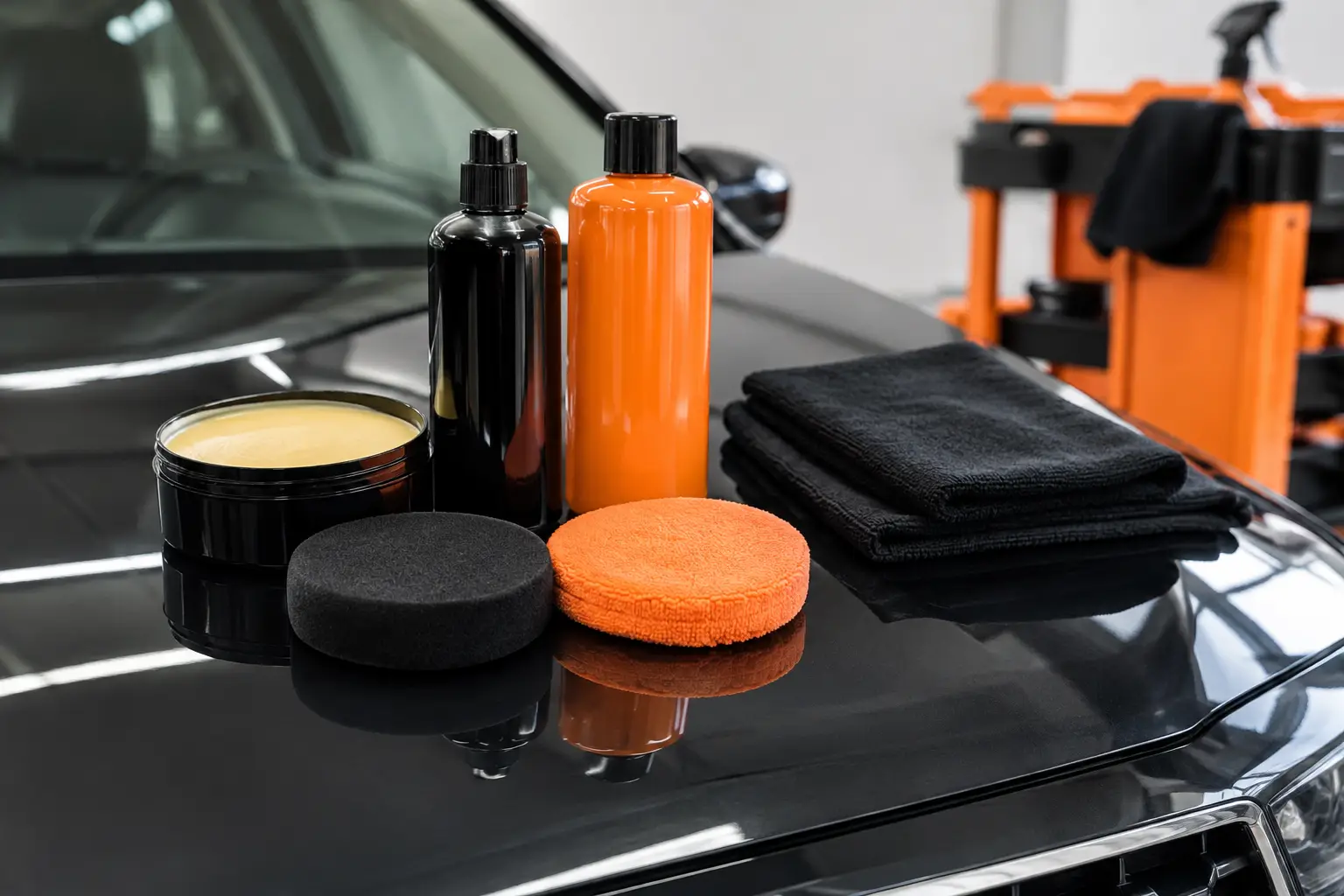
Car wax is a protective top layer. It sits on top of clean paint and helps water, dirt, road film, and other contaminants release more easily. A good wax also adds gloss, making the color look deeper and the finish look smoother. Think of wax as a shield for paint that is already in good condition.
Polish is a correction step. It contains mild abrasives or cleaners designed to reduce the appearance of light swirls, haze, oxidation, water spots, and other surface-level imperfections. Rather than simply coating the paint, polish refines it by removing a very small amount of the damaged or dull outer surface.
Neither is automatically better. They solve different problems. If your paint looks healthy but no longer beads water or has lost some shine, wax is often the right answer. If it looks cloudy, faded, or covered in fine wash marks, polishing may be needed before applying protection.
What Car Wax Does Well
Wax is a smart choice for regular paint maintenance. After a proper wash, it creates a smoother surface that helps water bead and makes it harder for dirt to stick. That can make the next wash easier while helping your vehicle maintain a clean, glossy appearance between visits.
Wax is especially useful when your vehicle is exposed to frequent outdoor conditions. Maryland weather can bring one challenge after another, from spring pollen to summer UV exposure and winter road treatment. While wax does not make a vehicle invincible, it gives contaminants less direct contact with the paint and adds an extra layer of care.
The visible benefit is immediate. Paint often looks richer after a wax application, particularly on darker colors that show dust and light scratches quickly. On a well-maintained vehicle, a quality wax service can be the finishing touch that makes a clean car look truly polished.
Wax does have limits. It will not remove scratches, eliminate etched water spots, or reverse serious oxidation. It may fill in very fine marks temporarily, making them less noticeable, but those imperfections are still there. If the paint needs correction, applying wax first can hide the issue without addressing it.
How Long Does Wax Last?
Durability depends on the product, the condition of the paint, where the vehicle is parked, and how often it is washed. Traditional wax protection generally needs to be refreshed more often than longer-lasting sealants or ceramic protection. Frequent exposure to sun, salt, and harsh contaminants can shorten its lifespan.
That is not a reason to skip wax. It is a reason to make protection part of a consistent care routine. Regular washes and recurring protection are usually more effective than waiting until the finish looks neglected.
What Polish Does Well
Polish is used when the goal is to improve the paint’s appearance, not just protect it. Light polishing can restore clarity to a finish that has begun to look tired. It can reduce fine swirl marks left by improper washing, lessen mild oxidation, and bring back reflectivity that gets lost over time.
The results can be dramatic when the paint is otherwise in decent shape. A vehicle that looks grayish, hazy, or flat in direct sunlight may look noticeably clearer after the right polish. On a lighter-colored vehicle, the change can be subtle but still meaningful. On black, dark blue, or deep red paint, polishing often makes the finish look much more refined.
Polish should be approached with care. Because it works by refining the surface, it is not something to use aggressively or unnecessarily. Modern vehicle paint has a clear coat, and excessive polishing over the years can reduce that clear coat. The best approach is to use the least aggressive method that delivers the improvement your paint needs.
Polish also does not provide lasting protection by itself. Once the paint has been corrected, it should be protected with wax, a sealant, or ceramic protection. Otherwise, the newly improved surface is immediately exposed to the same elements that caused the dullness in the first place.
When Polishing Is Not the Right Move
Not every mark can be polished away. Deep scratches that catch a fingernail, chipped paint, cracking clear coat, and damage that reaches the color layer need a different repair solution. A polish may make the surrounding area look better, but it cannot replace missing paint.
Freshly painted panels also need special handling. Depending on the paint process and the repair shop’s recommendations, applying certain protectants too soon may not be appropriate. When in doubt, follow the guidance from the professional who completed the paintwork.
Should You Wax, Polish, or Do Both?
For many vehicles, the best answer is both – in the right order. First, wash the vehicle thoroughly. Next, polish if the paint has visible dullness, light swirls, or oxidation. Then apply protection to preserve the improved finish. This sequence delivers a better-looking result and helps it last.
If your car is newer, frequently washed, and free of noticeable paint defects, you may only need wax or another protective service. There is no benefit in polishing paint that does not need correction. Protection and careful washing can keep a healthy finish looking great for longer.
If your vehicle has been through several Maryland winters, sits outside, or has not received regular paint care, it may benefit from a closer look. What seems like permanent dullness can sometimes be surface contamination or oxidation that responds well to professional attention.
Wax, Sealant, and Ceramic Protection Are Not the Same
Wax is often used as a catch-all term for paint protection, but there are meaningful differences between products. Traditional wax is valued for its warm shine and familiar finish. Synthetic sealants are designed for longer-lasting protection and often provide strong water beading. Ceramic protection is intended to offer a more durable protective layer with excellent gloss and hydrophobic performance.
The right option depends on your vehicle, your budget, and how you use it. A garage-kept weekend car has different needs than a family SUV handling school drop-offs, work commutes, grocery runs, and rainy-day errands. A driver who wants quick, consistent upkeep may prefer routine wash protection. Someone focused on longer-term finish preservation may choose a more advanced protection option.
At Fusion Carwash, the goal is to make that decision straightforward. Choose the level of cleaning and protection that matches how you drive, then let a professional process handle the details while you get time back in your day.
Keep the Finish Looking Better Between Services
Paint protection works best when paired with smart maintenance. Wash away bird droppings, bug residue, tree sap, and road salt as soon as practical, since these contaminants can become harder to remove when they sit. Avoid using household cleaners or rough towels on the paint, as both can cause damage or strip protection.
It also helps to wash regularly rather than waiting until the vehicle looks heavily soiled. Dirt acts like a mild abrasive when it is rubbed across paint. Consistent professional washing removes grime with the proper products and process, reducing the temptation to wipe down a dusty vehicle at home.
Your vehicle does not need perfection to look cared for. It needs the right next step. If the paint is clean but unprotected, add wax or another protective finish. If it is dull or lightly scratched, consider polish first, then protect the fresh result. A little attention at the right time can keep your car looking like a vehicle you are proud to pull into the driveway.