Your car can leave the driveway clean on Monday and look tired by Wednesday. Between Route 15 traffic, construction dust, rain, pollen, parking lots, and daily school or work runs, Frederick-area commuters put a lot on their vehicles without always noticing it. A practical commuter wash routine keeps that buildup from becoming the kind of grime that is harder to remove, dulls the finish, and makes every drive feel less put together.
The goal is not to make car care another chore on an already full calendar. It is to create a repeatable rhythm that fits the way you actually drive. With a few simple checkpoints and the right wash frequency, you can keep your vehicle looking cared for while protecting the surfaces that take the most abuse.
Why commuters need a different wash schedule
A car that sits in a garage most days does not face the same conditions as a vehicle that travels 30, 50, or more miles each weekday. Commuters collect a steady layer of contaminants: road film, brake dust, bug residue, tree debris, bird droppings, and whatever the weather leaves behind. During winter, road salt and slush are especially tough on lower panels, wheels, and the underbody. In spring, pollen can coat a vehicle almost overnight.
Waiting until the car looks visibly dirty is understandable, but it is not always the best signal. Some of the most damaging buildup is easy to miss. Road salt can cling underneath the vehicle, while thin road film can make paint feel rough even when the color still looks fairly clean.
A routine wash helps remove those contaminants before they have time to sit. It also gives you a regular moment to notice small issues, such as a new windshield chip, low tire pressure, worn wiper blades, or a leaking drink in the cup holder. Clean cars are easier to inspect, and that matters when your vehicle is part of your daily work and family schedule.
Build your commuter wash routine around your miles
For most commuters, a wash every one to two weeks is a practical starting point. The right timing depends on where you park, how far you drive, the season, and whether you travel on treated roads. Someone with a short commute and covered parking may do well every other week. A driver who parks outdoors, drives highways daily, or travels rural roads may need a weekly visit to stay ahead of grime.
Instead of treating every wash as a major event, use a simple three-level approach.
Your regular wash: every one to two weeks
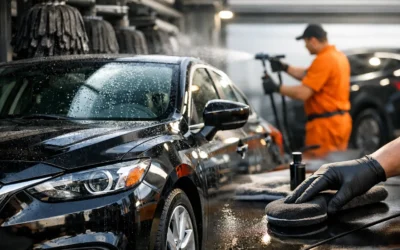
Your regular wash should focus on the exterior surfaces that take the daily hit: paint, glass, wheels, tires, and lower body panels. Choose a wash package that delivers a thorough clean and includes protection appropriate for regular use. Wax, sealant, or ceramic-based protection can help water bead away and make the next round of dirt easier to remove.
If you commute before sunrise or after dark, clean glass deserves extra attention. A clear windshield is not just about appearance. It helps you see better when glare, rain, salt spray, and headlight reflections make the drive more demanding. Water-repellent treatment can be particularly useful during Maryland’s rainy stretches.
Your quick reset: whenever the car feels cluttered
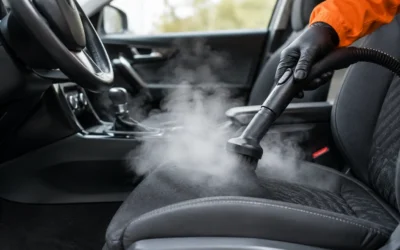
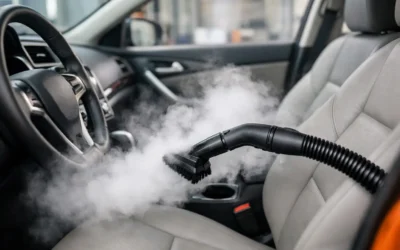
The interior usually does not need a full detail every week, but it does benefit from quick resets. Once a week, remove trash, shake out mats, and vacuum the visible dirt from the front seats and floor. This takes only a few minutes when you stay ahead of it.
Keep one small bag or container in the vehicle for receipts, wrappers, and other daily clutter. Families may need a separate approach for kids’ items, sports gear, or work supplies, but the principle is the same: do not let loose items become permanent passengers. A clean cabin makes the morning commute calmer, especially when you are already trying to get everyone out the door.
Your deeper clean: every month or season
Monthly is a good rhythm for more thorough interior attention. Wipe down high-touch areas, clean cup holders, vacuum under the seats, and address spills before they stain. If your vehicle carries children, pets, work equipment, or frequent passengers, you may need this level of care more often.
Seasonal cleaning is also the time to focus on what daily washes cannot fully address. Winter calls for careful underbody cleaning to remove salt and brine. Spring is a smart time to clear out pollen and clean the glass thoroughly. Summer brings bugs, sap, and sun exposure. Fall means leaves and moisture around windshield channels, door jambs, and floor mats.
Match the wash to the season, not just the calendar
A fixed schedule is helpful, but weather should have the final say. After a heavy rain, it may seem unnecessary to wash your vehicle. Yet rainwater often leaves behind mineral spots, and wet roads can throw more grime onto the lower panels than a dry commute does. If the car still looks clean after rain, a full wash can wait. If it is streaked with road film, do not assume the rain did the cleaning for you.
Winter deserves the most frequent attention. Salt is useful on the road, but it is not friendly to your vehicle’s finish or undercarriage. Wash soon after driving through heavily treated conditions, especially if temperatures rise enough for slush and spray to reach every lower surface. An underbody wash is a worthwhile choice for regular winter drivers.
In summer, the biggest priority is prompt removal. Bug residue, bird droppings, and tree sap can become harder to remove when they bake in the sun. You do not need to schedule a complete wash for every spot, but do not leave those contaminants sitting for weeks. A quick rinse or spot clean between regular visits can prevent a small problem from becoming a stubborn one.
Choose convenience you can repeat
The best commuter wash routine is the one you can keep. If you prefer to stay in the vehicle and get back to your day quickly, an express wash with free vacuums may be the right fit. If your schedule is packed and your interior needs attention as much as the outside, full-service care can save real time. Relax while the details are handled, then leave in a vehicle that feels ready for the week.
There is also a budget decision to make. Single washes work well for occasional drivers or people whose vehicle stays clean longer. For high-mileage commuters and busy families, an unlimited monthly wash plan can offer better value and remove the question of whether this week is the right time to wash. When weather changes or your car picks up grime faster than expected, you can wash without rethinking the cost each visit.
At Fusion Carwash, that flexibility matters because no two commuters use their vehicles the same way. A compact car driven from Urbana to Frederick has different needs than an SUV handling carpools, grocery trips, and a longer daily commute from Middletown or Adamstown.
Protect the areas commuters overlook
Paint gets most of the attention, but several less visible areas deserve a place in your routine. Wheels and tires collect brake dust and road grime quickly, making even a freshly washed car look unfinished when they are ignored. Tire shine is optional, but clean tires and wheels make a noticeable difference in the overall appearance of the vehicle.
Door jambs are another easy-to-miss spot. They gather moisture, dust, and grime, particularly during wet seasons. Keeping them clean helps the vehicle feel cleaner every time you get in or out. Floor mats matter, too. They hold salt, mud, crumbs, and moisture that can migrate into the carpet if left too long.
Protection is not only for people who consider themselves car enthusiasts. A quality protectant gives everyday drivers a practical advantage: grime is less likely to cling tightly, water clears more easily, and regular cleaning becomes simpler. The best option depends on your budget, how long you plan to keep the vehicle, and whether you park outside. A basic wash can maintain a clean appearance, while wax, sealant, or ceramic protection adds another layer of help for vehicles exposed to daily conditions.
Make the routine easy on busy weeks
Attach your wash to something already on your calendar. Visit after grocery shopping, on the way home Friday, or before the weekend begins. Commuters who make washing a decision every time often postpone it. Commuters who build it into a regular errand route tend to keep their vehicles cleaner with less effort.
Keep a microfiber cloth and a small interior trash bag in the car for the occasional quick fix. Use them for small spills and dusty dashboard surfaces, not as a substitute for professional washing. Avoid using old paper towels or harsh household cleaners on interior screens and delicate trim, since they can scratch or leave residue.
Your vehicle works hard all week. Give it a wash routine that works just as hard for you: consistent enough to protect what you drive, flexible enough for real life, and convenient enough to keep going when the week gets busy.