A clean car should not come with a scratched finish. That is the concern behind the question, are automatic washes safe – especially for drivers who want to keep up with Frederick’s pollen, winter road salt, summer dust, and everyday commuter grime without spending every Saturday washing at home.
For most vehicles, a well-run automatic car wash is safe and can be a smart part of regular vehicle care. The key is choosing a wash that uses maintained equipment, quality cleaning products, and a process designed to lift dirt before anything touches the paint. Not all automatic washes are operated to the same standard, and the condition of your vehicle matters too.
Are Automatic Washes Safe? The Short Answer
Yes, modern automatic washes are generally safe for factory paint, clear coats, glass, wheels, and exterior trim. Professional washes are built to clean quickly while reducing the abrasive friction that causes visible damage. Pre-soak solutions loosen road film, lubricating soaps help dirt rinse away, and controlled equipment applies consistent pressure from wash to wash.
That does not mean every automatic wash delivers identical results. A neglected tunnel, worn brushes, poor water quality, or dirty equipment can raise the chance of fine scratches. Those light, circular marks are often called swirl marks, and they are usually most noticeable on darker paint in direct sunlight.
The better question is not whether all automatic washes are safe. It is whether the specific wash you choose has the equipment, wash chemistry, and operating standards to care for your vehicle properly.
Why Today’s Automatic Washes Are Safer Than Their Reputation
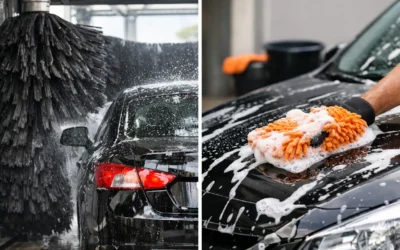
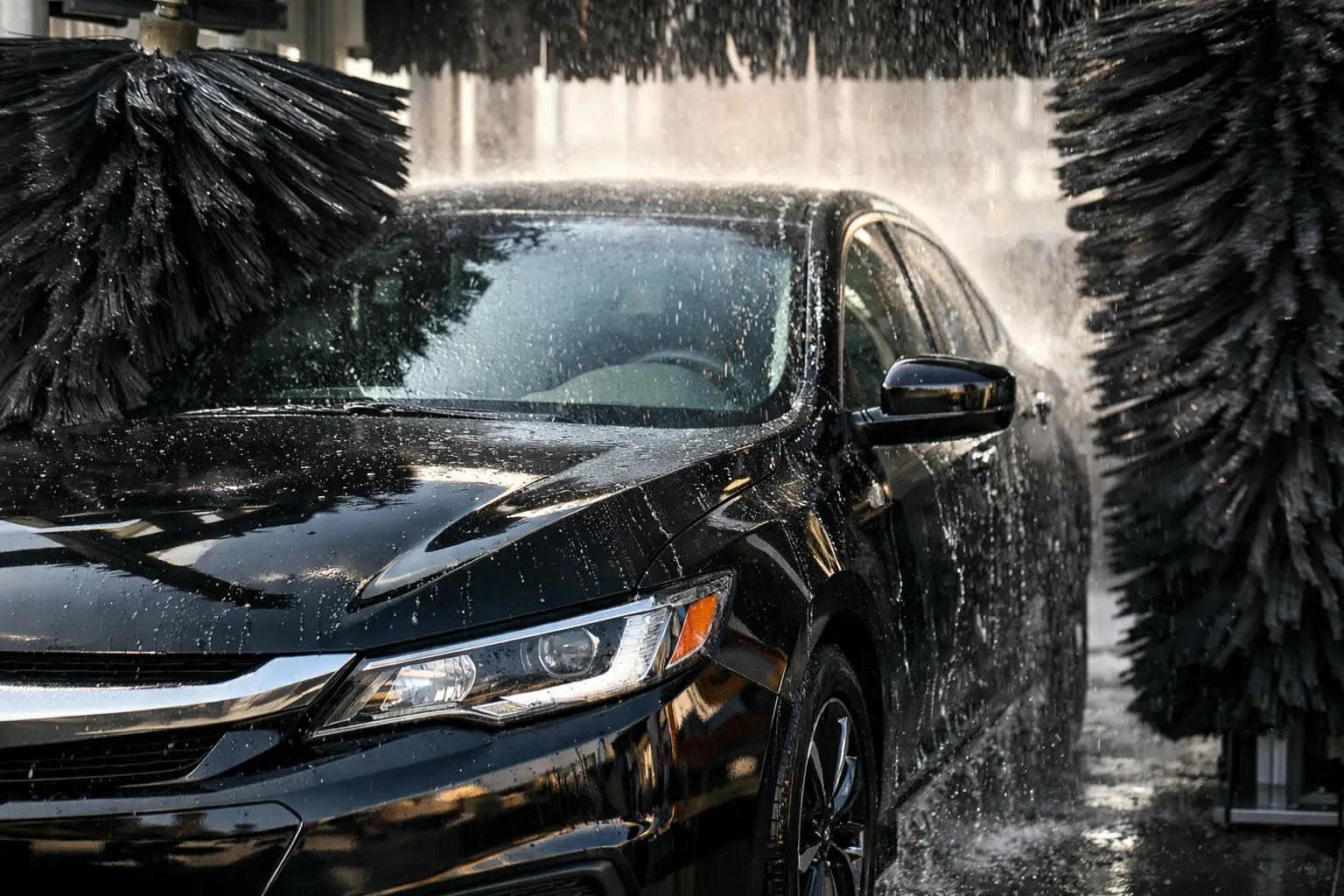
Many drivers remember older car washes with stiff, abrasive brushes that could feel rough against a vehicle. Modern professional systems are very different. Soft-touch washes typically use foam or cloth materials designed to move gently across the vehicle, while touchless washes rely more heavily on water pressure and cleaning solutions.
A quality soft-touch wash can be very effective because it combines lubrication, controlled contact, and rinsing to remove stuck-on grime. This is particularly useful after wet winter weather, when salty road spray builds up along lower panels, wheel wells, and rocker areas. Touchless washing avoids physical contact with the paint, but it may not remove heavy road film as thoroughly without stronger chemistry or a second pass.
Neither option is automatically better for every vehicle. A properly maintained soft-touch wash offers excellent everyday cleaning, while touchless service can be a good choice for drivers who prefer minimal contact. What matters most is that the wash uses clean, well-maintained materials and appropriate products.
The Real Risk: Dirt, Not Just Brushes
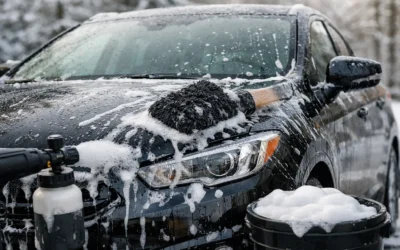
Paint scratches when abrasive particles are dragged across the surface. That can happen at an automatic wash with poorly maintained equipment, but it can also happen in a driveway with a dirty sponge, an old towel, or a bucket full of grit.
Professional wash processes reduce that risk by tackling loose dirt first. A pre-rinse knocks off surface debris. Pre-soak products help break down bugs, salt, pollen, and oily road film. Lubricating soap helps create a buffer between the cleaning material and the paint, followed by thorough rinsing to remove what has been lifted away.
This process is one reason a reputable automatic wash is often safer than a rushed do-it-yourself wash. Reusing a mitt after dropping it on the driveway, wiping dry dust from paint, or drying with a rough towel can create scratches much faster than a properly operated wash tunnel.
What Can Make an Automatic Wash Less Safe?
Automatic washing is not a one-size-fits-all answer. Certain vehicle conditions and aftermarket accessories deserve extra care.
Vehicles with loose trim, damaged mirrors, cracked paint, or unsecured accessories should be inspected before entering a tunnel. If an antenna does not retract or remove easily, follow the location’s guidance. Roof racks, oversized tires, truck accessories, non-factory decals, and aftermarket body components can also affect wash compatibility.
Fresh paint needs special attention. If your vehicle has been repainted or had bodywork completed recently, ask the repair facility how long the finish needs to cure before washing. The answer can vary based on the products and process used.
Some specialty finishes may also have separate care requirements. Matte paint, satin wraps, paint protection film, and certain vinyl graphics can often be washed safely, but they should not be treated exactly like conventional glossy paint. Harsh chemicals, aggressive polishing, and some protectants may not be recommended. When in doubt, follow the manufacturer’s care instructions or ask a knowledgeable wash professional before selecting a service.
Protection Makes Every Wash Work Harder
A wash removes contamination, but protection helps your vehicle stay cleaner between visits. Wax, sealants, ceramic protectants, and water-repellent treatments create a sacrificial layer over the clear coat. Water beads more easily, grime has less opportunity to cling to the surface, and drying can look more even.
That extra protection matters in Maryland’s changing seasons. Spring pollen can coat a vehicle quickly. Summer brings baked-on bugs and tree residue. Fall leaves leave behind organic debris, while winter salt and brine can collect on lower panels and undercarriage components.
For drivers who wash regularly, choosing a package with a protective finish can make practical sense. It is not a replacement for careful driving or occasional deeper detailing, but it helps preserve the clean, polished appearance people want from a routine wash.
Do Underbody Washes Help?
They can, especially during winter. Road salt and brine are designed to melt ice, but they can also cling underneath your vehicle where you do not see them. An underbody wash helps rinse away that buildup from the areas exposed to road spray.
No car wash can reverse existing corrosion or repair damaged parts. Still, regular rinsing is a sensible preventive habit for drivers who commute through winter conditions or travel frequently on treated roads.
How Often Should You Use an Automatic Car Wash?
For most drivers, washing every one to two weeks is a reasonable routine. The right frequency depends on where you park, how much you drive, the weather, and what your vehicle encounters each day.
A vehicle parked outside under trees may need more frequent cleaning due to sap, bird droppings, and pollen. A daily commuter may pick up brake dust, mud, and road film faster than a vehicle used only on weekends. During winter, washing after salt exposure is often more useful than waiting until the car simply looks dirty.
Regular washing is not harmful when the wash is maintained and the vehicle is in normal condition. In fact, letting contaminants sit on paint for weeks can be harder on the finish than washing consistently. Bird droppings, bug residue, tree sap, and road salt are best removed sooner rather than later.
Signs You Have Chosen a Quality Automatic Wash
You do not need to be a car-care expert to make a good choice. Look for a location that appears clean, organized, and professionally staffed. The entry area should provide clear guidance, and the equipment should look cared for rather than worn down or neglected.
A good wash also offers choices. Some days call for a quick exterior clean before a meeting. Other times, your vehicle needs extra protection, tire shine, interior attention, or an underbody rinse after a salty week. The ability to choose the right level of service helps you avoid paying for more than you need while still giving your car the care it deserves.
At Fusion Carwash, that means offering both fast express washing and full-service options for drivers who would rather relax while the details are handled. The goal is simple: clean results, practical protection, and a process you can feel good about using again.
A Few Smart Habits Between Washes
Automatic washes do their best work when drivers avoid the small habits that create unnecessary paint wear. Do not wipe dust, pollen, or mud from dry paint with a shirt sleeve or paper towel. Those particles can act like sandpaper. If a bird dropping or fresh tree sap lands on the vehicle, rinse or remove it gently as soon as possible rather than rubbing hard.
It also helps to keep expectations realistic. A standard wash is designed for regular cleaning and protection, not for correcting years of oxidation, deep scratches, or embedded contamination. If paint already has swirl marks or staining, a detail service or paint correction may be needed to improve the finish.
Your car works hard through every Frederick season. Choose a well-maintained automatic wash, select protection that fits your driving habits, and let regular care keep the miles from showing more than they need to.