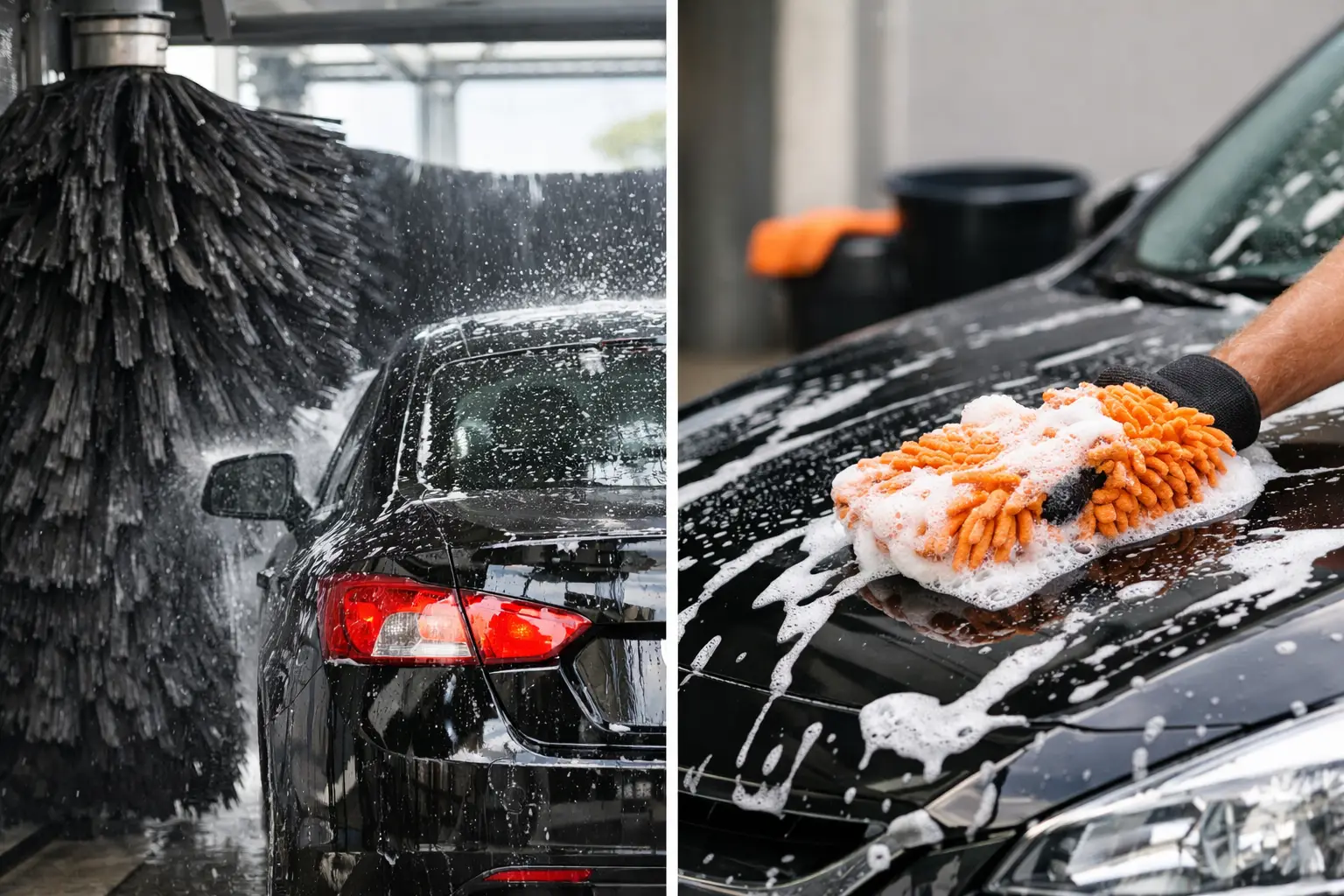
A car can look clean after either a quick tunnel wash or an afternoon with a bucket and mitt. The real difference in automatic versus hand carwashing is not simply whether a machine or a person does the work. It is about how often you wash, what your vehicle faces each week, how much time you have, and whether you want the interior handled too.
For Frederick drivers, that choice often gets harder after a stretch of rain, pollen season, construction dust, or salty winter roads. A good wash should remove the mess without turning car care into another chore on your weekend.
Automatic Versus Hand Carwashing: The Real Differences
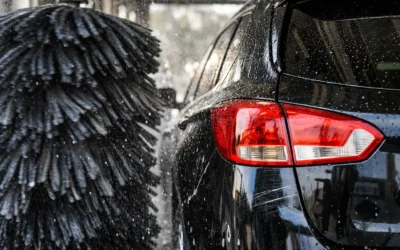
Automatic carwashing is built for consistency and speed. You pull in, the wash process does the work, and you drive away with a cleaner vehicle in minutes. Modern professional washes use controlled wash chemistry, measured water pressure, and equipment designed to clean exterior surfaces efficiently. Many also include options such as tire shine, underbody cleaning, wax, sealants, ceramic protection, and water-repellent treatments.
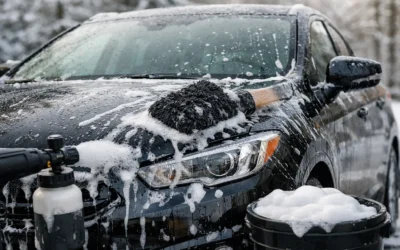
Hand washing is a more personal process. It gives someone the chance to slow down, work around specific trouble spots, and use care on areas that may need extra attention. Done well, hand washing can provide a detailed finish, especially on vehicles with intricate wheels, heavy buildup, or delicate exterior features.
But the phrase “done well” matters. A careful hand wash requires clean tools, the right soap, frequent rinsing, safe drying towels, and enough time to do the job correctly. Washing with an old sponge, dish soap, or a bucket of gritty water can leave behind swirl marks or strip protection just as easily as any poorly maintained wash method.
When an Automatic Wash Makes the Most Sense
For most commuters, families, and busy households, a professional automatic wash is the practical choice because it makes regular washing easy. That matters more than many drivers realize. Dirt, road film, bird droppings, tree sap, pollen, and winter salt are easier to remove when they have not been sitting on the paint for weeks.
An automatic wash is especially useful when your vehicle needs frequent maintenance rather than a once-in-a-while reset. If you drive daily through Frederick, Urbana, Linganore, Middletown, or Adamstown, your car picks up more than visible dust. Road grime collects along the rocker panels, wheels, wheel wells, and lower body panels. An underbody wash can be particularly valuable during and after winter weather, when salt and brine can cling underneath the vehicle.
The other advantage is predictable results. A quality wash package applies the same process every visit, so you do not need to buy supplies, fill buckets, manage runoff, or spend your Saturday drying the car. For drivers who wash often, an unlimited monthly plan can also make frequent exterior care more affordable and convenient.
Express washing works well when speed is the priority. You can get the exterior cleaned, use free vacuums to refresh the cabin on your schedule, and get back to your day. It is a smart fit for the parent between errands, the commuter heading home, or anyone who wants a clean vehicle without giving up an hour.
Where Hand Washing Has an Advantage
Hand washing earns its reputation when a vehicle needs close attention. Someone washing by hand can spend extra time on bug residue, brake dust, door jambs, intricate wheels, and stubborn spots that may not release in one standard wash cycle. It is also useful for a collector vehicle, a vehicle with unusual modifications, or a finish that requires a highly specialized approach.
A hand wash can be a good choice when the priority is detailed inspection. The person washing the vehicle is physically close to every panel and can spot issues such as paint chips, scratches, loose trim, or stubborn contaminants. That level of attention is difficult to match with a basic exterior wash alone.
Still, hand washing is not automatically gentler. The safest hand wash uses proper lubrication, clean microfiber towels or wash mitts, separate tools for wheels, and a careful drying process. Skipping those steps can drag dirt across the paint. A rushed driveway wash may look satisfying at first, but it can leave water spots, missed areas, and a finish that does not have lasting protection.
Paint Safety Depends on Process, Not Just Method
The question most car-conscious drivers ask is simple: Which option is safer for my paint? The honest answer is that it depends on the quality of the process.
A reputable automatic wash should maintain its equipment, use vehicle-safe products, and move cars through a consistent cleaning sequence. Soft-touch materials and well-managed wash chemistry are very different from old-fashioned assumptions about harsh brushes. On the other hand, a hand wash performed with dirty tools or harsh household cleaners can create problems fast.
Protection also changes the equation. Wax, sealants, and ceramic protection help make it harder for dirt and water to cling to the exterior. Water-repellent treatments can improve visibility in wet weather by helping water shed from glass. These services do not make a vehicle maintenance-free, but they can help preserve shine and make future washes easier.
If your vehicle has specialty paint, a matte finish, fresh paintwork, damaged clear coat, or aftermarket accessories with special care requirements, ask about the best washing approach first. The right answer may be different for a daily-driven SUV than it is for a weekend sports car.
Consider the Interior, Too
Automatic versus hand carwashing is often framed as an exterior-only decision, but drivers experience the inside of their vehicle every day. A clean exterior looks great in the driveway, yet crumbs in the seats, dust on the dash, and dirty floor mats can make the whole vehicle feel neglected.
This is where full-service carwashing offers a different kind of value. Instead of splitting the work between a tunnel wash, a vacuum, and your own cleaning supplies, you can have interior and exterior attention handled in one visit. Add-on steam detailing can be a helpful option for drivers who want a deeper refresh in high-touch areas or around the details that regular vacuuming does not address.
At Fusion Carwash, the choice is designed to stay flexible. Full-service options fit drivers who want to relax while the details are handled, while express washing gives busy customers a fast, polished exterior with self-service vacuum convenience.
How Often Should You Wash Your Car?
For a daily driver, washing every two to four weeks is a reasonable starting point. During pollen season, after snow and road treatments, or following extended rainy weather, more frequent washes can make sense. The goal is not perfection. It is keeping contaminants from building up long enough to become harder on your vehicle’s appearance.
If your car is garage-kept and driven lightly, you may wash less often. If it is parked outside, carries kids and pets, travels rural roads, or faces a long daily commute, it may need more regular care. A monthly membership is usually most useful for drivers who prefer a clean car week after week rather than waiting until the vehicle looks overdue.
Choose the Wash That Fits Your Life
Choose automatic washing when convenience, consistency, and regular protection are your main goals. It is the better fit for most daily drivers, especially when time is limited and you want to keep road grime, pollen, and seasonal mess under control.
Choose hand washing when your vehicle needs unusually detailed attention, has special exterior requirements, or you genuinely enjoy doing the work with the right tools and techniques. There is value in a careful hand wash, but it asks more from you than a bucket and a free afternoon.
The best car wash is the one you will use often enough to protect your vehicle and enjoy driving it. Whether you choose a quick express visit or full-service attention, regular care keeps the shine visible, the cabin more comfortable, and the next drive feeling a little better.